Sakshi Jain
22 Sept 2026 4 min read
THE CLASSICAL PERIOD: ARISTOTLE AND RATIONAL TELEOLOGY
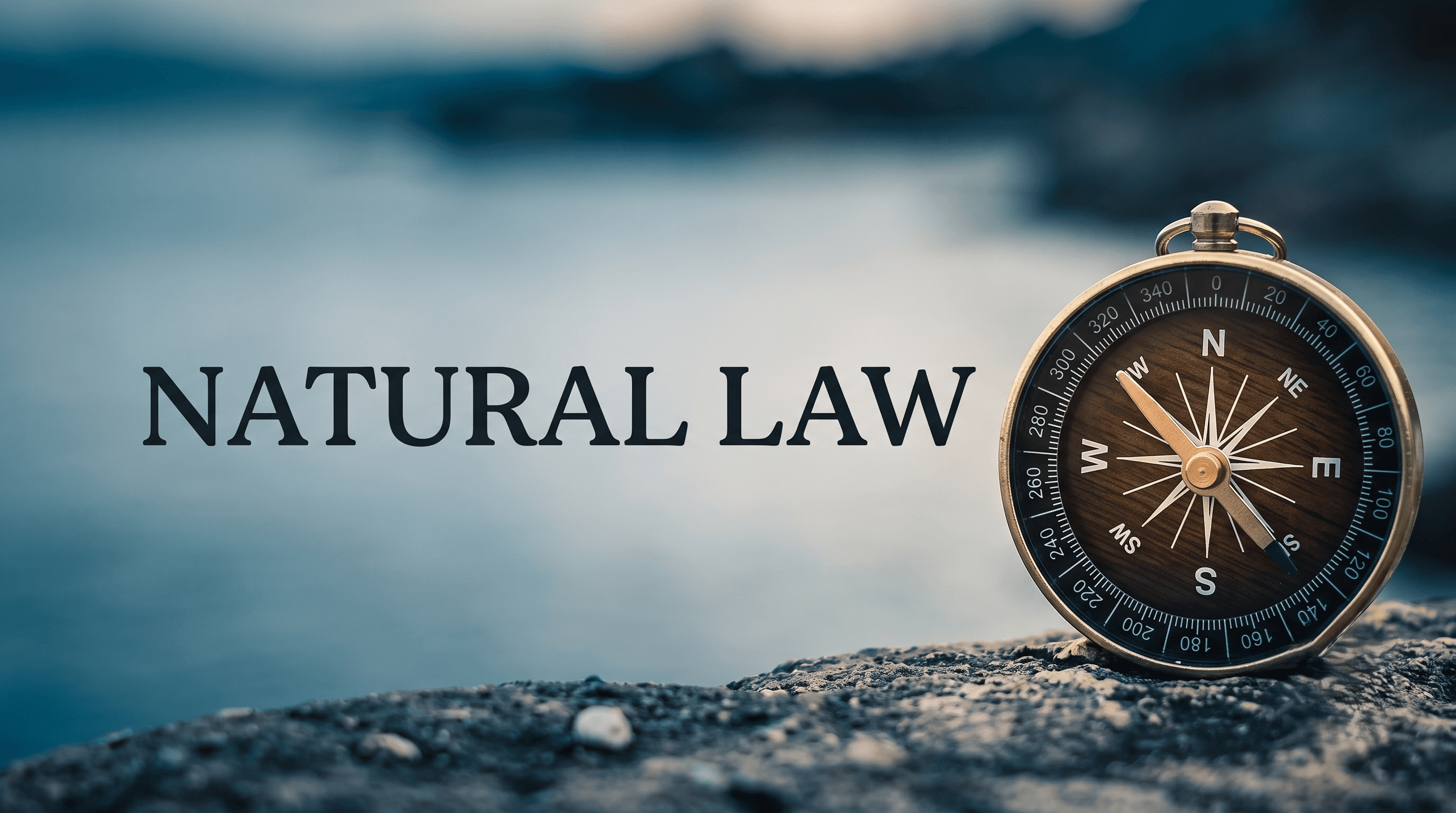
Origin of the concept of natural law dates back to ancient Greece, which is where Aristotle was awarded the title of father of natural law due to his work on this theory. His theory was deeply associated with both ethical and political philosophy because he mainly discussed the concept of justice as well as the purpose of human existence. The most important aspect of Aristotle's theory is his theory of telos, which states that everything in nature has its purpose. In case of human beings, the ultimate purpose of human life is eudaimonia.
For Aristotle, natural law is something universal and unchanging and applicable to everyone irrespective of the culture and era. Natural law differs from positive man-made laws which differ from one jurisdiction to another. Natural law is constant since it is based on human nature and the order of the universe. This is because people are basically rational animals. The faculty used to determine the natural justice is reason. Living by the natural law involves using reason for virtuous living.
THE MEDIEVAL PERIOD: THOMAS AQUINAS AND THEOLOGICAL SYNTHESIS
Thomas Aquinas was the one who took the natural law theory into an entirely different stage of development during the medieval age by marrying the philosophy of Aristotle to the Christian faith and thereby making an organized hierarchy of law. The foundation of his hierarchy is laid on the idea of Eternal Law, which is nothing but the timeless wisdom of God that regulates everything in the universe. As humans are also a part of this structure, they have what is known as Natural Law, i.e., the ability of people to exercise the reason that God has given them to differentiate between right and wrong. In the proposed model, Aquinas divided Natural Law into Primary Precepts, which are unchanging and universal commands such as preservation of human life, teaching of children, living in society, and seeking the truth, and Secondary Precepts, which translate the former into practical commands. The link between the philosophy and the decisions made by people is through conscience in which moral reason is employed in making decisions. The creation of human law by Thomas Aquinas in the broader concept of universal morality has formed the basis of philosophical discussion about human rights and ethics.
THE MODERN PERIOD: HUGO GROTIUS AND THE SECULAR SOCIAL CONTRACT
In the process of moving into the modern times, natural law jurisprudence witnessed a great change through social contract theory and secularism. The social contract theory emerged from the fact that people moved from the state of nature to society through mutual agreements. As such, the social contract theory gave natural law the role of protecting individual rights and duties. This was pioneered by Hugo Grotius (1583-1645), who was regarded as the father of international law as it is known today. Natural law, according to Grotius, is the basis of the social contract, ensuring that sovereign power is always legitimate, limited, and protective of personal freedom. Most important of all, Grotius was instrumental in the secularization of the subject matter when he said that natural law shall always be valid even "etiamsi daremus non esse Deum" (even if we assume that God does not exist).
Grotius expanded his theories not only to the state but also to the international relations arena where he wrote On the Law of War and Peace in 1625. Grotius formulated the Just War Theory comprehensively based on natural law, giving strict grounds for going to war like defending oneself and protecting one’s basic rights, while at the same time formulating rules of war.
THE CONTEMPORARY SIGNIFICANCE OF NATURAL LAW
The development of natural law throughout history can be said to be that of man's quest to bring state laws into conformity with values that transcend politics. From the teleological view of Aristotle to the divine approach of Thomas Aquinas and the secular approach of Hugo Grotius to international law, the concept of natural law has continued to act as an ethical yardstick. This is important in that contemporary legal systems are not assessed purely on their legality but reasonableness and justice as well.
Sakshi Jain
NMIMS School of Law, Bengaluru
Sign in to join the discussion.

The law can protect property, enforce obligations, and provide remedies for legal wrongs. But it cannot force someone to love another person. A promise may begin in the heart, but only certain promises can find their way into the courtroom. Perhaps that is where the law wisely draws its line: it can regulate the legal consequences of love, but it cannot regulate love itself.

The digital arrest scam may seem specific. Its impact is much broader. It exposes gaps in our systems. It shows how easily trust can be broken when fake voices sound official. It reminds us that real justice must keep pace with new forms of crime.