Blog
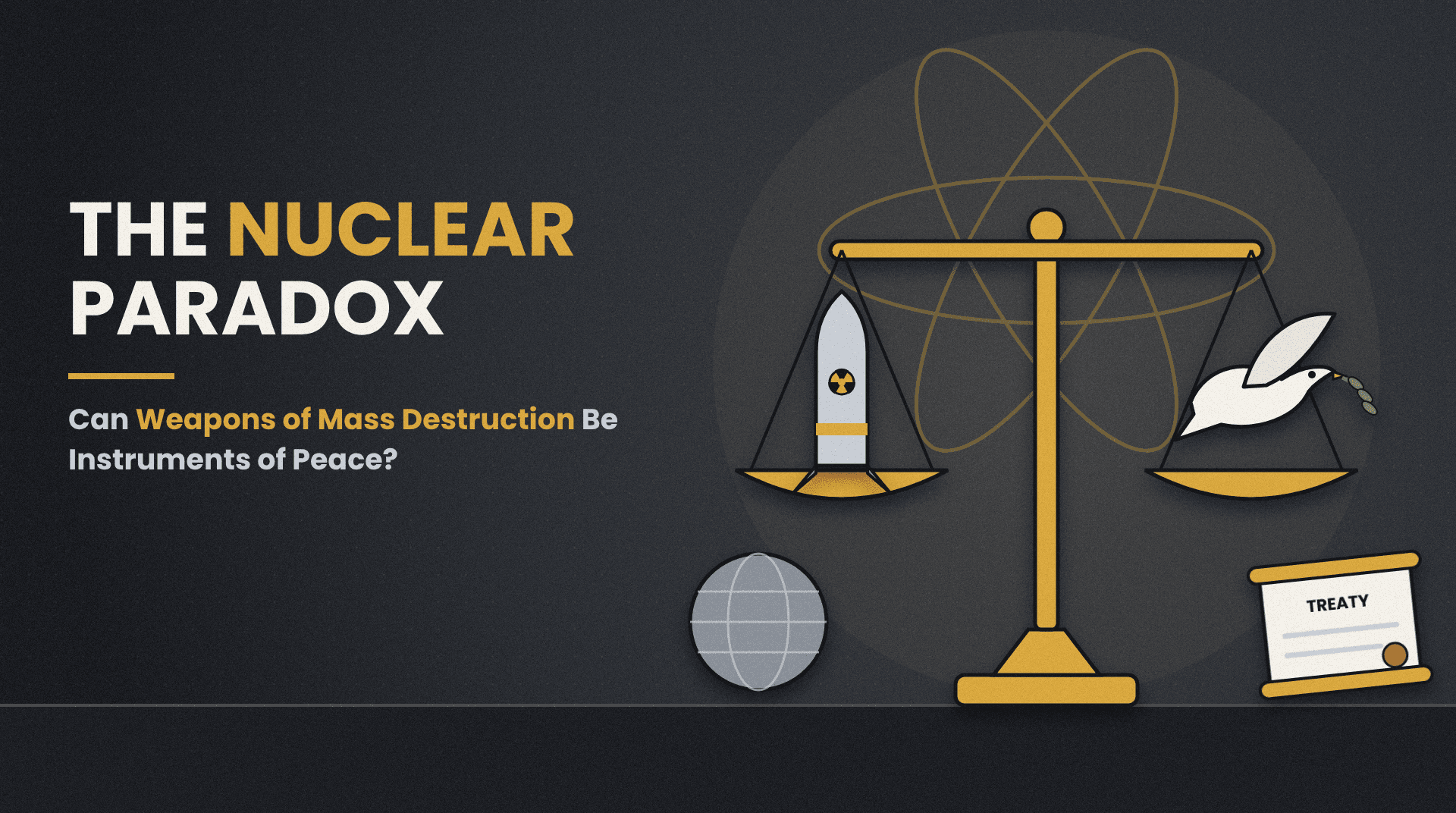
In this article, I'll make the case that deterrence lives on more because it leaves a space around it than because the law calls for it. The true fault lies elsewhere: and that is the promise to disarm that is never enforced.

In India the practice survives as khatna or khafz, performed mostly on six- and seven-year-old girls in the Dawoodi Bohra community. There is no official data on it: the government told the Supreme Court that no official data supported the practice’s existence
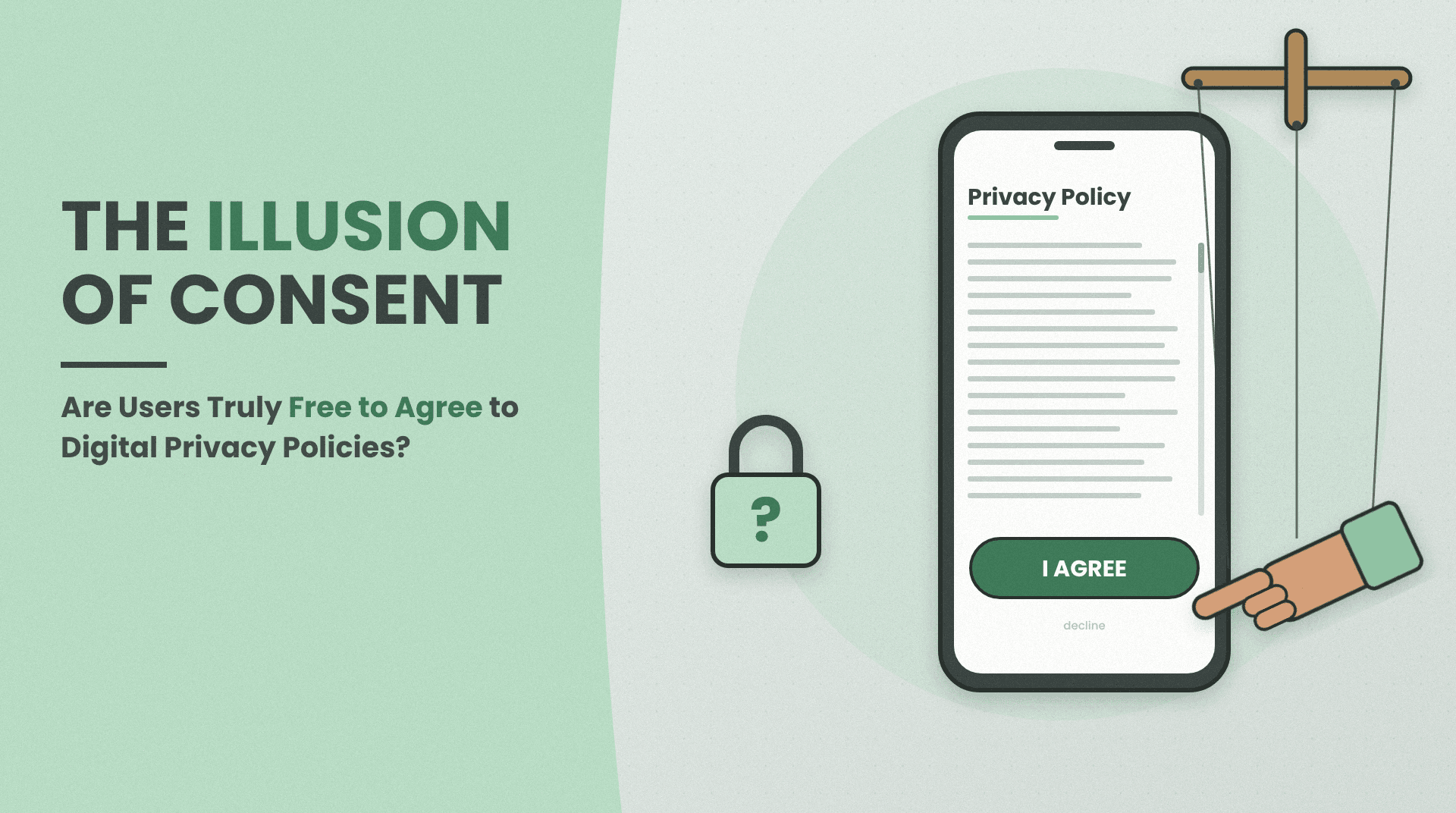
Consent should be judged by whether a person understood what they agreed to, not by whether a click was logged. Until the law asks that question, “I Agree” will stay closer to ritual than choice.
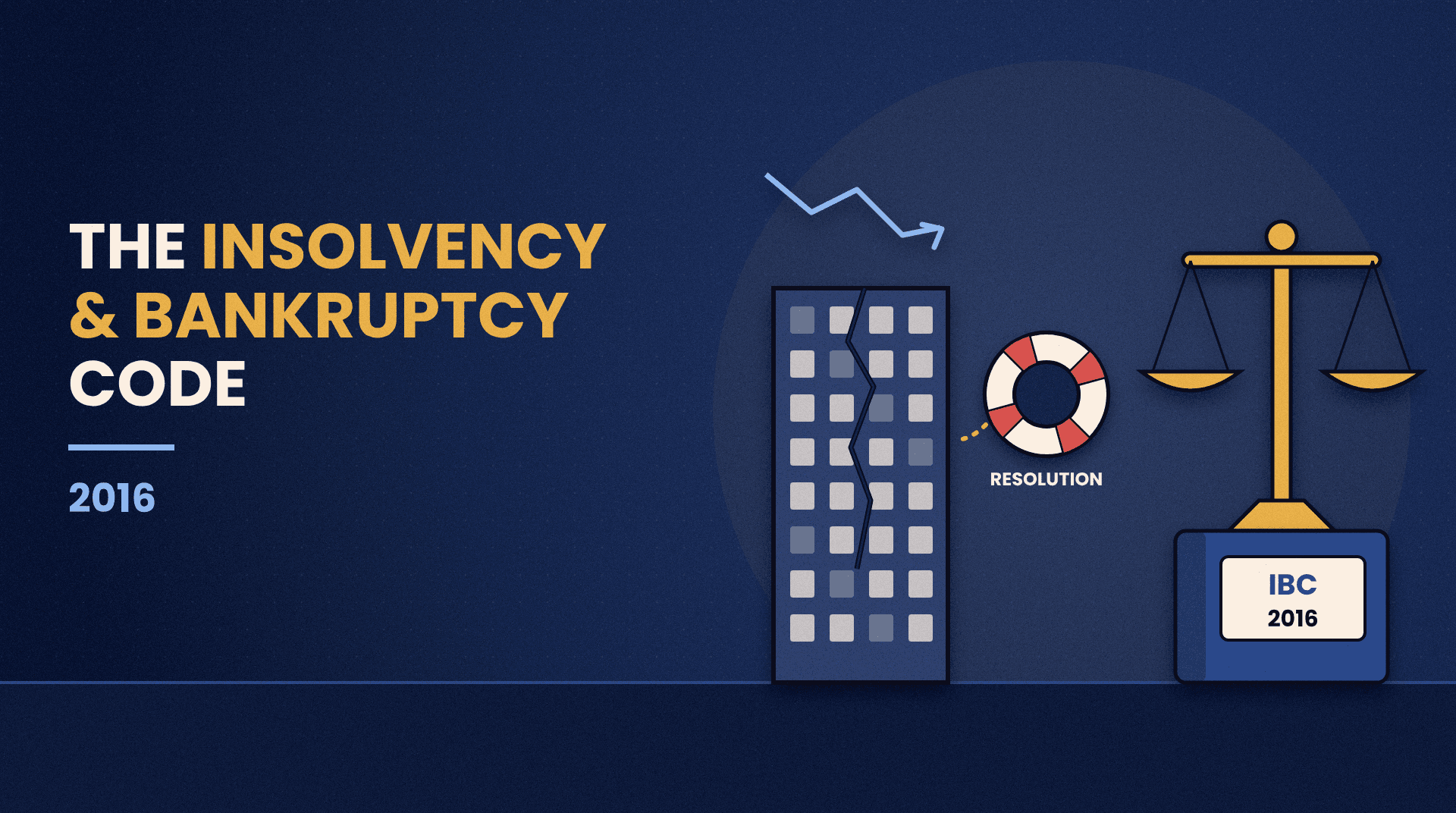
This paper argues that the amendment is itself an admission that "conditional" creditor primacy was never a fixed statutory feature and that even this correction has not settled the boundary so much as relocated it, leaving several open-ended questions.
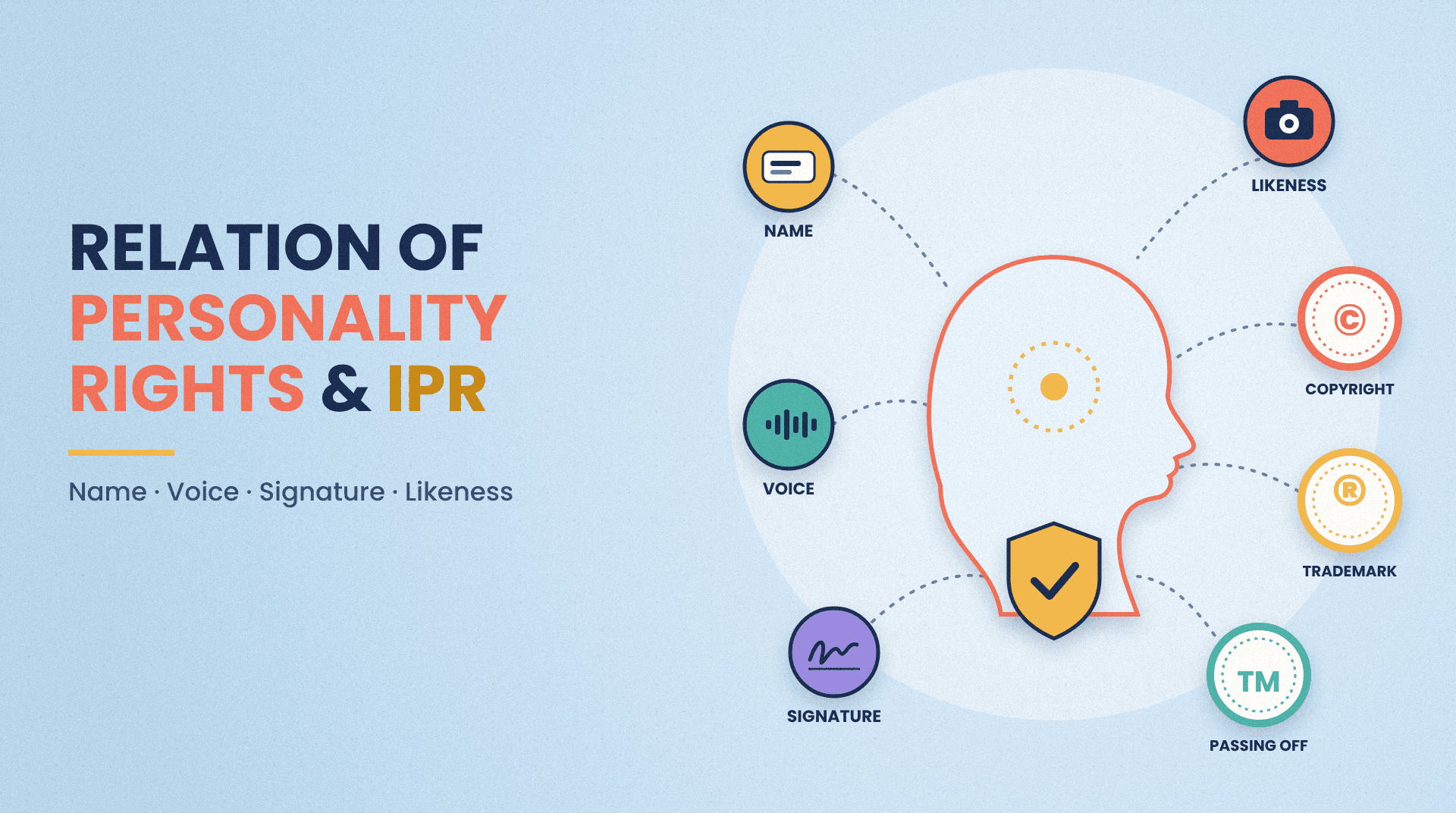
Recently, Kangana Ranaut, a famous Indian actress and a Member of Parliament from Himachal Pradesh, filed a suit seeking protection of her personality rights, where the court ordered META to take down AI images impersonating her and all other Fake images, fake audios, etc related to her.
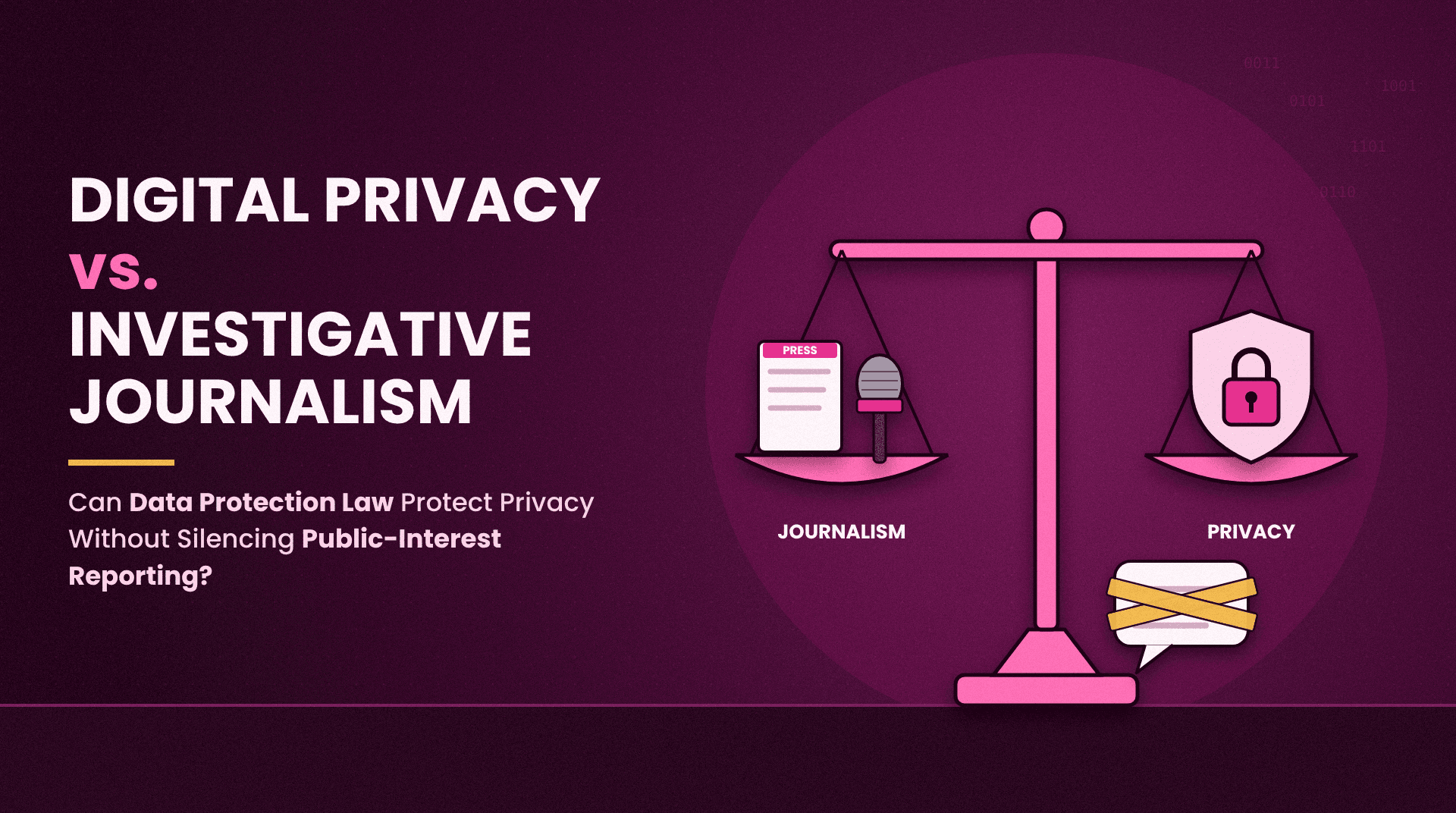
Data protection law should protect the person whose records leak in a breach. It should not shield the official whose decisions appear in the story about that breach.
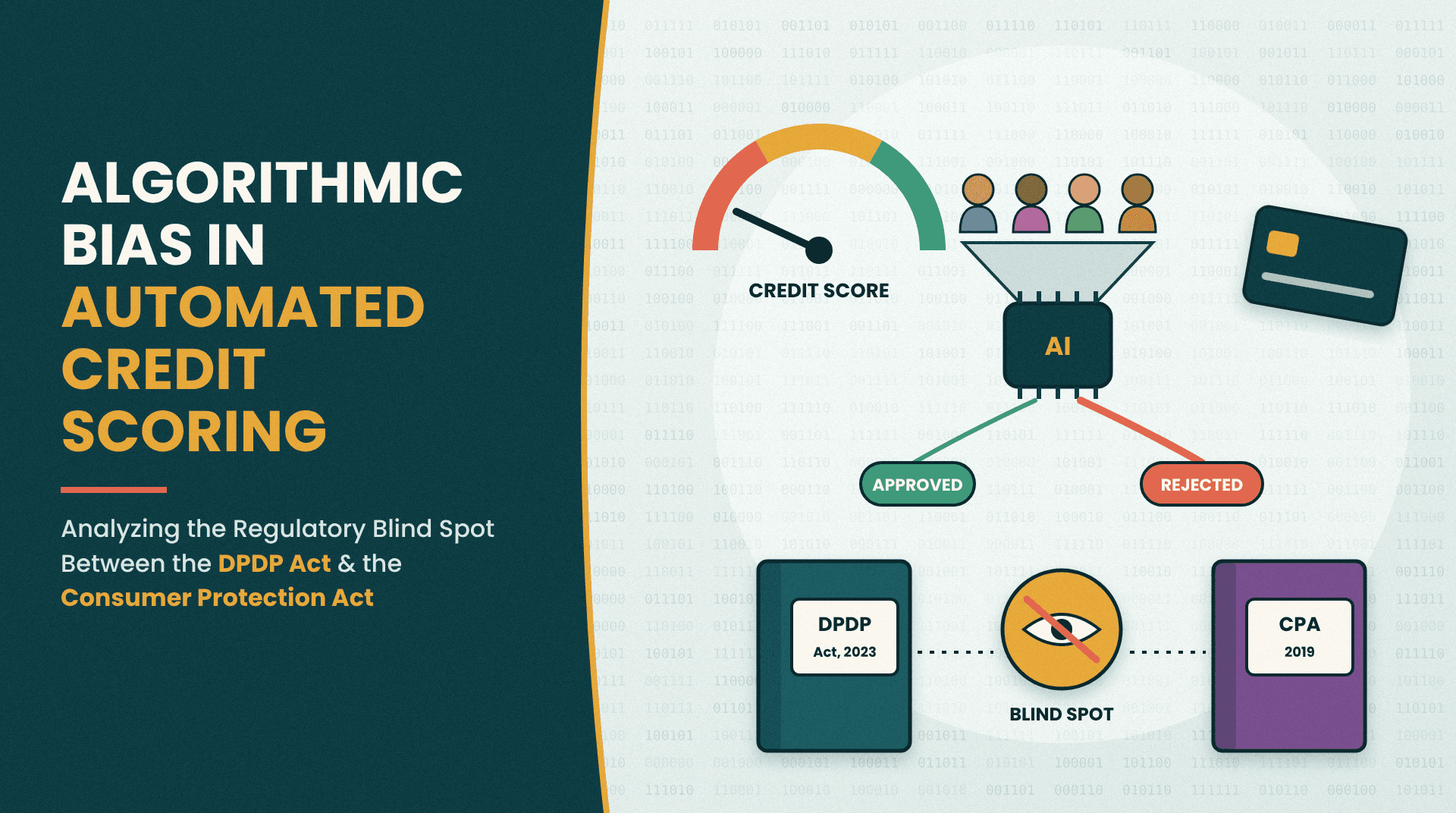
While this invention implies enormous opportunities for financial inclusion and productivity, it also comes with a harmful and unnoticed systemic risk: algorithmic bias. AI models - especially the "black box" kind of algorithm embed socio-economic inequalities of the past into a system that would almost certainly solidify discrimination at the behest of math.

In Indian M&A that account is incomplete. Diligence is armour with a blade turned inward: the law punishes the buyer who does not look, and the contract often punishes the buyer who does.
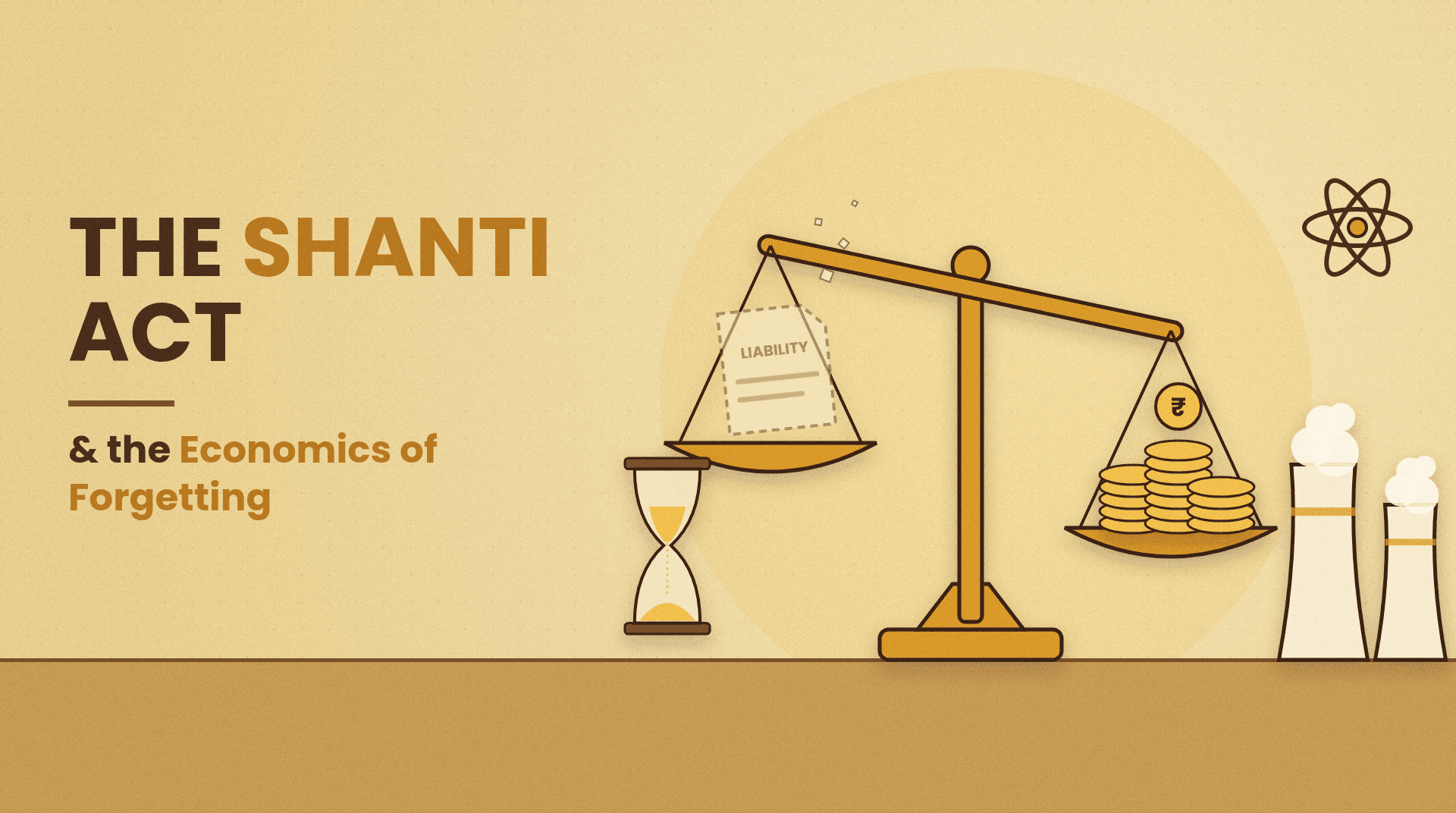
What India added, through Section 17(b), was something narrower and deliberate: the operator's statutory right to recover from a supplier whose defective equipment or services caused the accident.
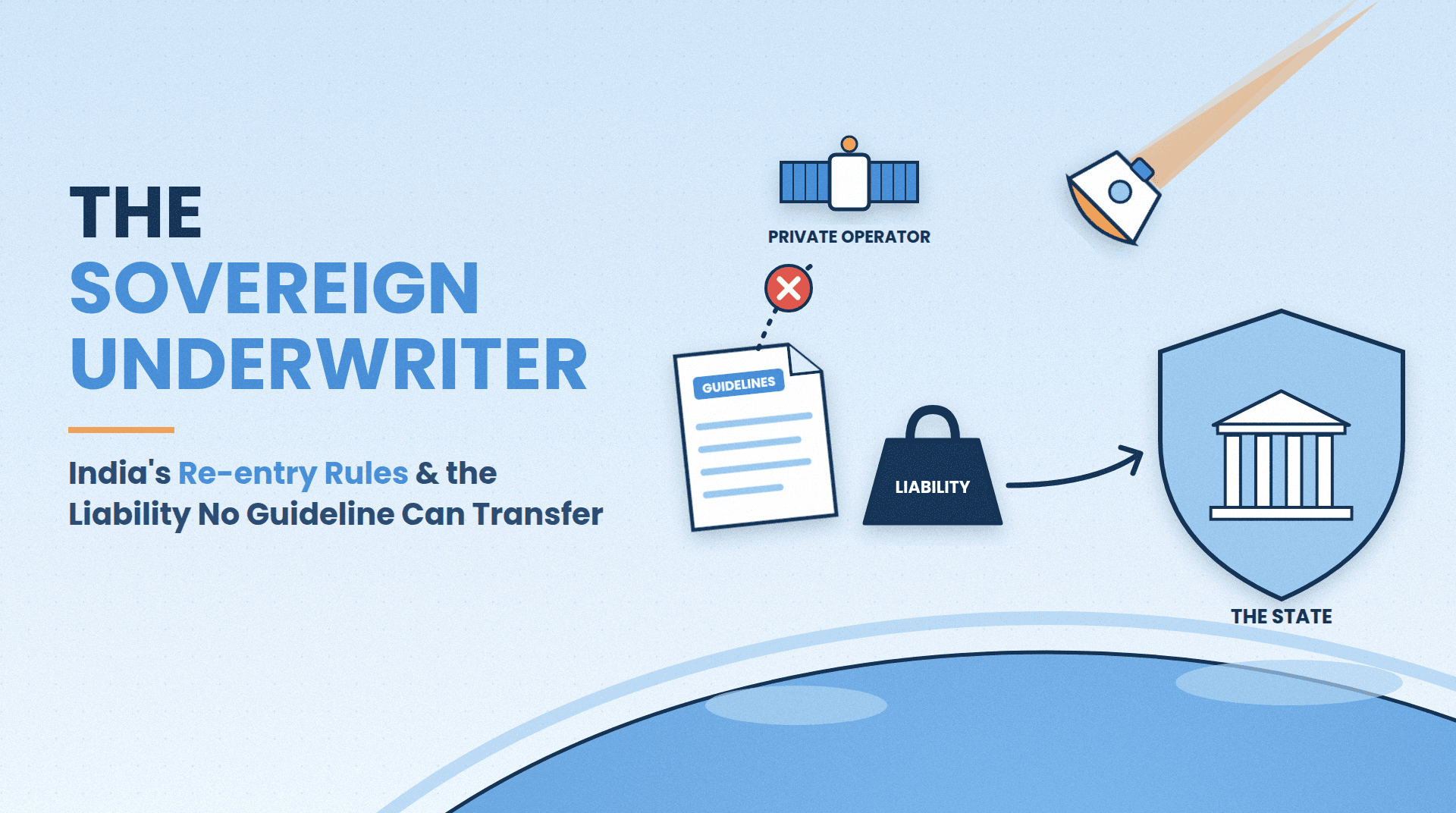
India has converted a sovereign treaty obligation into a private indemnity without a statute to carry it, and the seams show in three places: before international claimants, before Indian citizens, and inside the risk number on which the whole scheme rests.
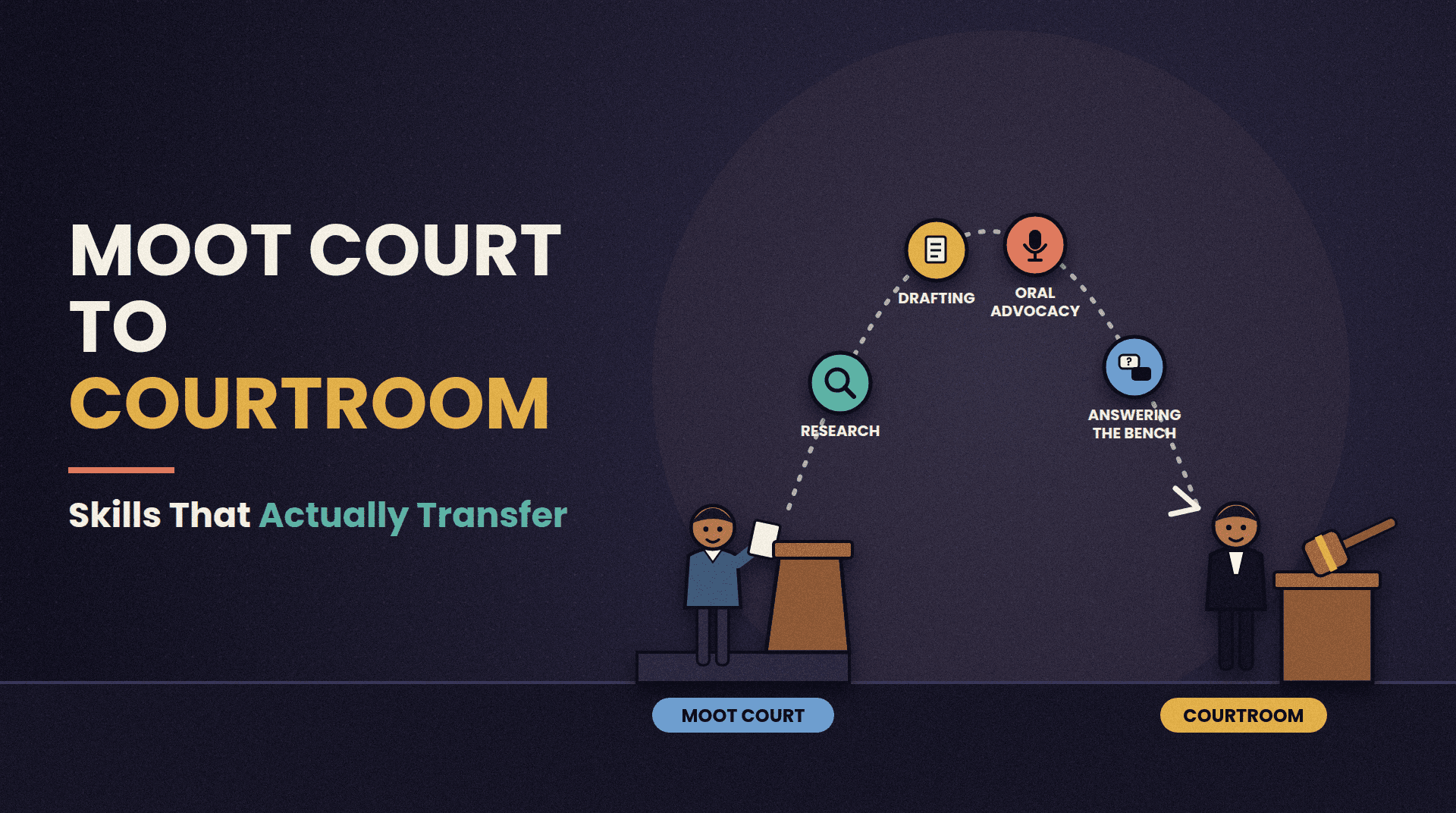
Moots reward elaborate memorials, rhetorical flourishes and exhaustive citation. Courts often do not. Real drafting values short, clear pleadings over decorative language. Courtroom advocacy is also less theatrical; credibility built over years matters more than a polished speech. Moots also skip the unglamorous side of practice: client interviews, procedural compliance, filing defects, limitation, and the patience that repeated adjournments demand.
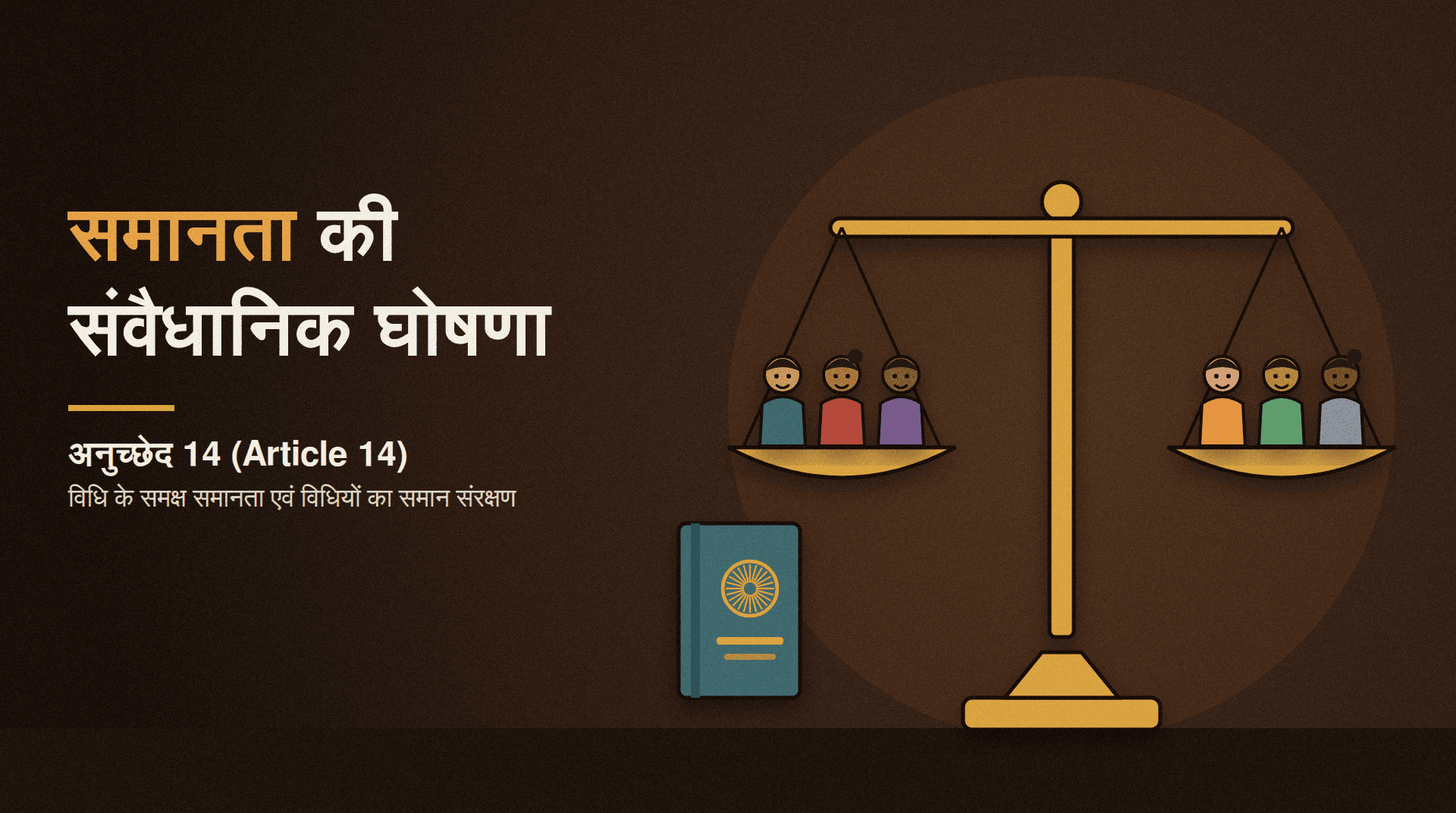
समानता का अधिकार केवल किताबों में सजाने के लिए नहीं है। यदि भारत को एक वास्तविक लोक कल्याणकारी राज्य बनाना है, तो हमें 'प्रशासनिक सामंतवाद' का अंत करना होगा और अधिकारियों को मिलने वाले हर एक विशेषाधिकार का हिसाब उनकी जन-सेवा में सफलता के आधार पर तय करना होगा।