Shubhangi Sinha
3 Nov 2026 4 min read
Introduction
Recently, Kangana Ranaut, a famous Indian actress and a Member of Parliament from Himachal Pradesh, filed a suit seeking protection of her personality rights, where the court ordered META to take down AI images impersonating her and all other Fake images, fake audios , etc related to her. The court had ordered this in order to protect the personality rights of Kangana Ranaut.
In today's times when an image can easily become a meme, a voice can be copied using artificial intelligence, and identity of a celebrity can be sold within minutes, the need to protect one’s identity has become quite crucial.
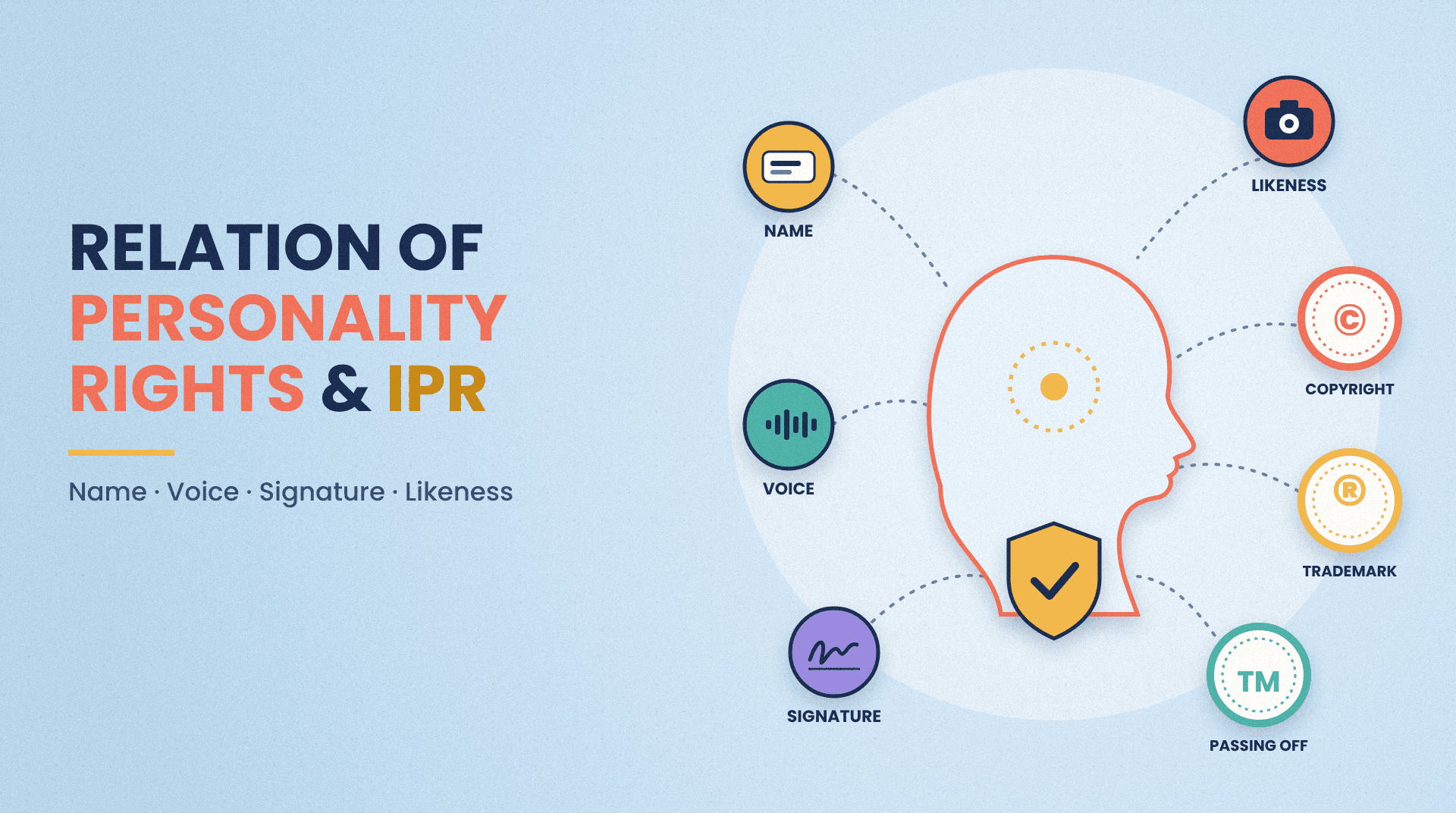
So What Is Personality Rights And How Is A Part Of Intellectual Property Rights?
Personality rights generally originates from the ideas of privacy rights and the rights of publicity. Article 21 includes right to privacy of every indian citizen and any violation of the same violates the basic fundamental right of the person. On the other hand Right of publicity is from preventing the misuse of someone’s persona.
Personality rights can be defined as The right of publicity (also known as personality rights) is the legal right of an individual to control and profit from the commercial use of their name, image, likeness, voice, signature, or other recognizable aspects of their identity. Issues related to personality rights have become very important from a legal perspective where IPR, right to privacy, and dignity to live become intertwined.
It is the legal rights of an individual to control the commercial exploitation of their identity and protect themselves against certain unauthorised uses of their personal attributes.
Personality rights and intellectual property rights go hand in hand; however, they are not synonymous. The traditional concept of intellectual property rights involves the protection of human’s creative products, such as literary and artistic works, inventions, designs, and unique commercial symbols. On the other hand, personality rights involve the protection of one’s personality.
In right R. Rajagopal v. State of Tamil Nadu (1994), the first landmark judgement relating to personality rights was made. In this case, the Supreme Court dealt with the right to privacy in relation to the right of publication and its constitutional importance.
In the case of between Amitabh Bachchan v Rajat Nagi (2022), decided in 2022, in which the Delhi High Court awarded interim protection from the unauthorized usage of the name, picture, voice, and other distinguishing characteristics of Mr. Amitabh Bachchan. In more recent times, this issue of personality and publicity rights came up in the case of Ankur Warikoo v John Doe and Others (2025). This case indicates that cases involving personality rights have gone beyond the entertainment industry and now may involve digital creators and even online educators whose personalities are misused for commercial purposes.
AI And Personality Rights
Advancements in generative AI have made personality rights protection increasingly complicated. The use of deepfakes allows the recreation of an individual's facial features, voice, and expressions with incredible accuracy. Such information can be used to create fictitious endorsements, distribute false information, make misleading advertisements, or generate embarrassing materials. While there might be certain legal provisions that can help deal with misuse in some specific cases, the enforcement of such provisions is difficult due to the fast spread of such information on various online platforms, difficulty in tracing anonymous sources of information, and the possibility of reposting of removed information.
Personality Rights Versus Right To Expression
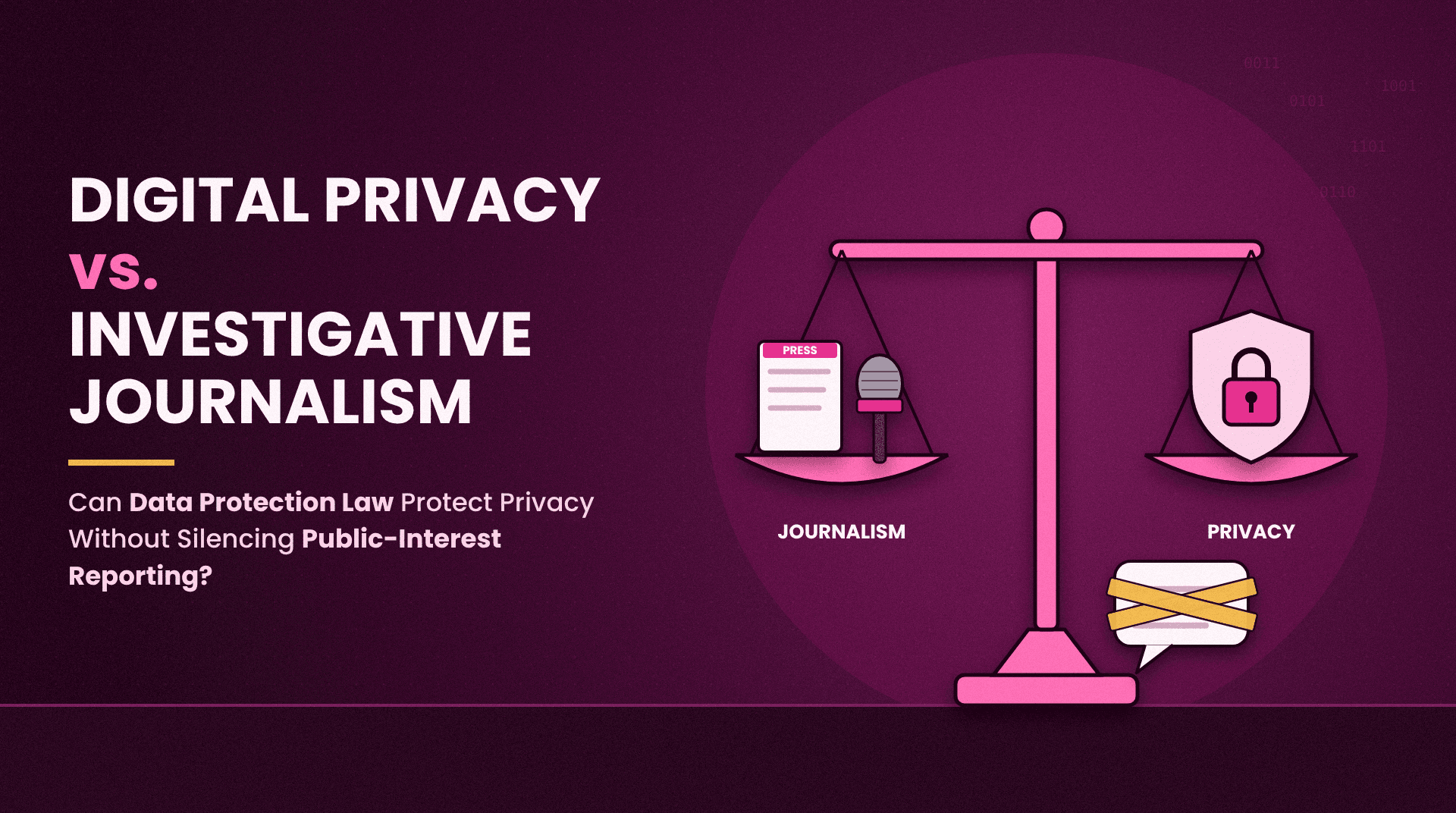
However, personality rights should not be used as a means of curbing free public discussion. There is need for a balance that would uphold both the personality rights and the right to speak and express oneself freely, guaranteed by Constitution of India, Article 19(1)(a) within the constitutional and statutory constraints. It has been consistently held that communicative speech such as news reports, writing, commentary, parody and satire among others is covered by the First Amendment of the Constitution and cannot be subjected to publicity rights claims.
In the case of Tata Sons Ltd v Greenpeace International (2011), the High Court of Delhi declined the injunction on behalf of the corporate petitioner on account of the non-profit organization’s contention that its act was done in furtherance of public interest. In the case, Greenpeace had introduced a Pac-Man video game where the logo of the Tata Company could be seen “eating up” the endangered Olive Ridley turtles. The court held that the act of Greenpeace was in fact done in the public interest.
Conclusion
Personality rights are a vital step forward in terms of intellectual property rights and personal liberty. In the age of technology where identities can be reproduced, altered and even used to make money faster than ever before, protecting personal identity cannot simply be a case of ensuring that people retain their celebrity status; it is much more a question of maintaining respect, reputation and even commercial equity.
It is crucial for the Indian legal system to evolve a method that avoids abuse and yet does not stifle creativity and discussion. The fact of the matter is that no one’s identity can be turned into someone else’s money-making enterprise just because it is now possible to reproduce it through the wonders of technology.
Institute of Law, Nirma University
Sign in to join the discussion.

In India the practice survives as khatna or khafz, performed mostly on six- and seven-year-old girls in the Dawoodi Bohra community. There is no official data on it: the government told the Supreme Court that no official data supported the practice’s existence
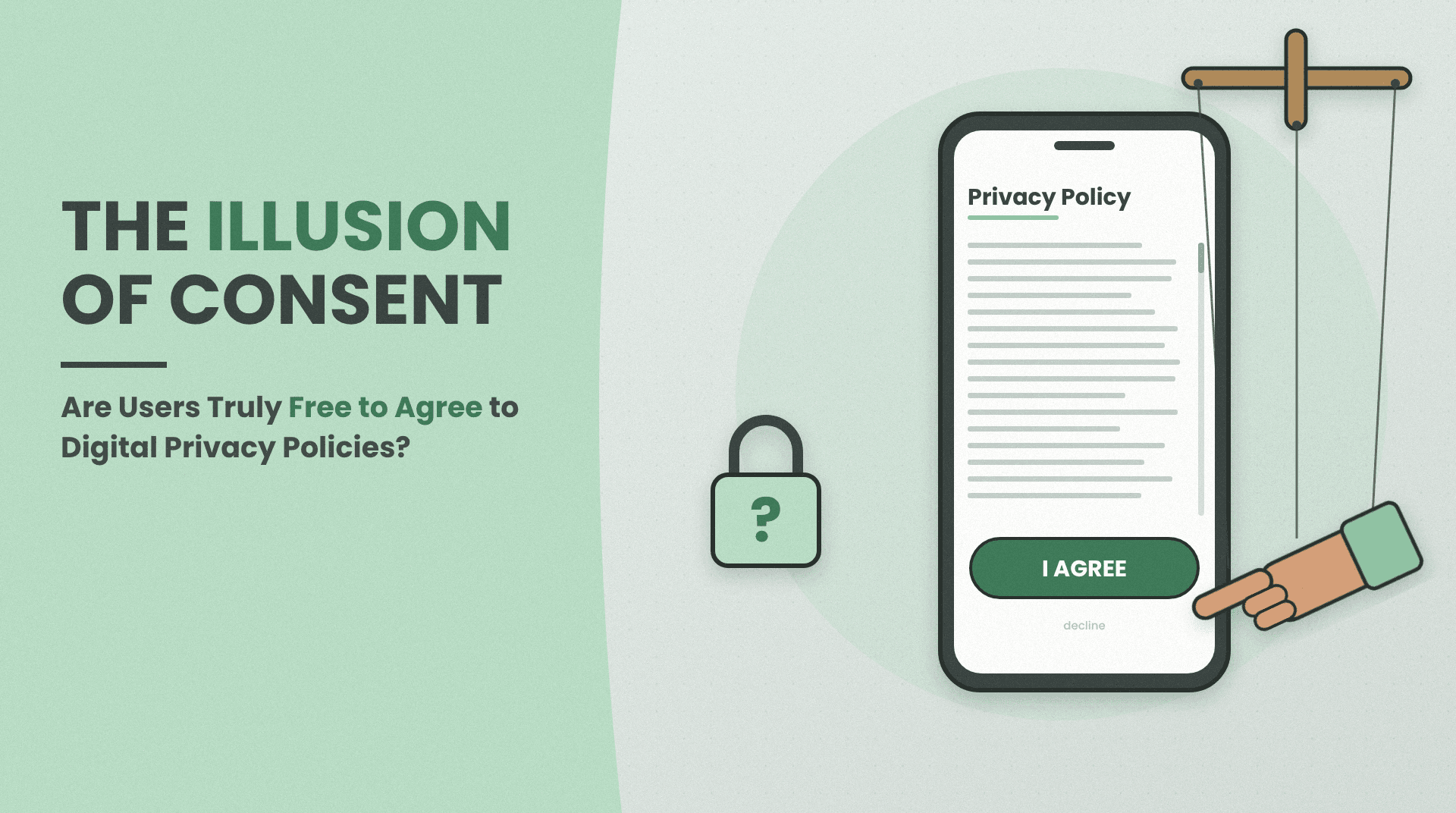
Consent should be judged by whether a person understood what they agreed to, not by whether a click was logged. Until the law asks that question, “I Agree” will stay closer to ritual than choice.