Siya Holkar
1 Oct 2026 5 min read
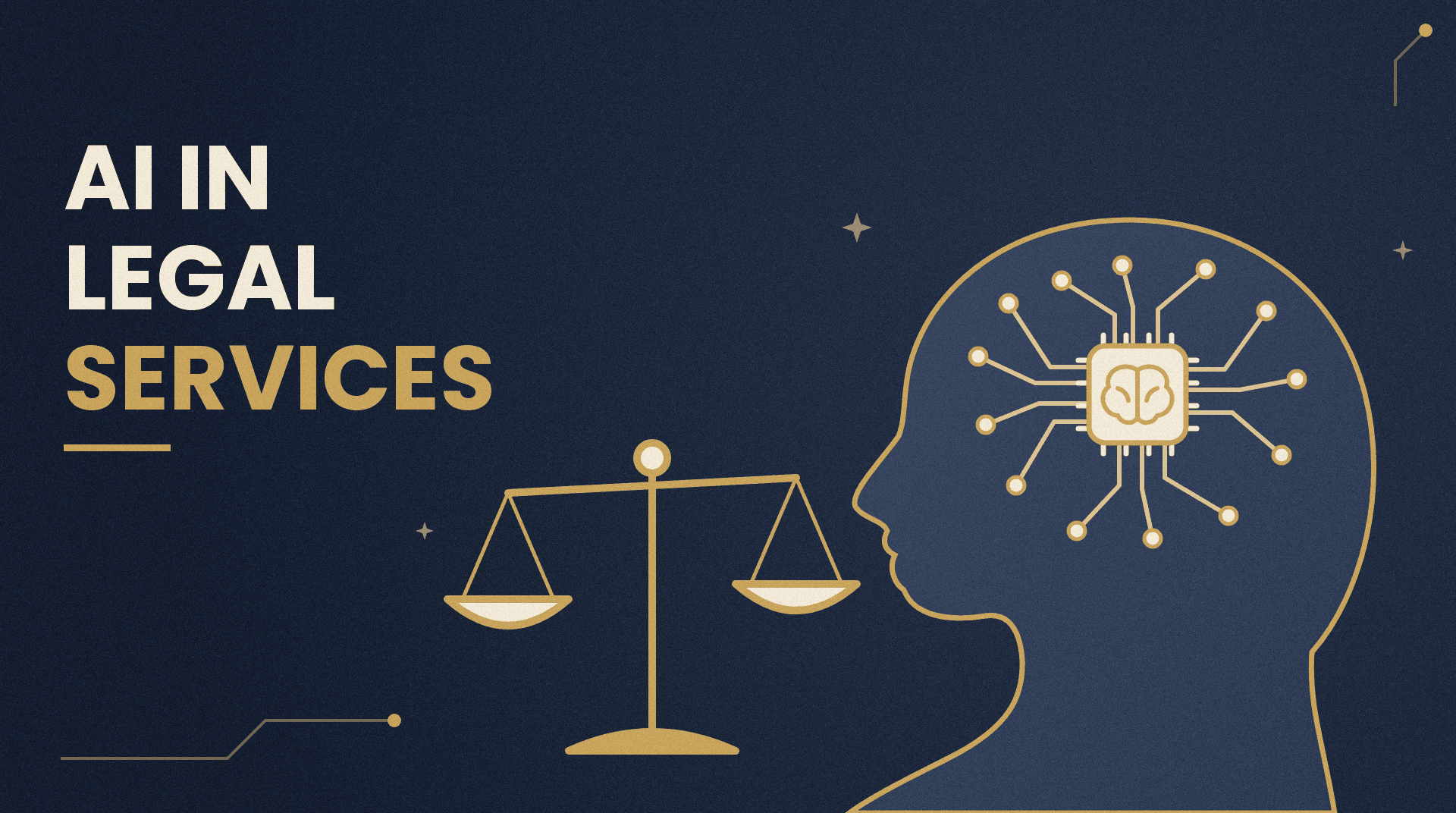
The limitation period is inaccurate. The user is dependent on the answer, fails to meet the correct deadline and incurs a legal loss. This situation raises a challenging question: when artificial intelligence offers personalised legal guidance, is it merely offering information? Or is it effectively practicing law without being a lawyer?
Legal Information Is Not Legal Advice
The distinction between legal information and legal advice is crucial. Legal information consists of general principles, such as what a contract is, what consumer rights may exist or what a particular statute generally states. Legal advice applies the law to a person’s specific situation and recommends a course of action. However, AI tends to move very quickly from legal ‘information’ to legal ‘advice’. A user may ask, “What is Section 138 of the Negotiable Instruments Act?” That is mostly a question of legal information. But “My cheque was dishonoured 2 months ago, should I send a notice now?” requires factual evaluation, statutory implementation and a limitation analysis. The system may not know about the presentation of cheque within the correct period, whether the notice was already issued, whether payment was made or whether another proceeding affects the situation. Yet it may produce an affirmative response because generative AI is designed to create fluent responses and not to guarantee legal correctness. Therefore, the problem with generative AI, is not only its potential for mistakes, but also its ability to deliver mistakes in a convincing manner.
The Indian Regulatory Framework
According to the Advocates Act of 1961, advocates are the recognised category of persons who can practise law under Section 29, while Section 33 states that, subject to statutory exceptions, only advocates are entitled to practise before the courts and other authorities. Section 45 also provides for the penalty of illegal practise in courts or before other authorities.
In Bar Council of India v. A.K. Balaji, the Supreme Court held that the ‘practice of law’ means more than just practicing before courts. It includes non-litigation activities such as drafting and legal advice. The Court’s reasoning is important for the AI debate because it recognises that legal practise may occur outside a courtroom. The AI tool does not have any professional status, legal judgment or accountability. It cannot be enrolled with a Bar Council, owe a professional duty in the same way as an advocate or appear before a court. However, a company offering AI technology as a source of personalised legal advice may be performing a function that resembles legal practise. Although the legal position is not yet settled with regards to generative AI, it is unwise to rely on a disclaimer that states, ‘This is not legal advice’. The disclaimer can serve as clarification regarding the nature of the product offered but it cannot overcome misleading marketing or negligence in designing the tool.
The Accountability Gap
The traditional law advisory system works based on accountability. The advocate is bound by his or her professional obligations in terms of competency, confidentiality, conflict of interest and client interest. According to the professional code of conduct laid down by the Bar Council of India, and advocate should maintain client confidence and cannot use his own professional name for unauthorised practice of law.
1.AI systems create a complicated chain of responsibility:
2.The developer creates the core of the model.
3.The platform decides how it will train the system and display the results.
4.Legal tech company can provide a database and some kind of automated document creation tool.
5.A lawyer must approve or supervise the output.
6.The user may independently rely on the answer.
In case of incorrect recommendation, each party involved in the chain tries to pass the responsibility onto someone else. The user might say that it was only a demonstrational system. The platform might say that it was done by the system automatically. The accountability gap is particularly serious for vulnerable users who cannot afford professional legal assistance. AI may improve access to justice, but inaccurate automation can create a cheaper version of legal exclusion.
Confidentiality And Data Protection
Users share extremely sensitive information when interacting with legal chatbots, such as claims of criminal activity, medical details, financials, family disagreements and even private business documents. It is possible that they think the confidentiality of their interaction is as high as that with an advocate. This may not be the case. The provider of AI can retain the prompt, utilise it for system development purposes, send it to the service provider, and even process it somewhere else. It should be noted that advocate-client confidentiality does not extend to a commercial chatbot because of its specific conditions. The easiest way out is obvious: one should refrain from uploading any confidential legal document to the AI system unless it is necessary.
A Better Regulatory Model
An outright ban on AI legal tools will be a futile exercise as AI will help an individual to understand legal jargon, find resources available to them, translate documents, organise facts, and prepare questions for their lawyer. AI will also be of assistance to advocates with legal research and routine documentation if it is validated by a professional. India should therefore embrace a risk-based approach instead of taking all the legal chatbots the same way. Legal Information Generators should clearly state that they are not definitive but only educational in nature. Personalised Advice Generators, Legal Notice Drafters, and Limitation Period Calculators should have higher safety measures in terms of source validation, citations, elevation to qualified legal experts and clear information of uncertainty. Auditing should be done, limitations stated, privacy of the user information should be taken into consideration, and there should be proper channels for reporting of inappropriate or false results. If a tool markets itself as replacement of professional advice, then consumer protection and professional regulation guidelines should prevail. AI should assist users and legal professionals without replacing professional legal judgment. The real issue is not about whether a machine can provide legal answer. It concerns who will be responsible for that answer in case it affects somebody’s rights, property or liberty. Until that question is clear, a chatbot must be considered a legal assistant and not an unlicensed lawyer.
Siya Holkar, BBA LL.B. (Hons.) Student
Symbiosis School of Law, Pune
Sign in to join the discussion.

In India the practice survives as khatna or khafz, performed mostly on six- and seven-year-old girls in the Dawoodi Bohra community. There is no official data on it: the government told the Supreme Court that no official data supported the practice’s existence

Consent should be judged by whether a person understood what they agreed to, not by whether a click was logged. Until the law asks that question, “I Agree” will stay closer to ritual than choice.