Afzaal Hasnain
8 Sept 2026 6 min read
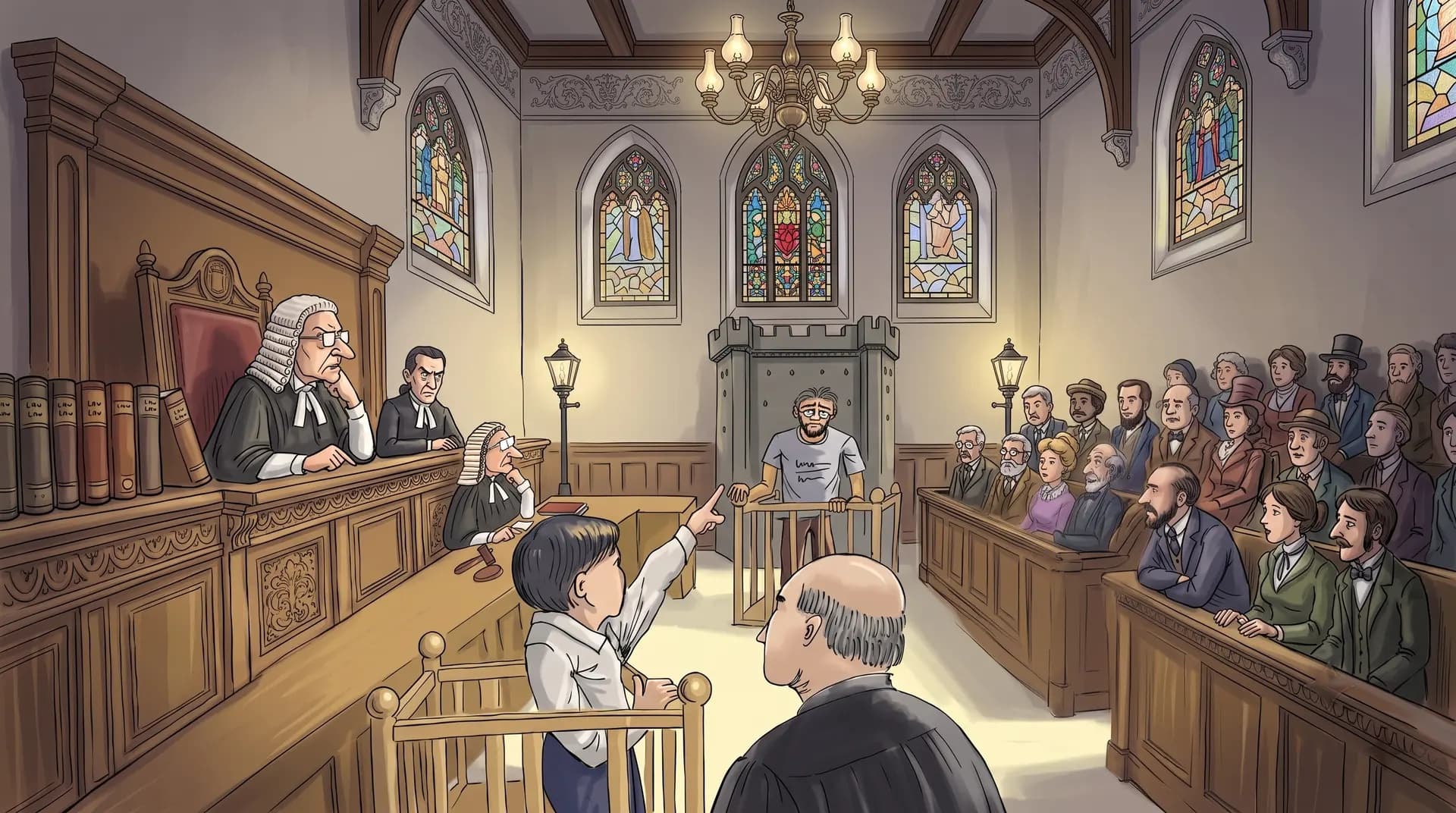
The term " Demagogue " is derived from Greek word Demagogues, the word demos mean the people while agogos means leader or Guide, so Demagogues means leader of the people. Initially, it was not used in negative terms. The concept of demagogue, close to the modern meaning, emerged in Athens - widely considered as the birthplace of the democracy. Thucydides considered Pericles as a persuasive statesman and Cleon as an inflammatory speaker and orator who used rhetoric to maintain political dominance during Athen-Sparta wars in his book History of the Peloponnesian War. Plato was of the view critical to Democracy (direct) because of demagoguery, he said, " Democracy is vulnerable because it can reward persuasive speakers over wise statesmen." In his book The Republic, he explicitly elaborated that democratic disorder paved the way for demagoguery which would, eventually, lead towards Tyranny. Aristotle was also vocal about the fact that the healthy government depended on rule of law rather than unchecked influence of charismatic politicians. Reflecting this historical evolution, Oxford Advanced Learner's Dictionary now defines Modern Demagogue as '' A political leader who tries to win support by using arguments based on emotions rather than reason. "
Demagogues typically emerge under the umbrella of democratic or semi-democratic systems. The question arises why democracies are too vulnerable that they give birth to elected autocrats? There are some factors: Economic Crises, Political polarization, Identity politics, and social media influence in the contemporary era. Economic meltdown leads towards inflation, unemployment, inequality and we know that political equality can't be possible without economic equality. Political polarization fueled by Corruption, weakness of Institutions and portraying your political rivals as enemies or unpatriotic further deepens democratic divisions. Demagogues are very vocal at manipulating emotions on the basis of ethnicity, nationalism and religious Identity. Misinformation, disinformation and conspiracy theories further emboldened their cause. These circumstances pave the way for Demagogues to sabotage democratic institutions and downplay democracy.
There are many methods or techniques through which demagogues consolidate power and become elected autocrats. First of all, they attack their opponents or critics in a harsh term and label them as enemies, terrorists or unpatriotic, as we saw Donald Trump calling some media outlets as enemies of the people. Secondly, demagogues use governmental institutions as a political weapon against opposition, they try to influence, capture or blackmail referees (judges). When these institutions resist, they undermine their independence just like Juan Perón of Argentina targeted judges for impeachment. Thirdly, they endeavor to buy their opponents or political rivals, those who can't be bought off may be weakened by different means, as Malaysian Prime Minister Mahathir Muhammad tried to weaken his leading political rival Anwar Ibrahim through corruption and sodomy charges in the late 1990s.
Fourthly, demagogues try to silence those cultural figures whose popularity or moral standing put forward a risk to their executive power. Fidel Castro of Cuba can be a case study who persecuted writers or artists through illegal means who challenged his government. Fifthly, they rewrite the rules of the game under the pretext of National security, sometimes security crises or external threats are inevitable, but sometimes elected autocrats invent them to legitimate their illegal expansion of executive powers. In Sep 1999, shortly after Vladimir Putin was named Prime Minister of Russia, a series of Bombings happened in Russia by Chechen militants. Putin responded by launching a war on Chechnya. There are lot of controversies about bombings, but what is clear, however, is that Putin's political popularity boosted after bombings. Through these means, demagogues preserve their interests, strengthen their positions, violate fundamental rights, restrict civil liberties and subvert democracies in the world.
Now, question often emerges in our mind that how can we identify those demagogues who weaken democratic institutions. Different analysts have proposed different answers, for example, demagogues appeal to emotions instead of facts, blame a particular group for problems, they make unrealistic promises, they cultivate a personality cult, or they use inflammatory or hateful rhetoric etc. Steven Levitsky and Daniel Ziblatt in their book How Democracies die introduced a litmus test building on eminent Political Scientist John Linz's work to check the authoritarian tendencies in democratically elected politicians. They argued that we should worry about a politician who 1. rejects, in words or actions, the democratic rules of the game, 2. denies the legitimacy of the opponents, 3. tolerates or encourages violence, 4. indicates a willingness to curtail the civil liberties of the opponents, including media. Demagogues or populists, very often, test positive on this litmus test.
Demagogues generally come to power through political processes. Thus, according to Levitsky and Ziblatt, political parties bear the greater responsibility for keeping them out of the political spectrum. Several steps can be taken to keep them aloof for safeguarding democracy. First, keep politicians of authoritarian tendencies off party ballots at election time. Secondly, party establishments should avoid any alliance with anti-democratic parties or candidates. Thirdly, political gatekeeping must isolate extremists. Fourthly, and most importantly, the mainstream political parties must forge a united front against authoritarians if they are serious electoral contenders and pose a huge risk to democracy. Moreover, democracies can't succeed solely through constitutions, but there exist some unwritten rules which are called democratic norms.
Democratic norms include mutual toleration and institutional forbearance. Mutual toleration means considering your political rivals or opponents as legitimate and patriotic to your country as you are and refraining from portraying them as enemies or existential threat. While institutional forbearance means the action of restraining from exercising such a legal right which could imperil the existing political system. For example, British Crown has the authority to nominate Prime Minister from the House of Commons due to unwritten constitution, but usually the majority party nominates its Prime minister. Crown adheres to forbearance for the sake of survival of the democratic landscape. Steven Levitsky and Daniel Ziblatt called these unwritten democratic norms or rules as Guardrails of Democracy.
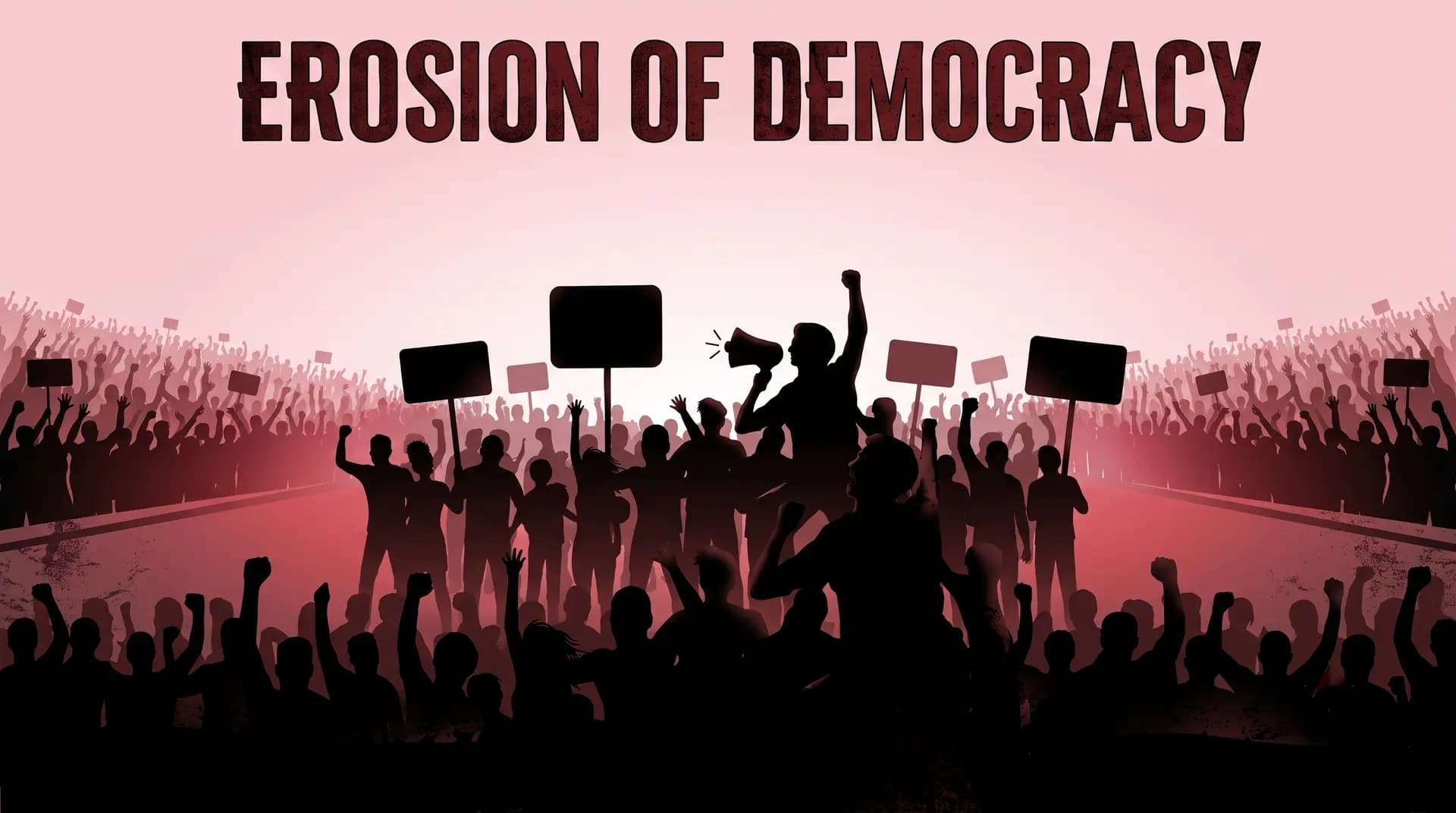
History demonstrates that democracies rarely collapse suddenly, more often, they erode gradually from within at the hands of leaders who attain power through democratic means. Demagogues exploit public fears, deepen social divisions, weaken institutional checks and balances, and undermine the unwritten norms that sustain constitutional government. As Steven Levitsky and Daniel Ziblatt argue, democracy is protected not only by laws but also by the guardrails of mutual toleration and institutional forbearance. The responsibility of defending democracy therefore lies not only with governments but also with political parties, the media, civil society, and informed citizens. Today, however, democratic norms are eroding, the era of political compromise appears fading, many democracies are witnessing democratic backsliding, and political leaders are often becoming demagogues. These circumstances pose a significant challenge to the long-term survival of democracy worldwide.
Afzaal Hasnain
University of the Punjab
Sign in to join the discussion.
Childhood is often regarded as the purest expression of human innocence. Yet the very mind we instinctively associate with innocence is also one still learning how to remember, interpret, and make sense of the world.