Ujjawal Mishra
27 Sept 2026 5 min read

Criminal law plays an important role in maintaining order in society. It identifies offences and provides punishments for conduct considered harmful to individuals and society. For more than 160 years, the Indian Penal Code, 1860 was the principal law dealing with substantive criminal offences in India. During this period, society changed significantly. Technology developed, cybercrime increased and organised criminal activities became more complex. These developments created a need to examine whether the existing criminal law was adequate for present circumstances.
In 2023, Parliament introduced three new criminal laws: the Bharatiya Nyaya Sanhita, 2023, the Bharatiya Nagarik Suraksha Sanhita, 2023 and the Bharatiya Sakshya Adhiniyam, 2023. The BNS deals mainly with offences and punishments, while the other two laws deal with criminal procedure and evidence.The BNS therefore represents an important change in India's criminal justice framework. However, its actual impact will depend on how effectively the law is understood and implemented.
Major Changes under the BNS:
Organised Crime:
One of the significant changes is the recognition of organised crime as a specific offence. The provision covers activities such as contract killing, kidnapping, extortion, trafficking, financial offences and other organised criminal activities. Organised crime can involve groups of persons working together over a period of time. Giving such activities specific recognition under criminal law can help provide a clearer legal framework for dealing with organised criminal networks. At the same time, the provision needs careful application because serious criminal liability should be imposed only when the necessary legal requirements are established.
Terrorism:
The BNS also contains provisions relating to terrorist acts. These provisions deal with activities involving serious threats to national security, public infrastructure and public safety. Because terrorism-related offences can carry serious consequences, their application requires proper investigation and judicial scrutiny. Criminal law must protect society while also respecting constitutional safeguards.
Mob Lynching:
The BNS specifically addresses group-based murder committed on grounds such as race, caste, religion, language or community identity. This is important because mob violence can create serious threats to life and public order. However, legislation alone cannot eliminate such violence. Effective policing, timely investigation and prosecution are also necessary.
Community Service:
Community service is another notable feature of the BNS. It provides an alternative form of punishment for certain minor offences instead of imprisonment. In my view, this reflects a more reformative approach in appropriate cases. However, clear guidelines and proper supervision are necessary so that community service is applied fairly and consistently.
Protection of Women and Children:
The BNS continues important provisions dealing with offences against women and children, including rape, gang rape, sexual harassment, stalking, trafficking and offences against minors. Protection of vulnerable persons is an important responsibility of the criminal justice system. However, punishment alone is not sufficient. Victims also need proper treatment during reporting, investigation and trial. The BNS therefore has to operate alongside other laws, including laws relating to children and criminal procedure. Effective protection will ultimately depend on both the legal framework and its practical implementation.
Cybercrime and Technology:
Modern crime is increasingly connected with digital technology, online communication and electronic transactions. The IPC was enacted at a time when computers and the internet did not exist in their present form. BNS operates alongside the Information Technology Act, 2000 and the Bharatiya Sakshya Adhiniyam, 2023 in dealing with the wider legal issues surrounding technology and electronic evidence. One practical challenge is investigation. Digital crimes may require specialised knowledge, forensic laboratories and cooperation between different agencies. Therefore, technological development within the criminal justice system is as important as legislative reform.
Constitutional Perspective:
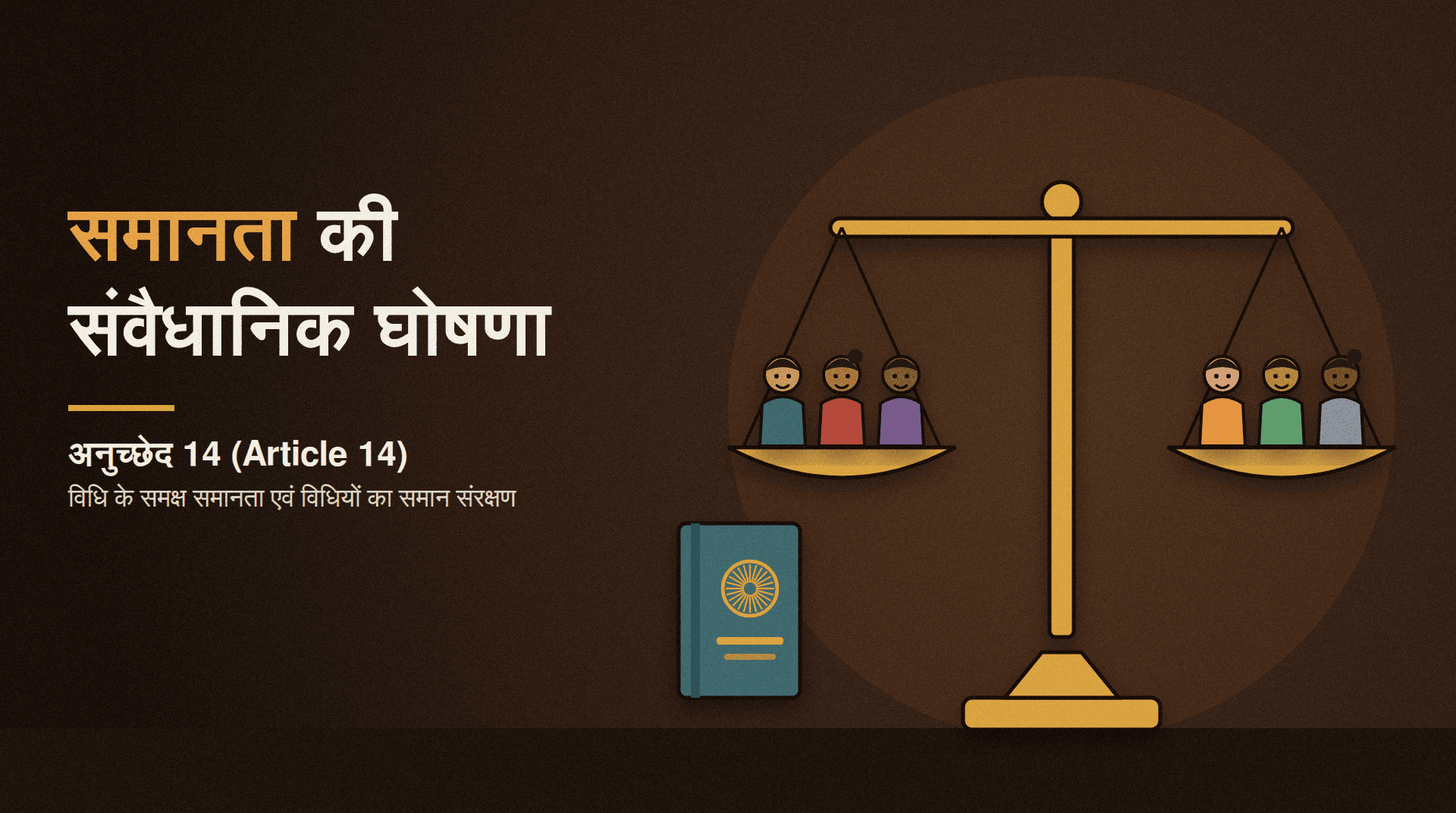
The BNS must operate within the Constitution of India. Articles 14, 19 and 21 are particularly relevant to criminal law.Article 14 requires equality before law and equal protection of laws. Therefore, criminal provisions should not be applied arbitrarily or discriminatorily. Article 19 protects important freedoms, including freedom of speech and expression. Provisions affecting expression and public order therefore require careful interpretation. Article 21 protects life and personal liberty. Arrest, investigation and trial must follow principles of fairness and due process. The presumption of innocence and the right to a fair trial are also important parts of criminal justice.
Impact and Challenges of Implementation:
The BNS works together with the BNSS and BSA, meaning that its impact extends beyond simply defining offences and punishments. The new framework also places importance on scientific investigation, digital documentation and forensic methods. However, implementation may present several challenges. Police officers, prosecutors, judges and lawyers need proper training regarding the new provisions. India also faces issues relating to judicial vacancies, case backlogs, forensic capacity and cybercrime expertise. Community service will also require clear rules regarding eligibility, supervision and monitoring.
Therefore, replacing the IPC with the BNS is only the beginning. The success of the new law will depend considerably on the institutions responsible for implementing it.
Suggestions:
For effective implementation of the BNS:
1. Police officers, prosecutors and judges should receive regular training.
2. Forensic and digital investigation facilities should be strengthened.
3. Clear guidelines should be developed for community service.
4. Judicial capacity and case-management systems should be improved.
5. The implementation of criminal provisions should remain consistent with Articles 14, 19 and 21.
6. Public awareness about the new criminal laws should be increased.
These measures can help reduce the gap between the law on paper and its practical application.
The Bharatiya Nyaya Sanhita, 2023 marks an important change in India's substantive criminal law. It introduces specific provisions concerning organised crime, terrorism and mob lynching and also provides community service as a form of punishment for certain offences. It continues important protections relating to women and children. However, the success of the BNS cannot be determined only by the number of new provisions it contains. Its real impact will depend on police investigation, forensic infrastructure, judicial interpretation, professional training and respect for constitutional safeguards.
Author: Ujjawal Mishra
Balasaheb Thackeray Law College, Taloja, Navi Mumbai, Maharashtra
Sign in to join the discussion.
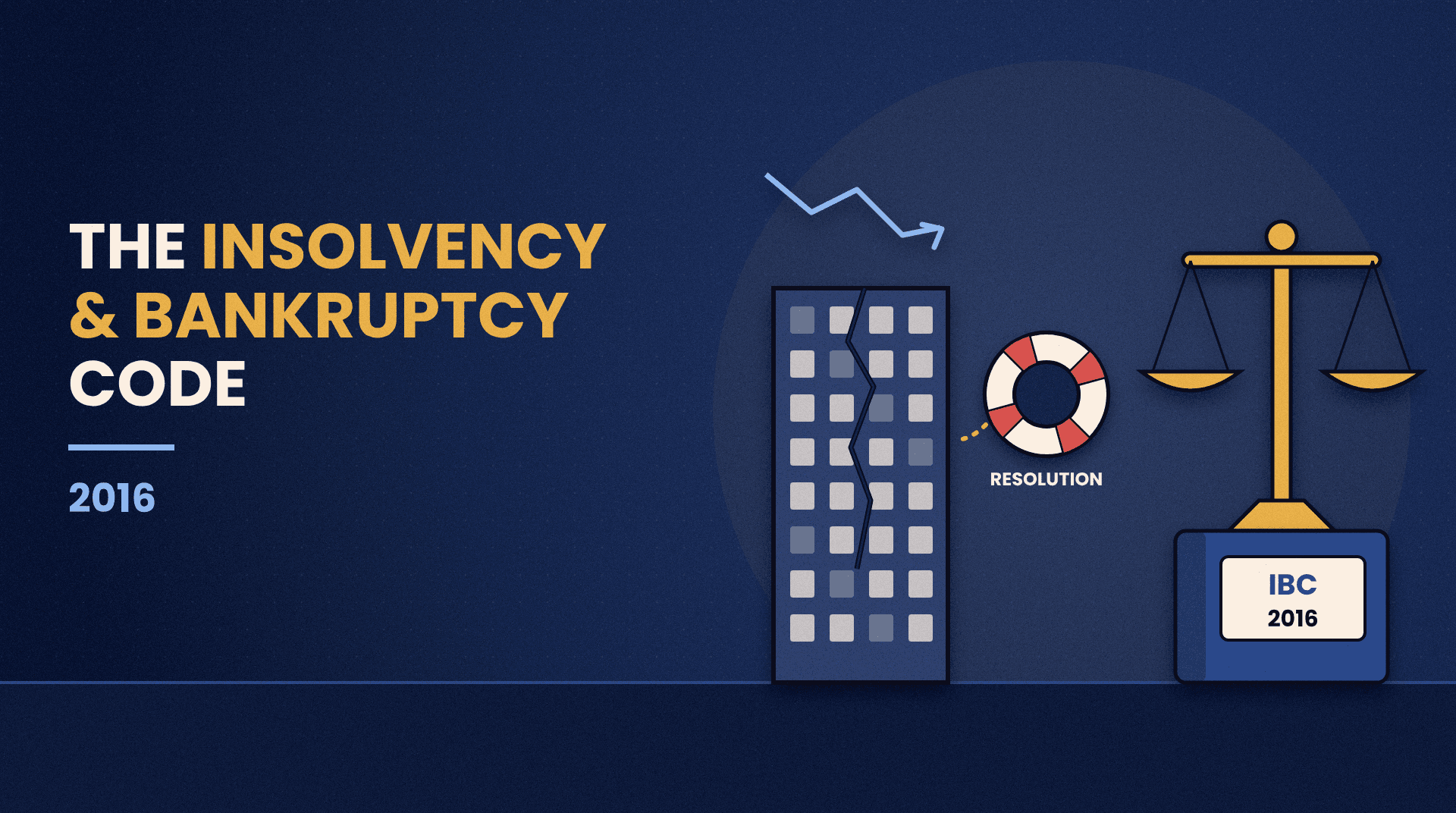
This paper argues that the amendment is itself an admission that "conditional" creditor primacy was never a fixed statutory feature and that even this correction has not settled the boundary so much as relocated it, leaving several open-ended questions.

Moots reward elaborate memorials, rhetorical flourishes and exhaustive citation. Courts often do not. Real drafting values short, clear pleadings over decorative language. Courtroom advocacy is also less theatrical; credibility built over years matters more than a polished speech. Moots also skip the unglamorous side of practice: client interviews, procedural compliance, filing defects, limitation, and the patience that repeated adjournments demand.