Anam Khan
12 Oct 2026 4 min read
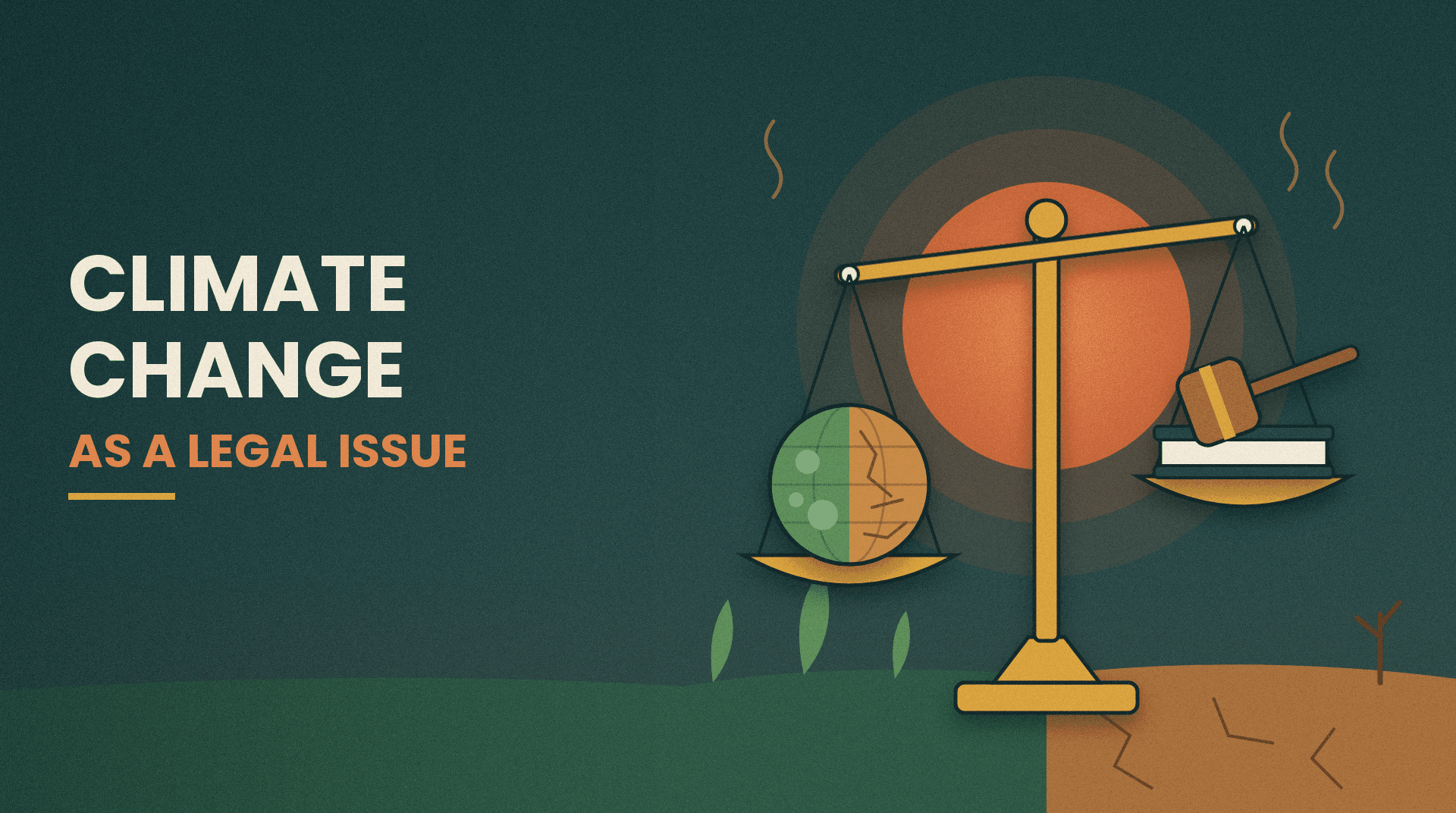
Imagine a farmer who sows his crop right after the first monsoon rains, just as his family has done for generations. This year, the rain vanishes for weeks. When it finally returns, it comes all at once, washing his seedlings away. He has no real insurance and zero savings to lean on. He isn’t thinking about global carbon targets or international treaties. He only knows that his livelihood has become completely unpredictable, and no one seems answerable for it. His situation points to a question that Indian courts are facing more and more: when state climate policy falls short, can the judiciary step in to protect vulnerable citizens? Indian courts have a long history of aggressive environmental activism. Yet, climate change is far more complex than a standard localized pollution dispute. While judges are excellent at interpreting constitutional rights and reviewing state actions, they aren't equipped to design long-term climate policies that require deep scientific data, economic modeling, and administrative oversight. The Supreme Court’s 2024 ruling in M.K. Ranjitsinh v. Union of India perfectly captures this delicate institutional balancing act.
How the Right to Life Turned Into a Right to Climate Safety
India’s Constitution does not explicitly guarantee a fundamental right to a healthy environment. Instead, this right was carved out by creative judicial interpretations of Article 21, which safeguards life and personal liberty. The courts relied heavily on two non-enforceable constitutional directives: Article 48A, which tasks the State with protecting the environment, and Article 51A(g), which urges citizens to do the same. Decades ago, in M.C. Mehta v. Kamal Nath, the Supreme Court firmly linked the two, ruling that ruining air, water, and soil directly damages human life itself.
The Ranjitsinh case takes this evolution a massive step further.
The dispute began over the habitat of the critically endangered Great Indian Bustard, which was threatened by overhead power transmission lines built for solar projects. The Court had to weigh an immediate biodiversity crisis against the nation's broader need for renewable energy. In its ruling, the bench explicitly recognized a fundamental "right to be free from the adverse effects of climate change," anchoring it to both Article 21 (life) and Article 14 (equality). This fundamentally changes the game. Climate harm is no longer just a matter of executive policy; it is now an actionable violation of constitutional rights.
Scattered Legal System
A major takeaway from Ranjitsinh is the Court's observation that India lacks a single, comprehensive law on climate change. Instead, our climate action is scattered across various old statutes—like the Water Act of 1974, the Air Act of 1981, and the Environment (Protection) Act of 1986—alongside scattered rules, schemes, and international commitments. This legal fragmentation leaves us with a massive question: if climate change directly threatens fundamental rights right now, should courts sit back and wait for Parliament to pass a unified climate law? Or should constitutional courts step up and establish legal principles as these harms happen? Unlike a standard pollution case, climate litigation touches everything at once: energy, transit, agriculture, jobs, and public finance. A single court order in one sector can trigger massive unintended consequences across the entire economy.
Policy Action
Courts are vital for striking down arbitrary state actions and ensuring existing environmental laws are actually followed. But judges cannot write detailed policies. Transitioning to green energy requires balancing renewable power infrastructure, wildlife protection, grid security, and local livelihoods. In Ranjitsinh, the Supreme Court wisely chose not to treat green energy and wildlife conservation as enemies. Instead of issuing a blunt ban, it set up an expert committee to find a middle ground where both interests could coexist. This pragmatic approach recognizes that while development cannot be an excuse to destroy the environment, environmental protection cannot mean a permanent halt to development either.
Furthermore, climate litigation is deeply tied to human equality. Climate change hits marginalized groups first and hardest. Small-scale farmers, coastal communities, and informal laborers lack the financial cushion to recover from climate disasters. By linking climate harm to Article 14 (equality), the Court acknowledged that climate change is a social justice issue, centered on who bears the heaviest burden of environmental risk.
The Need for Real Laws
For India’s climate governance to truly work, we need a transparent framework that assigns clear responsibilities and holds authorities accountable. While India has set ambitious international targets—including reaching net-zero emissions by 2070—the real test lies in domestic execution. The judiciary’s role is to act as a constitutional guardrail. Judges can compel the executive to look at scientific evidence, conduct proper impact assessments, and respect the rights of vulnerable communities. However, expert bodies and elected representatives must remain the ones who actually design the fine print of the policy. Recognizing a constitutional right against climate harm is a historic step for Indian jurisprudence. But a right on paper is only the beginning. True climate resilience requires turning that judicial recognition into workable laws, science-driven governance, and genuine public participation.
Anam Khan
Sign in to join the discussion.

Moots reward elaborate memorials, rhetorical flourishes and exhaustive citation. Courts often do not. Real drafting values short, clear pleadings over decorative language. Courtroom advocacy is also less theatrical; credibility built over years matters more than a polished speech. Moots also skip the unglamorous side of practice: client interviews, procedural compliance, filing defects, limitation, and the patience that repeated adjournments demand.
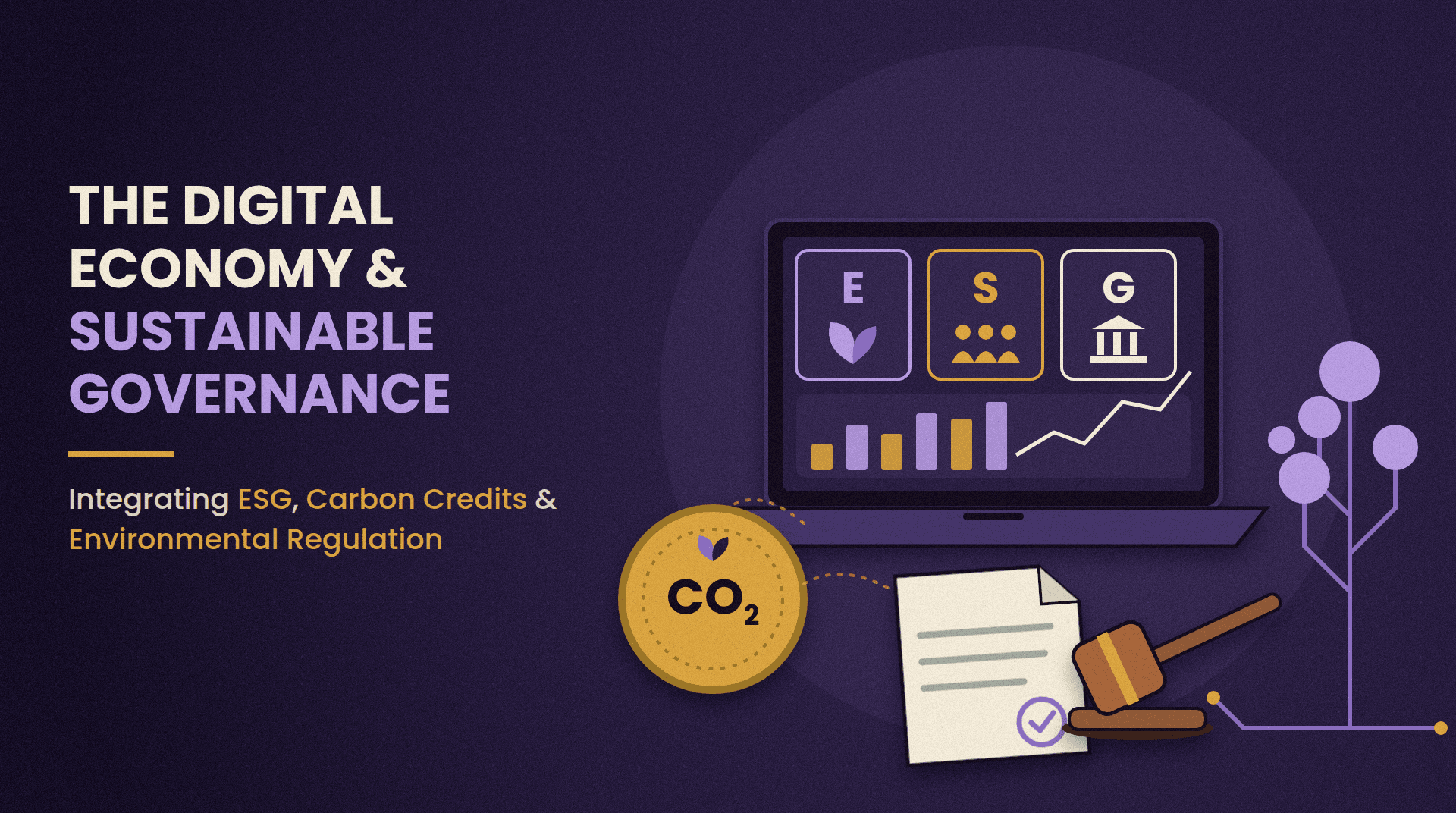
Digital technologies can address some shortcomings of field-based verification. Remote sensors can measure forest cover and methane and other greenhouse-gas emissions faster and over a wider area than traditional field methods. Digital Measurement, Reporting and Verification (dMRV) can improve transparency while reducing costs. But digital tools bring their own challenges.