Adrita Shannigrahi
13 Oct 2026 8 min read
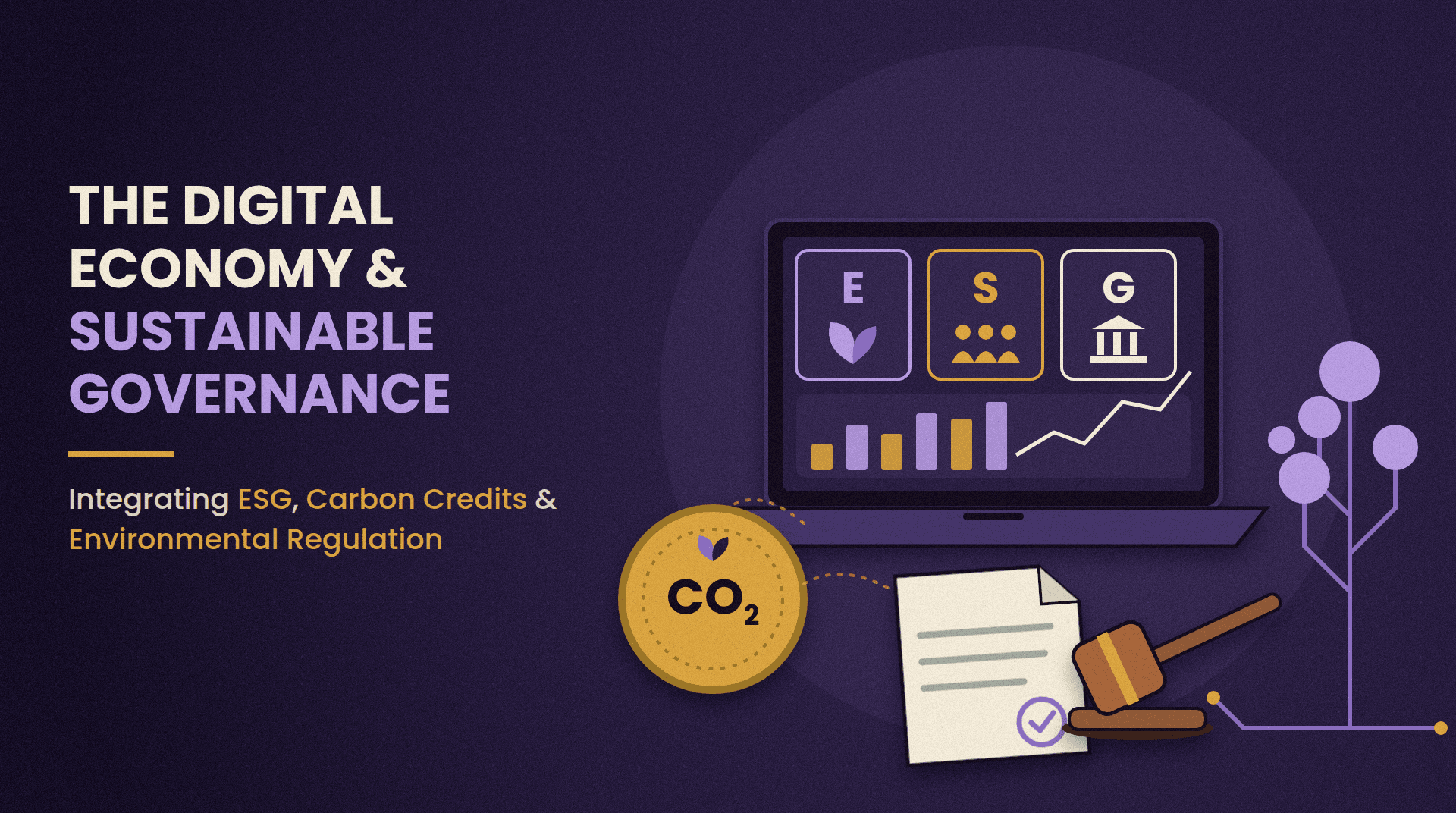
Sukhi gets up at dawn to mend his nets and count herons along the shores of the Pichavaram mangrove forest in the Cauvery delta. Far away, an algorithm photographs the trees from space, converts the canopy into tonnes of carbon dioxide and then into digital tokens, and sells those certificates for the carbon the forest is claimed to capture. An airline is the first buyer. By evening, a fund offers 'climate-positive' investments to an asset manager, who buys the certificates. By the end of the day, a competing party lists the same tree certificates for the public.
Sukhi knows nothing of the details of the carbon-offset scheme. He knows he has been promised a share of the revenue, that a new limit restricts where he can cut and collect firewood, and that the forest has been less dense since the last cyclone. Who determines who owns the carbon in the trees? Who verifies that the unit sold was ever removed from the atmosphere? Who answers that in a courtroom? Sukhi is a fictional character. The questions are not. This blog reviews ESG and carbon-credit regulation in the accelerating digital economy. It argues that carbon credits must complement, not replace, direct decarbonisation, and that digital tools can enhance credibility only if a structured legal framework is enforced.
From Values to Obligations
ESG began as a voluntary initiative of the investment community, but this is changing. The EU's Corporate Sustainability Reporting Directive requires companies within its scope to disclose sustainability information, subject to assurance requirements. The Sustainable Finance Disclosure Regulation imposes similar requirements on financial-market participants and financial advisers. The EU's recent 'Omnibus' reforms have proposed changes to the scope and implementation of some sustainability rules, but the broader movement towards greater disclosure and accountability remains significant. Liability for carbon credits will become increasingly common and contentious. Credits allow an entity, in appropriate circumstances, to assert that emissions in one place have been offset by reductions or removals elsewhere. However, buying a credit does not automatically remove a company's legal obligation to reduce its own emissions. For a lawyer, that is a conundrum.
A Legal Object in Search of a Definition
A carbon credit is a tradable unit representing a verified reduction, removal or, depending on the methodology, avoidance of greenhouse gases, usually equivalent to one metric tone of carbon dioxide equivalent. Credits are generated through forest conservation or through projects and technologies such as renewable energy, methane reduction and carbon capture. The market for voluntary carbon credits (VCCs) is still developing and is full of legal ambiguity. Under the EU Emissions Trading System, allowances are created within a statutory framework with defined rules on issuance, surrender and enforcement. VCCs are legally different. They are generally created and administered through private standards, project methodologies and registries, so issuance, transfer and retirement may be governed largely by contractual terms and registry rules rather than a single statute. Their legal characterisation is therefore often context-specific. Legal due diligence must determine the consequences of insolvency or project failure. What happens to a credit if the project fails?
Article 6 of the Paris Agreement, on international cooperation and the transfer of mitigation outcomes, seeks to address accounting and double-counting concerns. However, credits traded in voluntary markets do not automatically fall within every Article 6 mechanism. The distinction matters because the same emission reduction should not be counted twice in a way that undermines the market's environmental integrity. Integrity concerns are not theoretical. Empirical work has found that some forest-conservation offsets have overstated their climate benefit. Industry responses, such as the Integrity Council for the Voluntary Carbon Market's Core Carbon Principles, are useful but remain primarily soft law. Their authority rests on market adoption rather than legal compulsion. The law has not yet reached many of the people it affects. Recognition of carbon rights can conflict with traditional land-use rights, and benefit-sharing agreements may be offered to communities that can neither negotiate them properly nor enforce them. Sukhi's fence is both a legal and an environmental challenge.
Digital Acceleration: Speed Without Verification
Digital technologies can address some shortcomings of field-based verification. Remote sensors can measure forest cover and methane and other greenhouse-gas emissions faster and over a wider area than traditional field methods. Digital Measurement, Reporting and Verification (dMRV) can improve transparency while reducing costs. But digital tools bring their own challenges. Converting credits into digital tokens can separate them from their original registry and allow them to be traded on blockchain-based platforms. The digital representation may then become detached from the integrity of the underlying credit, which raises doubts about the reliability of the environmental claim. Ledgers can track transfers of tokens, but they cannot by themselves guarantee the integrity of a forest ecosystem.
Many algorithms used to model carbon stock and emissions rest on assumptions that are hidden from users and regulators. Where a model is proprietary, verification may in effect depend on trusting the vendor. Equipment and algorithms can generate flawed or misleading estimates of carbon stock and emission reductions faster than regulators can respond. Regulators are taking notice. The EU's Carbon Removals and Carbon Farming Certification Regulation establishes a voluntary system in which permanent carbon removals, carbon farming and carbon storage are assessed against common certification criteria. Its scope is narrow, but it is a notable development. It moves important quality criteria into a public regulatory framework and introduces certification and verification requirements. The focus should be on defining liability for the digital realm and on applying to models and data the same auditability and accountability that legislatures have required in more tangible areas.
Liability: Greenwashing and the Courtroom
The law is not equally developed in every area. Where there are gaps, liability and consumer-protection law may offer redress. Environmental claims are increasingly attracting the attention of consumer and advertising regulators. The UK's Competition and Markets Authority (CMA) issued the Green Claims Code, under which environmental claims must be supported by evidence. The Digital Markets, Competition and Consumers Act 2024 further strengthened the consumer-protection framework and the CMA's enforcement powers. Several EU Member States have taken similar approaches by restricting or regulating environmental claims. This is particularly relevant to claims such as 'climate neutral' or 'carbon neutral', which depend substantially on offsets.
Climate litigation is unpredictable, but several cases illustrate principles that companies and their advisers should consider. Milieudefensie v Royal Dutch Shell plc is a landmark Dutch case on whether a private company can be legally required to cut its greenhouse-gas emissions. In 2021, the Hague District Court ordered Shell to reduce its CO₂ emissions by 45% by 2030 from 2019 levels, covering Scopes 1, 2 and 3. In 2024, the Court of Appeal overturned that specific target but held that Shell has an obligation to reduce its CO₂ emissions, finding only that there was insufficient basis for imposing that particular percentage. More generally, courts may scrutinise a company's position on emissions reduction, and statements about its plans and commitments may become relevant to legal claims. Directors should be aware of this. In some jurisdictions, including the UK, statements by directors and officers may be reviewed in civil or criminal proceedings, depending on the applicable legal framework.
Towards a Coherent Architecture
How should the law respond? Five principles suggest a credible regulatory structure for ESG and carbon credits.
1. Clarity on the legal nature of carbon credits. The law should establish what a carbon credit is and what rights a purchaser acquires. Rules should address ownership, transfer, retirement and the consequences of project failure.
2. A disclosure framework. Companies should disclose their gross emission reductions rather than rely on credits as a substitute for their reduction goals. They should also disclose the type of credits, the underlying project and the registry in which the credits are recorded.
3. Accountable digital verification. Digital MRV is still developing, but frameworks and protocols are beginning to emerge. They should be subject to third-party evaluation of their methodology, and the relevant data should be retained. Platforms that tokenize or trade environmental credits should verify that each credit is unique and valid and has not been double-counted or retired elsewhere.
4. Community rights as a condition of integrity. Project eligibility and implementation should require free, prior and informed consent where applicable, together with enforceable benefit-sharing. A satellite solution or impact assessment cannot cure a defective project. Generating a credit by displacing the people who protect and govern the forest is defective.
5. Interoperability across jurisdictions. Fragmentation of national and regional carbon markets is likely to increase. India's Energy Conservation (Amendment) Act 2022, for instance, provides the statutory basis for a national carbon credit trading scheme, and the Carbon Credit Trading Scheme, 2023 provides the regulatory framework for the Indian carbon market. Without harmonized rules on registries, accounting and adjustments, such schemes could encourage activity aimed at exploiting differences in standards and integrity.
The strength of ESG and carbon markets is that they can channel capital to environmental projects. Whether they actually support the transition to a sustainable economy will depend on the systems used to measure and report environmental impact. Digital technology can accelerate both the measurement of that impact and the creation of misleading claims. Carbon credits can be a valuable tool of climate finance and international cooperation, supporting afforestation, clean energy, carbon removal and sustainable ecosystems. Clear laws distinguish what must be done from what is merely permitted. They should require participants to disclose meaningfully and ensure that claims are verified. They should also give weight to the interests of the local communities who bear the consequences of emission-reduction projects. In the best case, the tones of carbon sold would match the tones actually removed or reduced, the digital record would be verifiable, and Sukhi would receive the benefit promised to him.
Adrita Shannigrahi
Symbiosis Law school, Nagpur
Sign in to join the discussion.
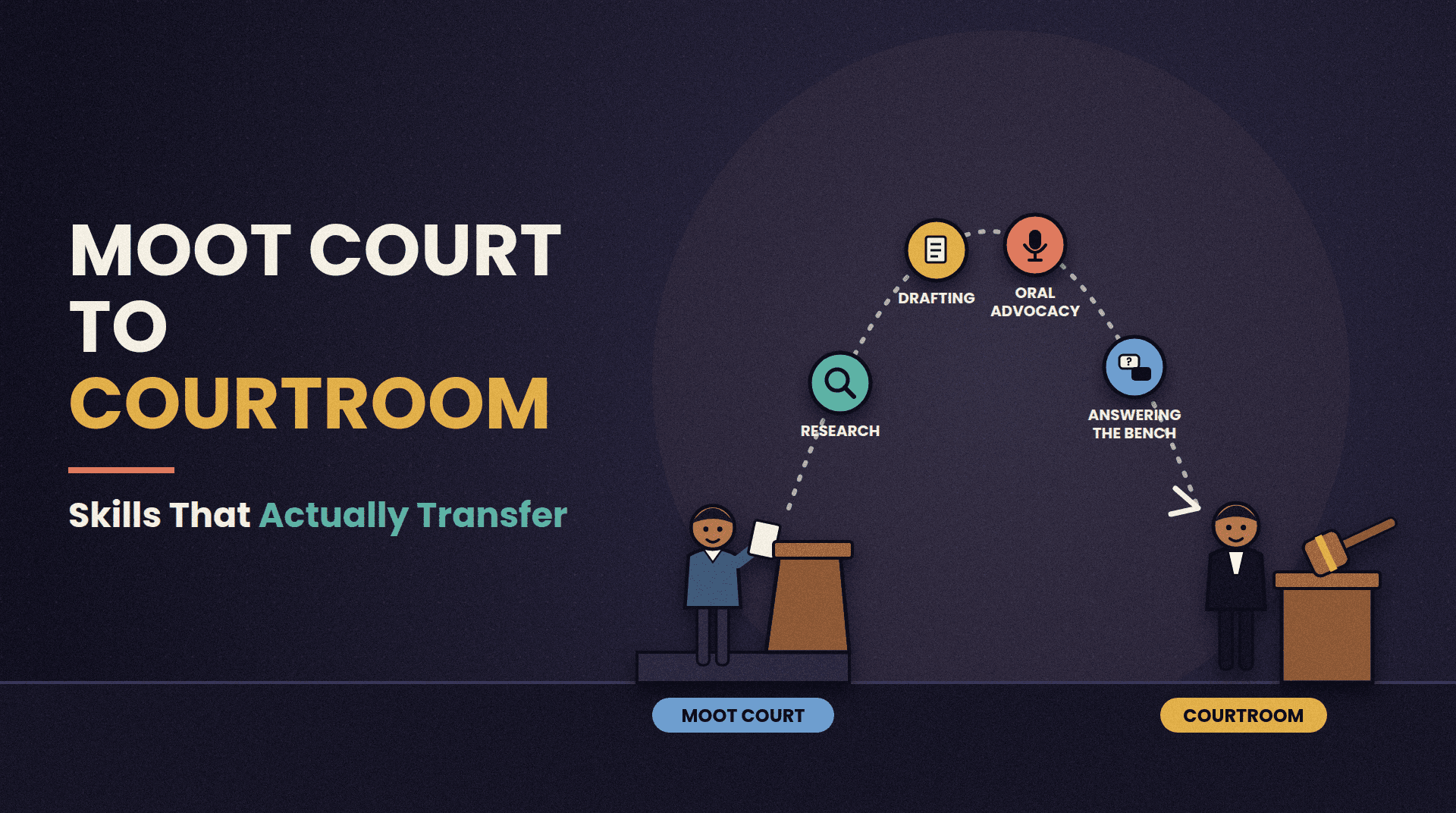
Moots reward elaborate memorials, rhetorical flourishes and exhaustive citation. Courts often do not. Real drafting values short, clear pleadings over decorative language. Courtroom advocacy is also less theatrical; credibility built over years matters more than a polished speech. Moots also skip the unglamorous side of practice: client interviews, procedural compliance, filing defects, limitation, and the patience that repeated adjournments demand.
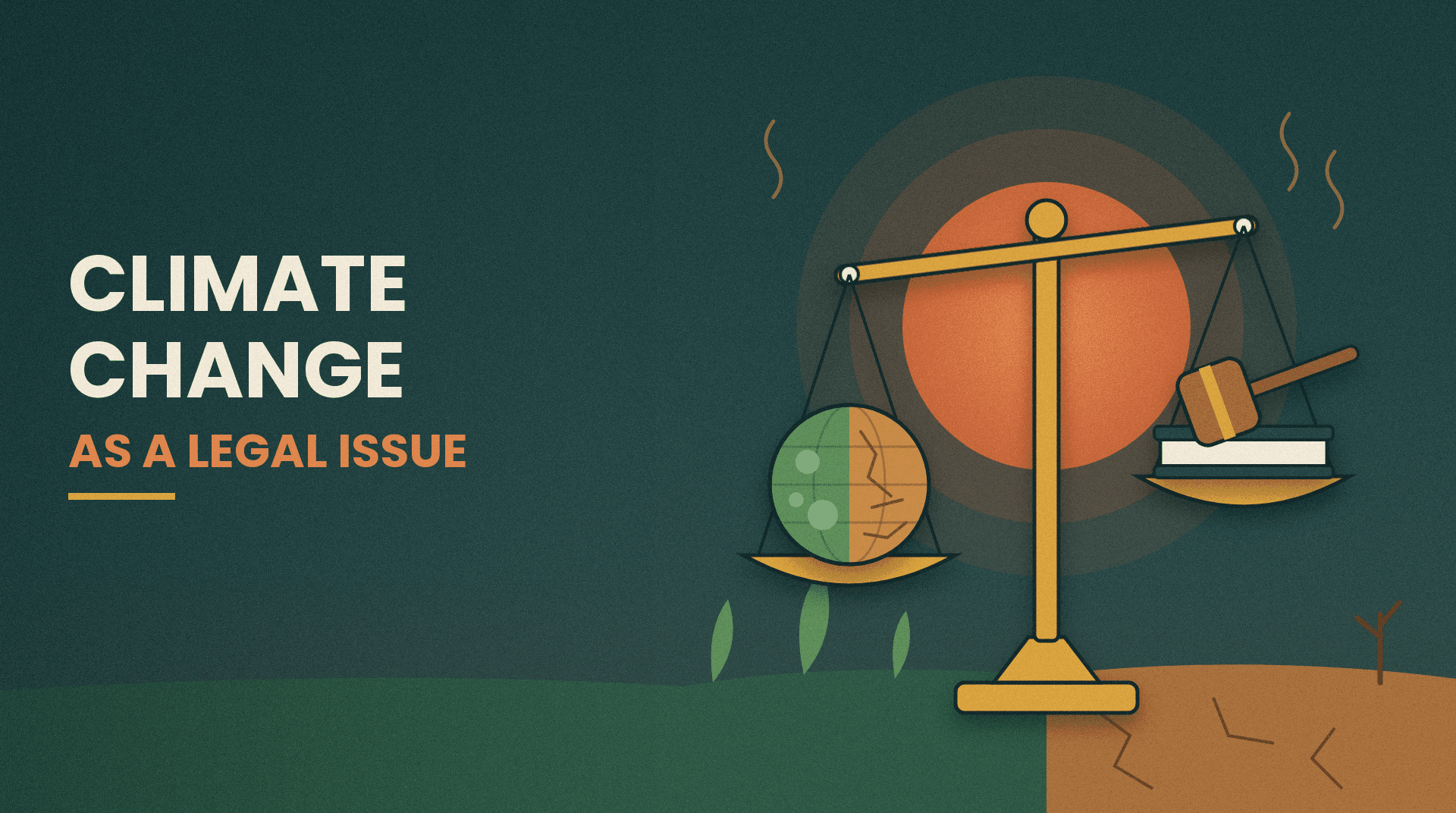
Imagine a farmer who sows his crop right after the first monsoon rains, just as his family has done for generations. This year, the rain vanishes for weeks. When it finally returns, it comes all at once, washing his seedlings away. He has no real insurance and zero savings to lean on. He isn’t thinking about global carbon targets or international treaties. He only knows that his livelihood has become completely unpredictable, and no one seems answerable for it.