Ayesha khan
4 Oct 2026 3 min read
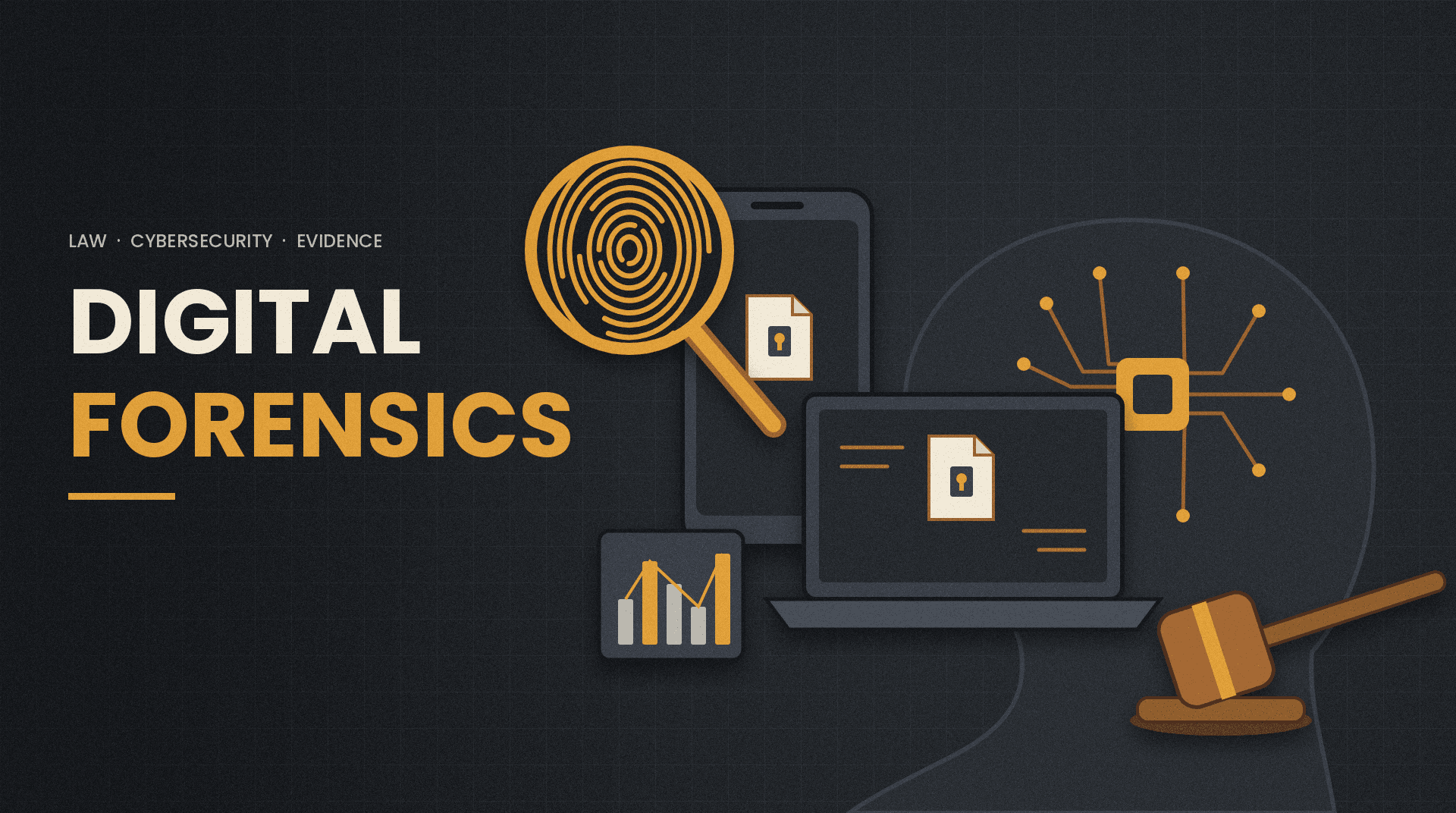
1 What is Digital Evidence?
Any information stored or transmitted in digital form that a party to a court case may use at trial ex: Emails,Whatsapp,instagram chats,call recordings,CCTV Footage, Photos,Videos,Website data, GPS Location, Pen drives.
Under new Law it clearly Defined: Under Bhartiya Sakshya Adhiniyam,2023{BSA} [Old Indian Evidence Act]: section 2(1)(d) & Section 61- Electronic Records are now considered as primary evidence. It says electronic records include information stored in semiconductor memory or any communication device.
2 The MostImportant Law:Section 63 of BSA [Old Section 65B of Indian Evidence Act] This is The Heart of digital evidence Law in India. Without this,your digital evidence is just a piece of paper.
The Rule:If you want to submit any electronic Record (like a printout of an email,a CD of CCTV),You must submit a certificate under section 63(4) Of BSA.
What should be in the certifcate?
A It describe the electronic record and identified it.
B It explains the manner in which the record was produced-From which device/computer.
C It certifies that the device was working properly during that time.
D It must be signed by a person who is in charge of that device.
Landmark Judgement
1 Anvar P.V. vs. P.K. Basheer (2014): Supreme Cort said -Section 65B Certificate is mandatory. without it, electronic evidence is inadmissible.
2 Arjun panditrao khotkar vs. Kailash kushanrao gorantyal(2020): Supreme court clarified Anvar case, said certificate is required even if you have a original device. If you don't have the certificate first, you can submit it later with permission of court.
3 State by karnataka LokaYukta vs. M.R. Hiremath (2019): If orignal device itself is produced in court (eg. phone itself),then 65B Certificate is not needed.
3 Other Important Laws Related To Digital Evidence
A Information Technology Act,2000: section 65B,66-Hacking & Data Theft, Section 67- Publishing obscene material, Section 79A-Government notifies examiner of electronic evidence. Their report is expert opinion.
B Bhartiya Nagarik Suraksha Sanhita, 2023(BNSS): Section 105 & 185- Search and seizure of digital devices must be videographed. Police must make a harsh value to ensure data is not tampered.
4 How to Make Digital Evidence Strong in Court?
1 Originality is king: Always preserve the original device. Don't just keep screenshot, keep the phone/laptop. Create a clone copy with Hash Value (MD5/SHA)
2 Chain of Custody: Prove that from the moment you got the evidence till court, it was not tampered. who touched it, when, why - maintain a record.
3 No tampering/editing: Never crop, filter, or edit a WhatsApp chat screenshot. Courts reject edited evidence. If you have a long chat, submit the whole chat export.
4 Certificate is a must: Get the 65B/63 BSA certificate signed from your office's IT in-charge or yourself if you own the device.
5 Common Mistakes Lawyers & Interns Make
a Submitting only screenshot printout without certificate. b Submitting a forwarded WhatsApp messenger as proof -its authenticity is doubtful. c Not proving the identity of the sender-you must prove that the number/email actually belongs to that person (via telecom certificate or affidavit)
Digital Evidence is powerful but fragile. The Law says: Electronic records are admissible like paper record but only if you prove their integrity.
Advocate Ayesha Khan
MP Highcourt Indore Bench
Sign in to join the discussion.
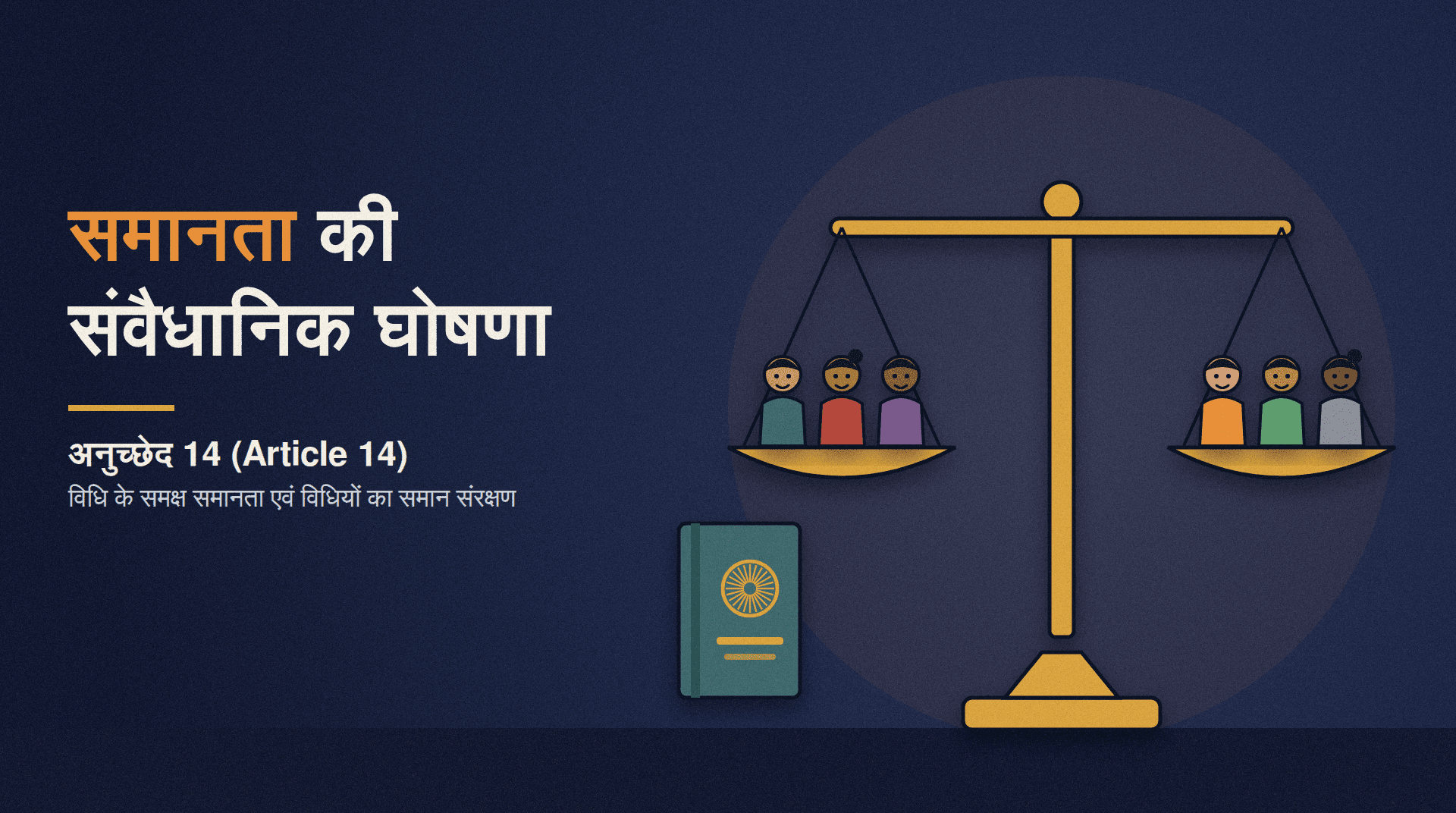
समानता का अधिकार केवल किताबों में सजाने के लिए नहीं है। यदि भारत को एक वास्तविक लोक कल्याणकारी राज्य बनाना है, तो हमें 'प्रशासनिक सामंतवाद' का अंत करना होगा और अधिकारियों को मिलने वाले हर एक विशेषाधिकार का हिसाब उनकी जन-सेवा में सफलता के आधार पर तय करना होगा।
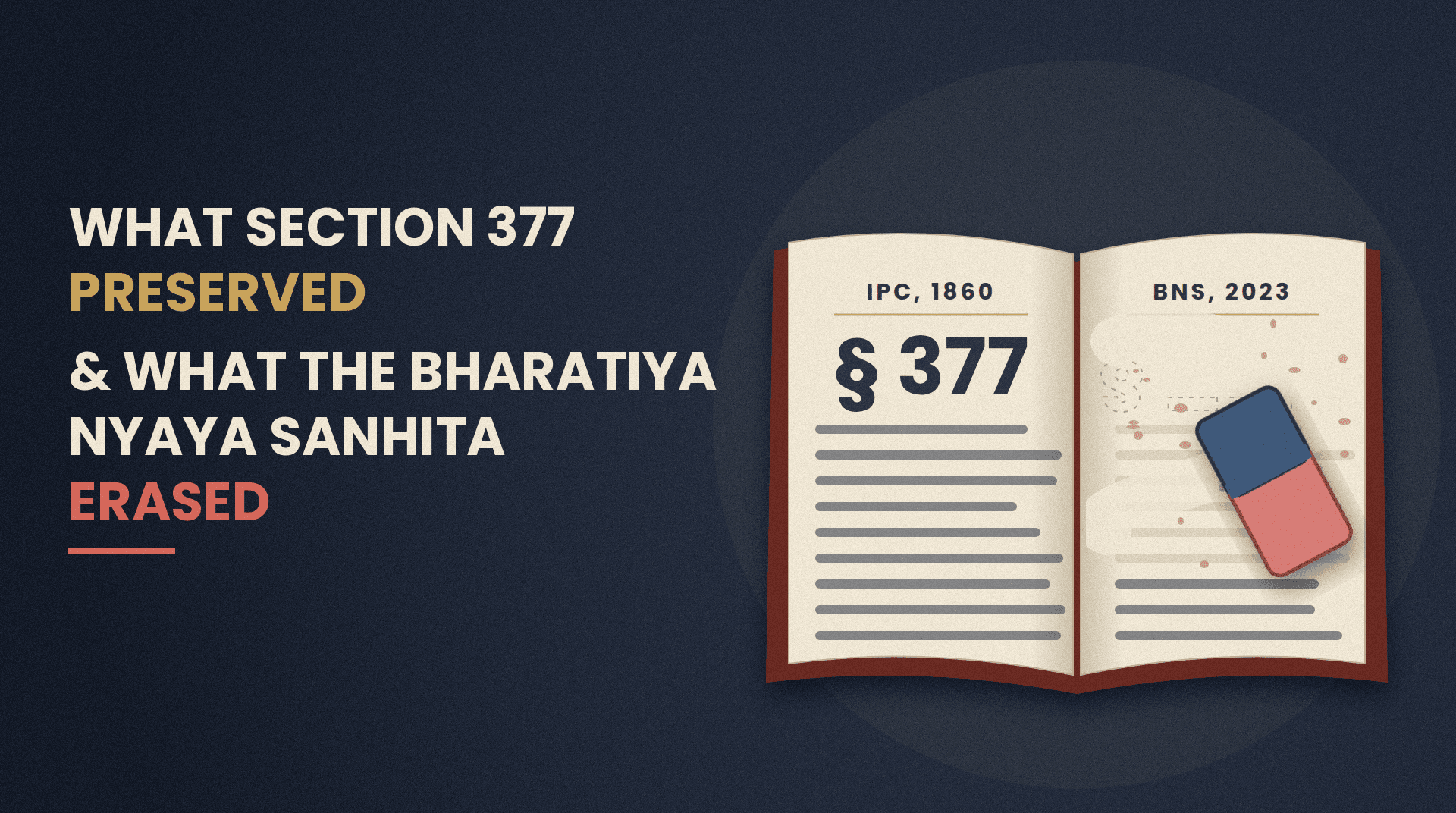
Section 377 of the Indian Penal Code, 1860 originated during the colonial era and remained an important provision of Indian criminal law while simultaneously becoming one of its most debated provisions of the criminal law because it was interpreted to criminalise consensual same-sex relations between adults. Its interpretation gradually evolved through various judicial precedents, particularly the landmark judgment in Navtej Singh Johar v. Union of India 2018.