Sakina Warorawala
6 Oct 2026 5 min read
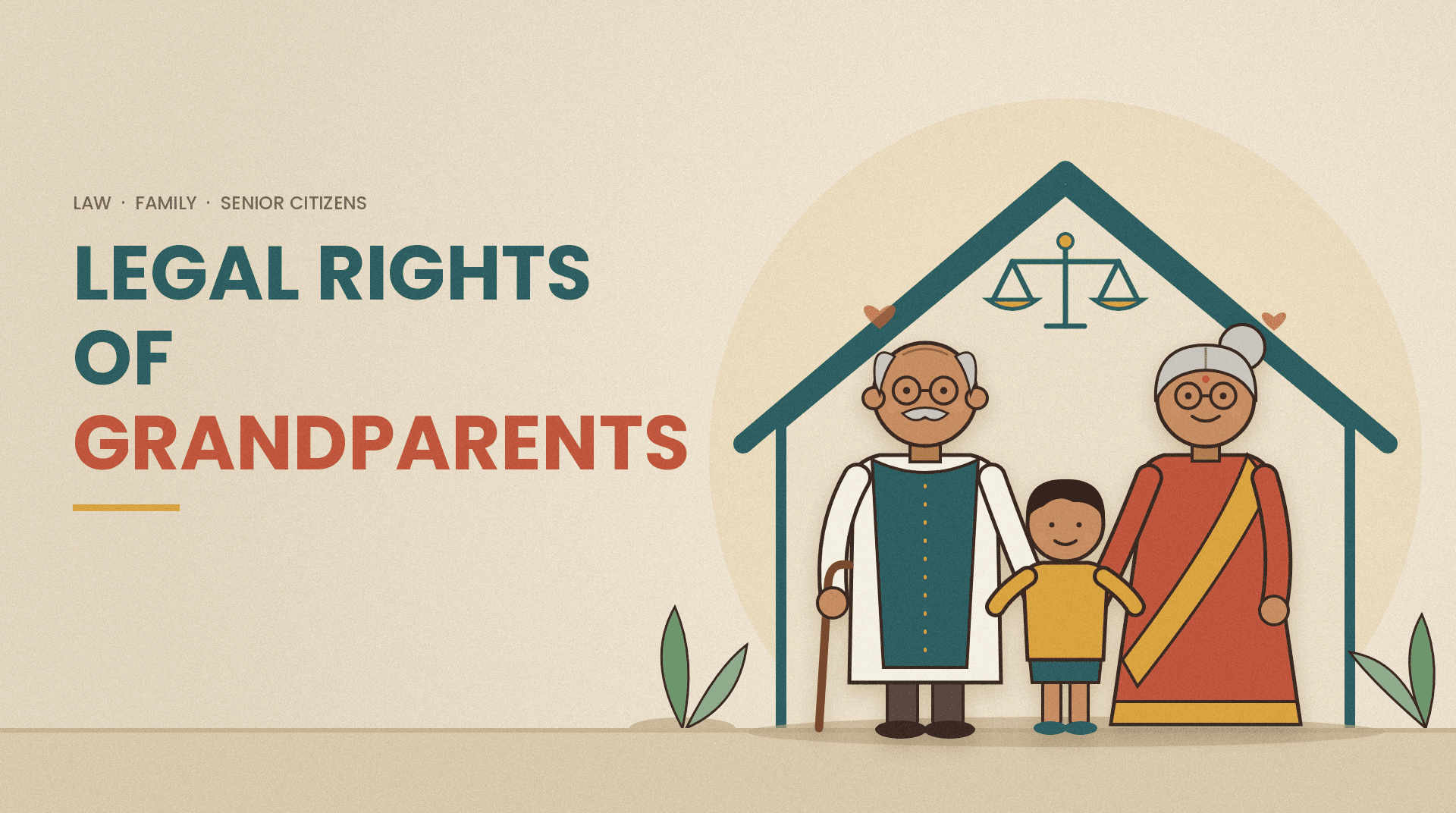
Grandparents play a important role in Indian family. They are the most emotional supporters in their grandchildren’s lives, they always stand high and tall giving their grandchildren unconditional love, support and advice and through their experience they shape their personality, making them strong, confident and positive person, but an important issue is that do grandparents have any legal rights over their grandchildren?
In Indian laws, the rights and responsibilities of a child are primarily with the parents, but grandparents can also provide and contribute emotionally and financially to the child’s life. In legal and emotional fights, grandparents often get stuck in family disputes like divorces, separations, or death of the parents which creates difficulties for grandparents in sustaining their relationship with their grandchildren. This is why it is important to know the legal rights of grandchildren’s and how far they when it comes to helping take care of kids, as they play a vital role in the emotional, social and financial lives of children.
Grandparents Rights under Indian Law
Custody Rights
The Grandparents can seek custody of their grandchild in exceptional circumstances such as:
a Death of both the parents
b Unfit/abusive parent(s)
c Divorce or separation of parents
d Being neglected or abandoned by parents, before granting custody, family courts consider factors like child’s best interest and welfare.
Visitation Rights
Although the Indian law does not specifically define “visitation rights” for grandparents, however courts can allow grandparents to maintain this relationship for the kid’s emotional well-being, especially in:
a Divorces where one parent prevents the other from visiting
b Emotional bonding between the child and grandparents
c Situations where grandparents were the main caregivers
d Objection of both parents
The court may grant full custody (in exceptional cases), joint custody or appointments such as holidays, virtual visits or scheduled visits to keep the bonds alive.
Maintenance Rights
Grandparents who are unable to support themselves may apply to a Maintenance in the form of monthly payments from their adult grandchildren (those who are not under 18 years). Childless grandparents can even take from the relatives who are to inherit their property.
4. Adoption Rights
The Juvenile Justice Act of children’s care and protection, 2015, provides for the legal recognition of grandparents as “relatives” and thus provides a direct pathway for them to adopt an orphaned, abandoned, and surrendered grandchild via Child Welfare Committee
Laws Related to Grandparent’s Rights in India
Grandparent’s rights in India aren’t covered by one single law, its spread across multiple laws, and it actually cuts two ways: rights of grandparents have over the grandchildren (custody, guardianship, visitation), and rights of grandparents to be supported by their children/ grandchildren (maintenance)
1 Guardians and Wards Act, 1890
a Grandparents can apply for a guardship of minor under section 7 and 8 of the Guardian and Wards Act,1890
b Especially if both the parents are absent or unable to manage, but the court has a final call based on the child’s welfare
2 Hindu Minority and Guardianship Act, 1956
a This statute is only valid for those professing Hinduism, Jainism, Buddhism and Sikhism.
b the law also recognises the parents as the main caregivers but if in case the parents are found to be absent or unqualified, the grandparents can go ahead and request for the care or guardianship.
3 Maintenance and Welfare of Parents and Senior Citizen Act, 2007
In case the children of grandparents are decreased or capable, grandparents who cannot support themselves will be able to claim monthly maintenance from their grandchildren (up to 10,000/-).
4 Hindu Adoptions and Maintenance Act, 1956.
a Section 20: Grandparents have the duty to keep minor grandchildren if there are no parents.
b It also covers maintenance within the family.
5 Juvenile Justice Act of Care and Protection of children, 2015
a the grandparents can go for custody or guardianship if the child is abandoned, neglected or abused by parents or any person.
b This legislation specifically defines grandparents as “relatives”
6 Article 226 of the Indian constitution
In extreme cases of alienation where parental alienation persists, widowed grandparents have the entitlement to make a writ petition in the High Court to obtain visitation rights
Key Judgements
1 Nil Ratan Kundu & Anr. vs. Abhijit Kundu (2008)
The father filed an application for custody after the death of the child's mother, and the maternal grandparents took the child with them. In fact, the Supreme Court rules in favor of the grandparents, finding that “the best interests of the child (not only the statutory right of guardianship) are the primary concern,” and considering the child's expressed desire to remain with his grandparents, as well as the pending criminal charges against the father.
2 S. Vanitha vs. Deputy Commissioner, Bengaluru Urban District (2021)
In-laws tried to evict their daughter-in-law from the family home using the Senior Citizens Act, 2007. The Supreme Court ruled that it was not possible to negate a woman's right to residence under the Domestic Violence Act, 2005 by relying on the Senior Citizens Act and that the two welfare laws have to be harmoniously interpreted and cannot be used to cancel out each other.
In India, the role of a grandmother is recognized but not that significant. If the parents are unable or unfit to be their parent, they may seek to become the parent's guardian for custody, visitation, or adoption; but courts will always look to the living and capable parent first. Meanwhile, the law also benefits grandparents in the opposite way: They are entitled to support from their own grandchildren in their old age. No single law exists, so if anyone gets a grandparent’s rights issue, it is important that they seek the guidance of a family law advocate to enable them to apply the correct mix of these laws to the issue.
Sakina Warorawala
Gondwana University
Sign in to join the discussion.
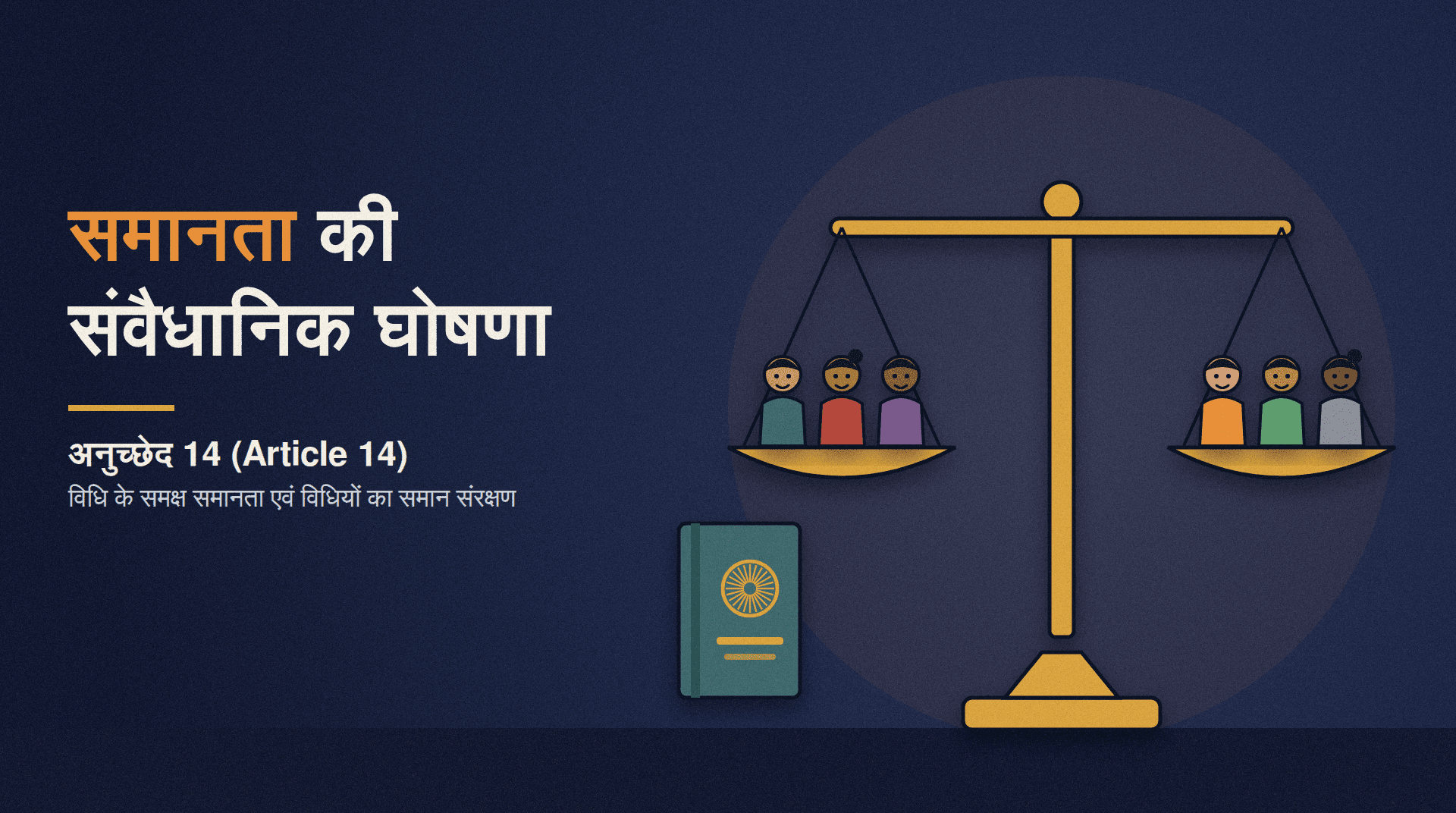
समानता का अधिकार केवल किताबों में सजाने के लिए नहीं है। यदि भारत को एक वास्तविक लोक कल्याणकारी राज्य बनाना है, तो हमें 'प्रशासनिक सामंतवाद' का अंत करना होगा और अधिकारियों को मिलने वाले हर एक विशेषाधिकार का हिसाब उनकी जन-सेवा में सफलता के आधार पर तय करना होगा।
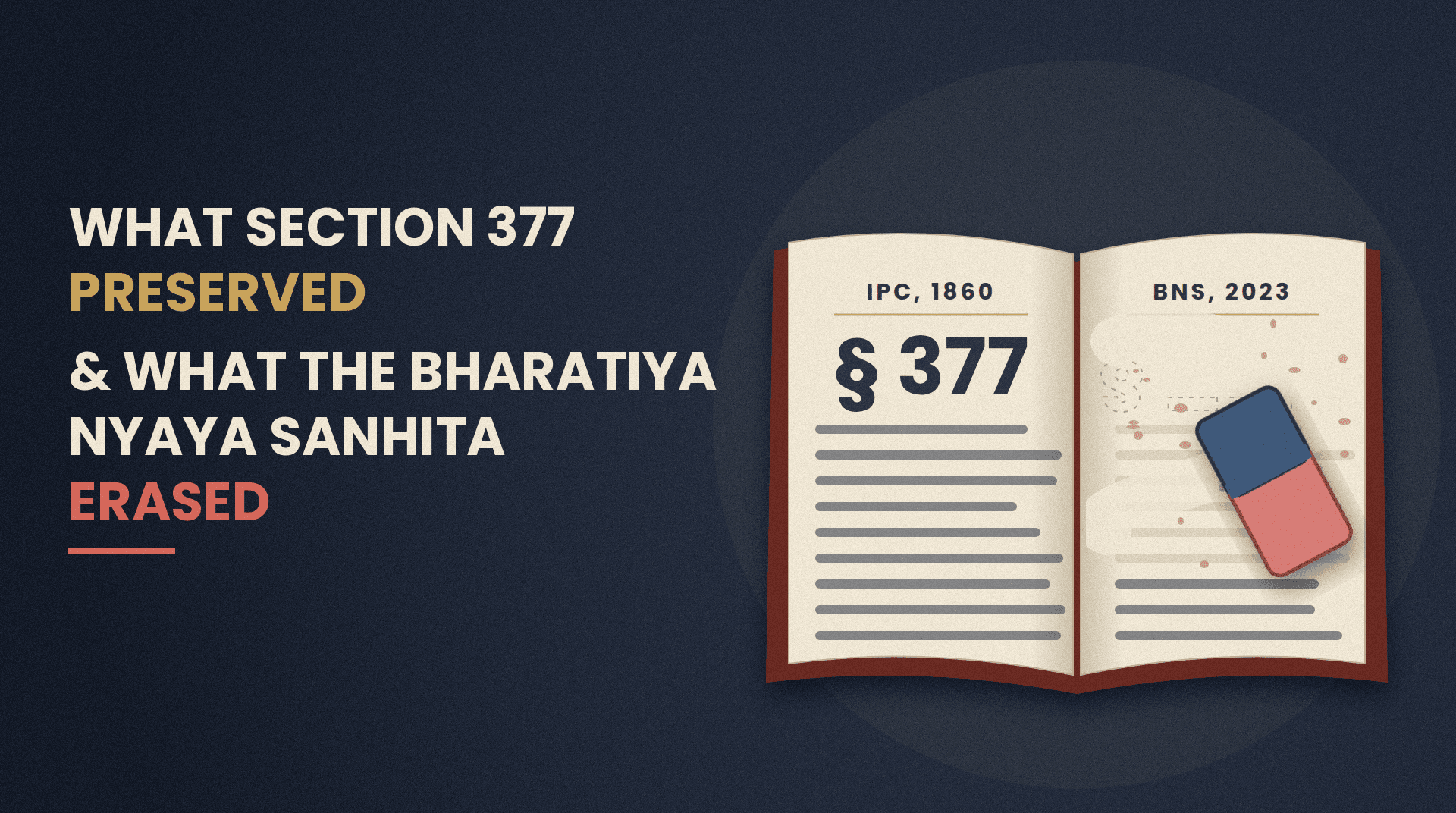
Section 377 of the Indian Penal Code, 1860 originated during the colonial era and remained an important provision of Indian criminal law while simultaneously becoming one of its most debated provisions of the criminal law because it was interpreted to criminalise consensual same-sex relations between adults. Its interpretation gradually evolved through various judicial precedents, particularly the landmark judgment in Navtej Singh Johar v. Union of India 2018.