Mansi Tiwari
10 Nov 2026 4 min read
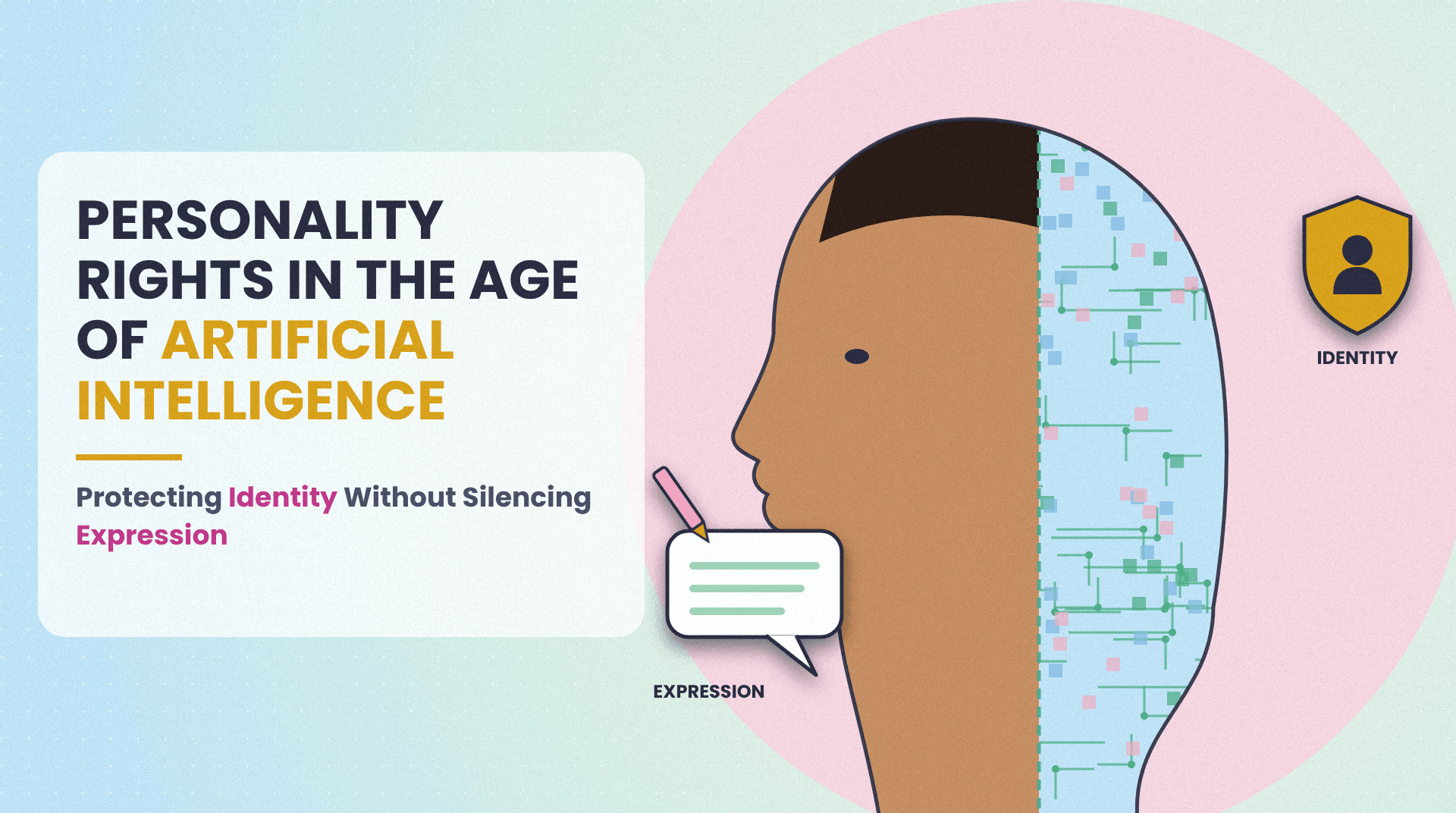
In today's digital era, a person's identity has become more than just a reflection of people, it has become a valuable commercial asset. The name, image, voice and unique stances of a celebrity can be worth a lot of money. With the development of artificial intelligence (AI), deepfakes and digital impersonation, the safeguarding of these attributes has become unprecedented. The modern discussion on personality rights is based on an important question: How is it that the law can respect the identity of the individual without abridging freedom of expression?
Understanding Personality Rights
Personal rights, which are usually linked to the right to publicity, are rights which are intended to prevent the use of identifiable parts of a person's personality without his or her consent. These include their name and image, their voice and their likeness and distinctive characteristics. India has no dedicated law on personality rights. Their protection has developed under the constitutional principles, under the system of intellectual property law and through judicial interpretation. One of the components of the right to life and personal liberty guaranteed by Article 21 of the Constitution of India is dignity, privacy and individual autonomy. On the other hand, Article 19(1)(a) guarantees the freedom of speech and expression, which establishes a constitutional balance between the identity and public expression of individuals. Some of the statutory provisions also afford protection. Section 27(2) of the Trade Marks Act, 1999 protects the remedy of passing off against unauthorised use of a person's identity which gives rise to a misleading impression of commercial endorsement. Sections 38A and 38B of the Copyright Act, 1957 protect performers' economic and moral rights, respectively, in relation to their performances. But these provisions are not an exclusive and comprehensive personality-rights regime.
AI and the Emerging Crisis of Digital Identity
Generative AI has changed the landscape of personality rights infringements, as it rapidly evolves deepfake videos, synthesized images and fake ads with AI can impersonate a person without their knowledge or consent. The misuse may take the form of copying an existing photograph or recording without reference, as opposed to the traditional definition of infringement. AI-generated content may recreate a person's appearance, voice or mannerisms to produce completely fake representations. The impact goes beyond the loss of business. Fake endorsements lead to consumer fraud, and fake videos cause damage to reputation, dignity and public trust. It takes a severe toll when this material is pornographic, libelous or ideologically incorrect. There are some relevant remedies in the Information Technology Act, 2000. Section 66C deals with identity theft and Section 66D with cheating by personation through a computer resource. Sections 67 and 67A cover the electronic publication and transmission of obscene materials and sexually explicit materials, respectively. However, these provisions are not exhaustive of all cases of AI appropriation of a personality. The current system is fractured, mainly in relation to consent, commercial exploitation and the responsibility of platforms.
Judicial Recognition
The Delhi High Court considered the issue of unauthorized commercial use of the personality of a singer, Daler Mehndi, through merchandise in D.M. Entertainment Pvt. Ltd. v. Baby Gift House . The Court was aware that an individual's identity has commercial value and that the use of it without consent could infringe upon their publication rights. The judgment held that one may not be forced to endorse a product just because his or her name has been used commercially without consent. It established a connection between publicity rights and passing off as well. A more recent case is Anil Kapoor v. Simply Life India & Ors.. The Delhi High Court blocked unauthorized use of actor Anil Kapoor's name, image, voice and unique features, even if that involves using AI technology and deep fake technology. The Court recognized the potential of technological tools that allow to exploit an individual's persona without permission, and the importance of safeguarding dignity, privacy and commercial interests.
Balancing Personality Rights and Freedom of Speech and Expression
Personality rights cannot be absolute. Under article 19(1)(a) the right to criticism, parody, satire, artistic representation and reporting of public figures is protected. If the concept of personality rights is overly broad, it would enable celebrities to stifle even legitimate comments or stop the public from participating in their work or actions. The law must thus provide a justification for the difference between un authorized commercial use and proper expression use. Criticism of a celebrity's image in an advertisement might attract legal action, but an article or satirical drawing of the same image would not necessarily be protected expression. “Whether a person's identity is used is not the question—it is the why, where and how.
In the era of artificial intelligence and digital impersonation, personality rights have emerged as a growing legal priority in India. Judicial rulings have enhanced the protection against unauthorized use, but there is no specific statute in place to address the various issues. A nuanced legal framework that provides better guidance on consent, commercial exploitation and AI-induced impersonation while maintaining the constitutional freedom of creativity, criticism and public debate is the need of the hour. Moreover, the advances of technology should not be achieved at the expense of the dignity of the individual and the right to freedom of expression should not be denied because of the protection of identity.
Mansi Tiwari

Shri Vaishnav Institute of Law, SVVV, Indore
Sign in to join the discussion.
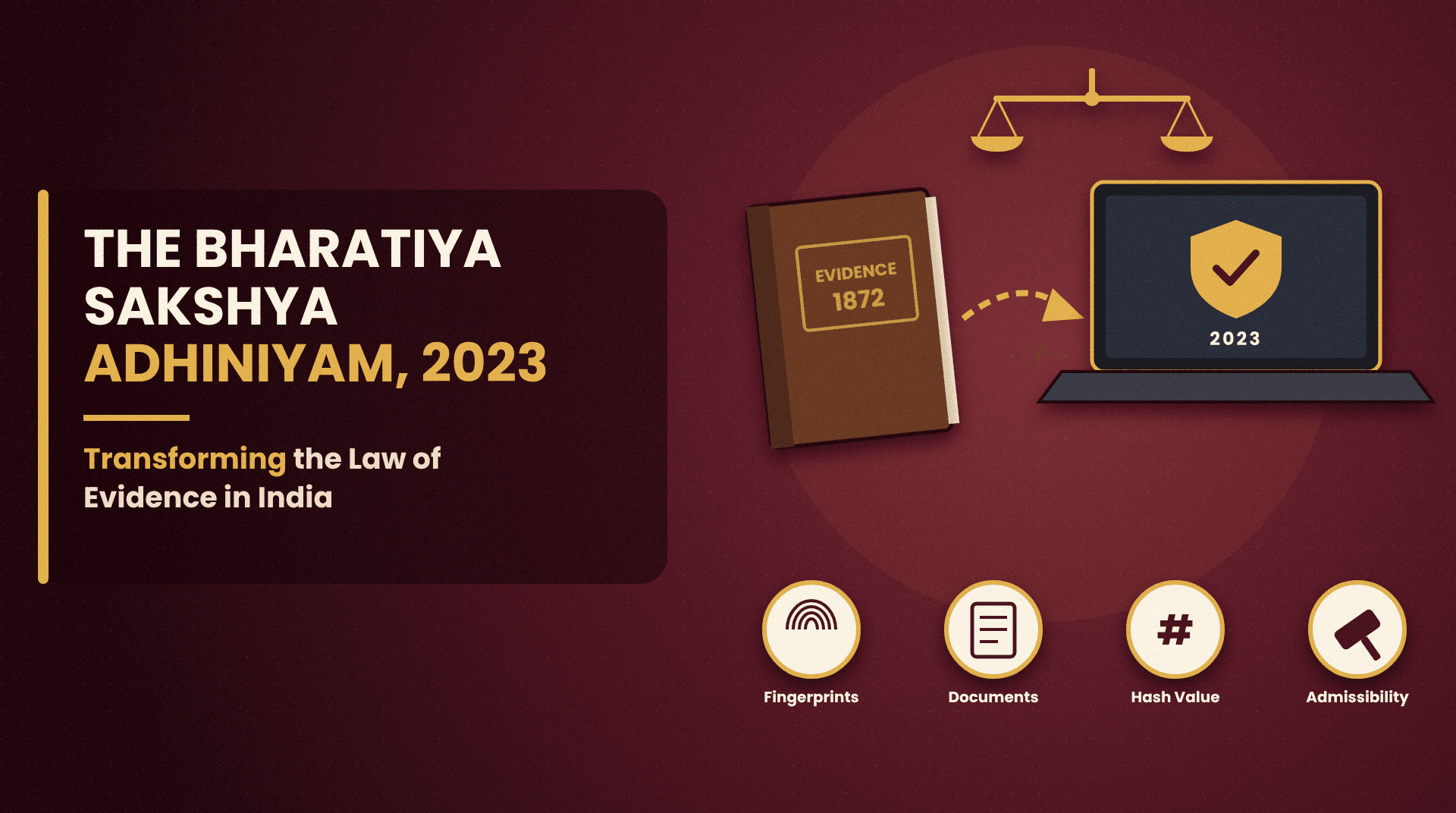
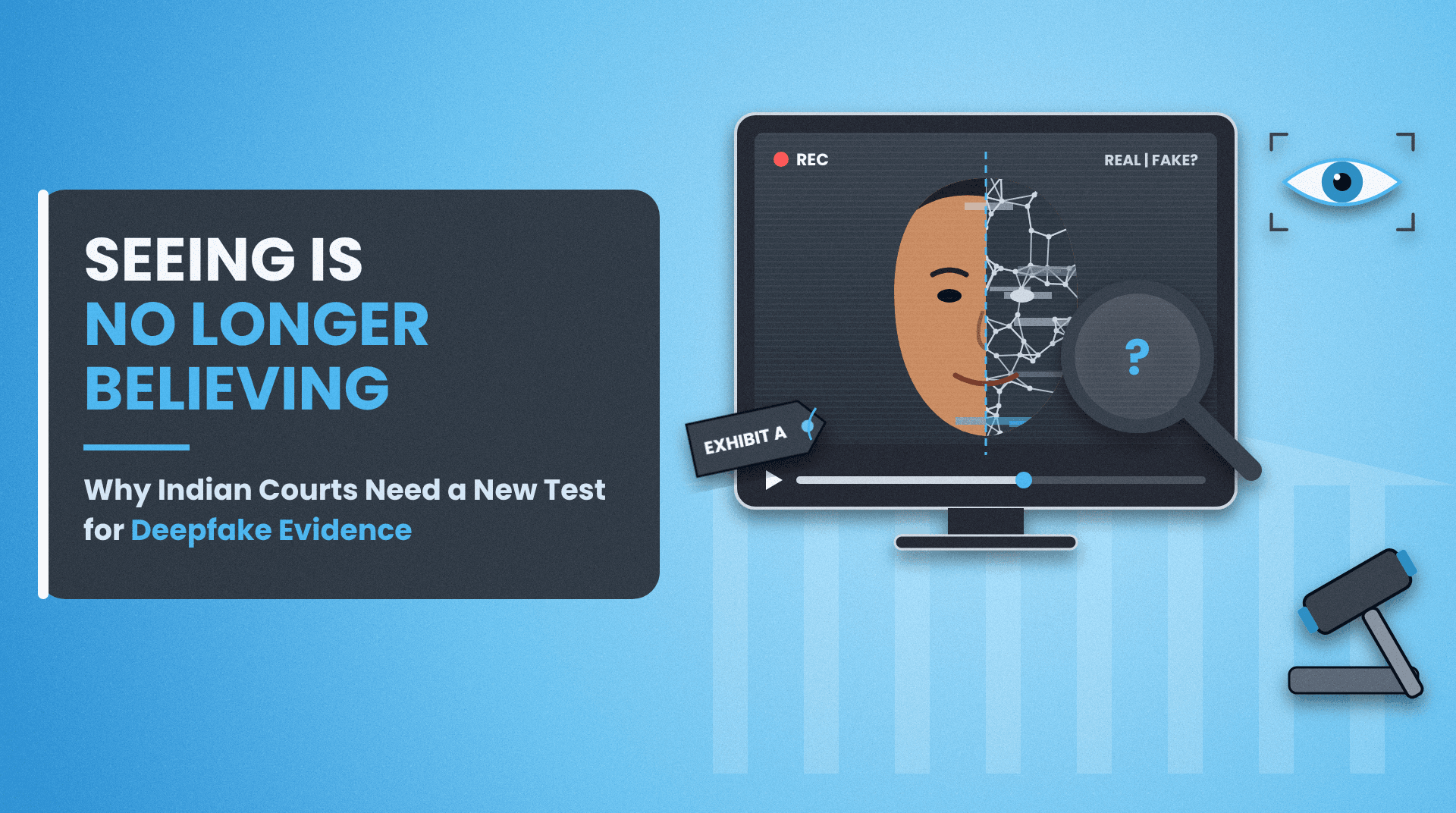
A major issue in digital evidence is the difference between admissibility and reliability.
What if someone walks in and decides the dead are simply available?