Dhananjay Katare
23 Nov 2026 11 min read
The Room Nobody Imagines
Picture a hospital mortuary at 3 a.m. The refrigeration unit hums and the doors are locked. Rows of bodies wait for families to claim them. We take comfort in one thought here: nobody can be hurt anymore.
Now ask the question that kept me awake while researching this piece. What if someone walks in and decides the dead are simply available?
You may think I invented that nightmare. I did not. In 2023 the Karnataka High Court recorded that it had been brought to its notice that attendants in hospital mortuaries were reportedly committing sexual acts on the bodies of young women. It ordered CCTV cameras in the State’s mortuaries.
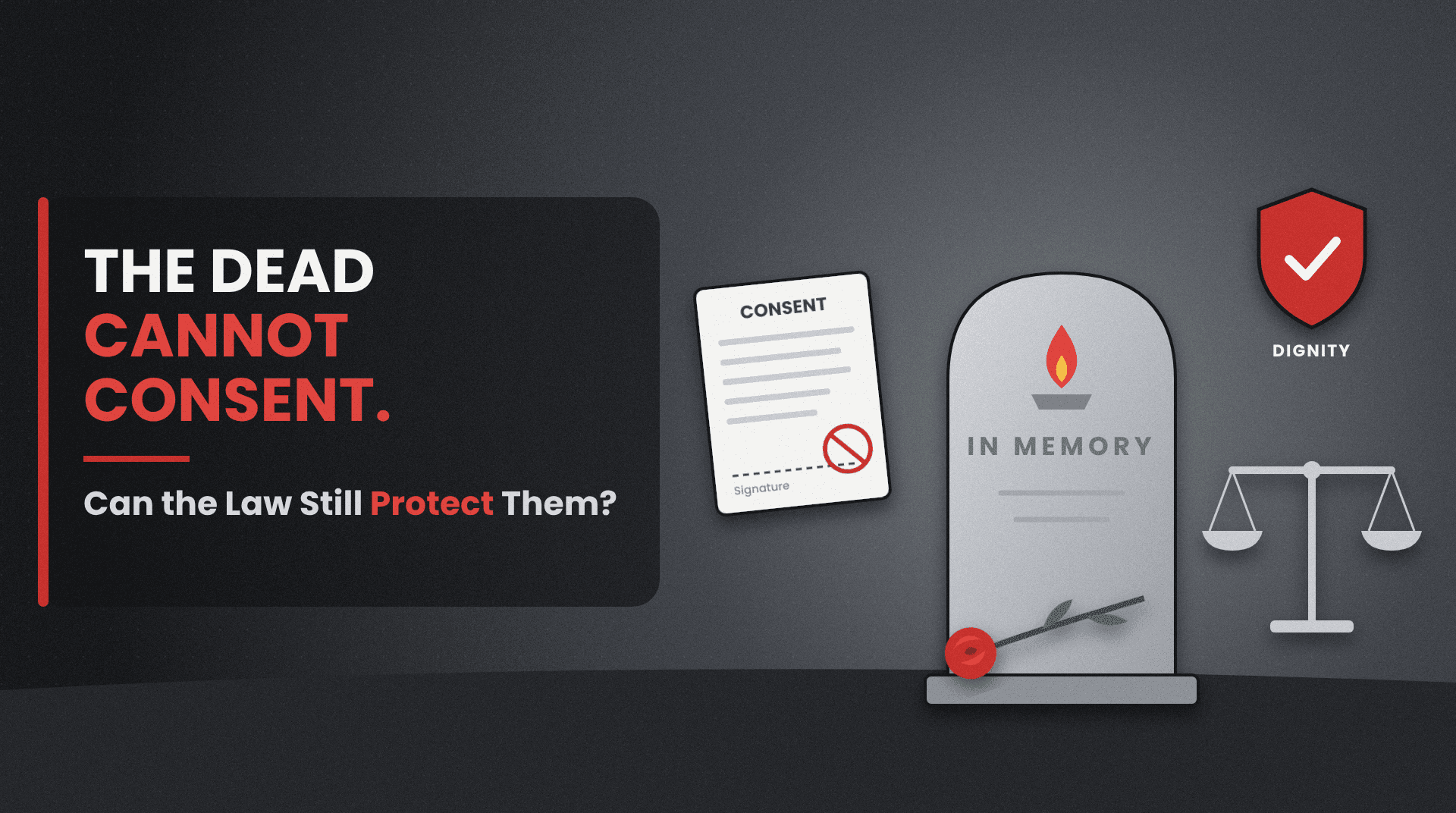
The horror is not only the act. It is that Indian law has no clear name for it.
Two Courts, One Silence
First, a precision. I am not claiming that anything done to a corpse is beyond the law’s reach. Murder, concealment of evidence and, on the right facts, Section 301 of the BNS can all apply. My claim is narrower: India has no clearly defined, standalone sexual offence for conduct involving a corpse.
In Rangaraju @ Vajapeyi v. State of Karnataka 2023 a 21-year-old woman was murdered and her body violated. The High Court confirmed the murder conviction under Section 302 IPC but set aside the rape conviction: rape requires a living person who can resist or consent. It urged the Centre to legislate. On 4 February 2025 the Supreme Court dismissed the State’s petition, saying nothing had been shown to it that necrophilia is an offence.
In Neelkanth @ Neelu Nagesh v. State of Chhattisgarh 2024 shows the gap more starkly. A nine-year-old girl was raped and murdered by Nitin Yadav, who received life imprisonment. Neelkanth, the co-accused, sexually assaulted her body before burial. The law reached him only through Sections 201 and 34 IPC, for causing disappearance of evidence: seven years. The High Court held that neither rape nor POCSO could reach an act committed entirely after death.
He was punished for concealing the crime, not for the sexual act. Both courts were bound by nulla poena sine lege: no punishment without law.
The Mind Behind the Act
Who does this? Dr Anil Aggrawal’s forensic classification includes necrophilic fantasists, who have such fantasies without physical contact; tactile necrophiles, who gain gratification from touching corpses; opportunistic necrophiles, who act when a chance arises; and regular necrophiles, who repeatedly seek it out. The most disturbing category is the homicidal necrophile, who kills to obtain a body.
These labels describe behaviour. They are not universally accepted psychiatric diagnoses, and they do not decide guilt, which turns on conduct and evidence. The opportunistic offender, notably, is exactly who a locked door and a camera are meant to stop.
So, What Does Section 301 Do?
Section 301 of the BNS, replacing Section 297 IPC, punishes anyone who “offers any indignity to any human corpse.” It may cover certain conduct if its ingredients are satisfied, and the amicus in Rangaraju argued that the chapter heading cannot narrow those words.
But the prosecution must show intention to wound someone’s feelings or insult a religion, or knowledge that this is likely. The Rangaraju bench said necrophilia could fall under Section 297 only if those ingredients were met; the prosecution had not alleged them. The ceiling is one year.
So, the provision is not irrelevant. It is simply not a sexual offence. It does not define the conduct, reflect its gravity, or turn on what actually happened to the body.
Why Not Simply Invoke Article 21?
The Supreme Court has held that Article 21 dignity extends to the body after death Pt. Parmanand Katara v. Union of India, (1989) But recognising a right is not creating an offence. Article 20(1) is the real barrier: no one may be punished for an act that was not an offence when committed. Only Parliament can define one.
Can the Dead Be Wronged?
Joel Feinberg argued in Harm to Others (1984) that a person’s interests can outlive them. Sceptics reply that where no subject remains, no harm occurs. I think they ask the wrong question. The wrong lands on the family who trusted an institution, and on every living person who wants their body kept safe when it is helpless. A statute need only protect that trust.
The Evidence Speaks. The Code Doesn’t.
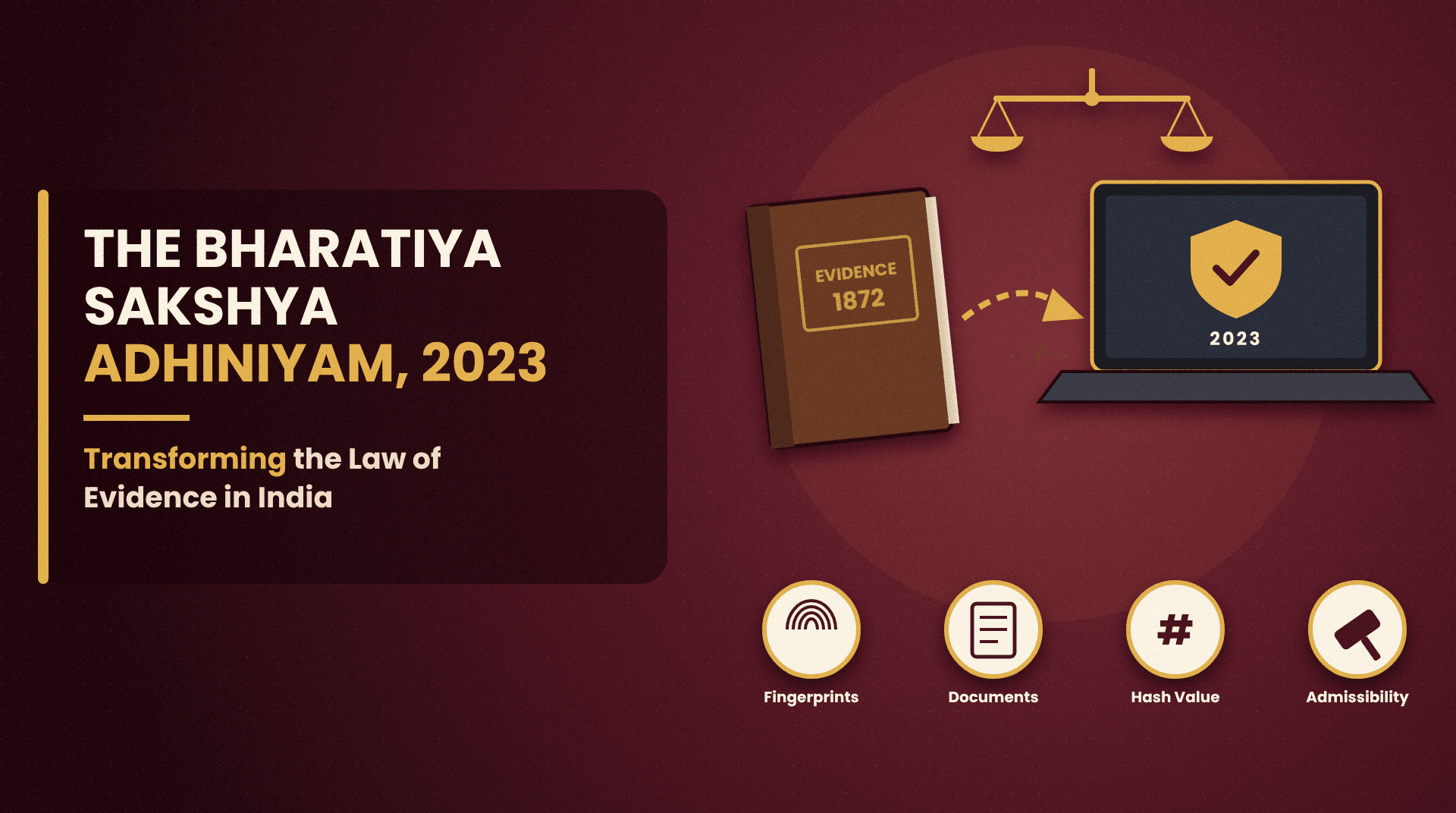
Pathologists distinguish ante-mortem injuries from post-mortem trauma, and DNA can identify biological traces. Expert opinion is admissible under Section 39 of the Bharatiya Sakshya Adhiniyam, 2023, and mortuary CCTV must meet Section 63’s certification requirements. But science cannot always fix when an injury occurred or what intention lay behind it. DNA may identify a trace; it cannot narrate the act. A defined offence will not erase the timing problem, but it gives courts the right question to ask.
When the Law Learns to Name the Wrong
The Rangaraju bench pointed to the UK, Canada, New Zealand and South Africa. The UK’s story is the most instructive. Section 70 of the Sexual Offences Act 2003 once covered only penetration, with a two-year maximum. Section 115 of the Crime and Policing Act 2026, in force since 29 September 2026, replaced it with “sexual activity with a corpse”: any intentional sexual touching of a dead body, knowing or reckless as to death, punishable by up to seven years with penetration and five otherwise. Even an existing offence can be found too narrow and widened. India has yet to define one.
What I Would Write
Parliament should insert a standalone BNS provision, outside the rape sections, that:
covers any sexual act, penetrative or not, on a corpse, regardless of gender;
requires knowledge or recklessness as to death;
carries a punishment well above Section 301’s single year;
applies in addition to murder, evidence-destruction and Section 301 liability;
excludes lawful medical, anatomical and forensic procedures;
imposes access-control and surveillance duties on mortuaries, hospitals and crematoria.
Fantasy would stay unpunished; the law punishes conduct, not thought.
I began in a mortuary because we like to believe cruelty has a floor. These cases suggest otherwise. Some people look at a lifeless body and see opportunity. We cannot legislate that darkness away. We can decide whether the law answers with a clear offence or with whatever fragments happen to fit.
The law is not wholly silent. But on the act, itself, it speaks only in fragments.
The silence of the dead is a biological fact. The silence of the law is a choice.
Name: Dhananjay Katare

Third-Year B.A. LL.B. Student, Shri Vaishnav Institute of Law
Sign in to join the discussion.
A major issue in digital evidence is the difference between admissibility and reliability.
Today found that viewers who saw politician deny a scandalous video as deepfake were more likely to believe it has been altered and rated that politician as a stronger leader than one who apologized.