Ishan Chourasia
15 Nov 2026 4 min read
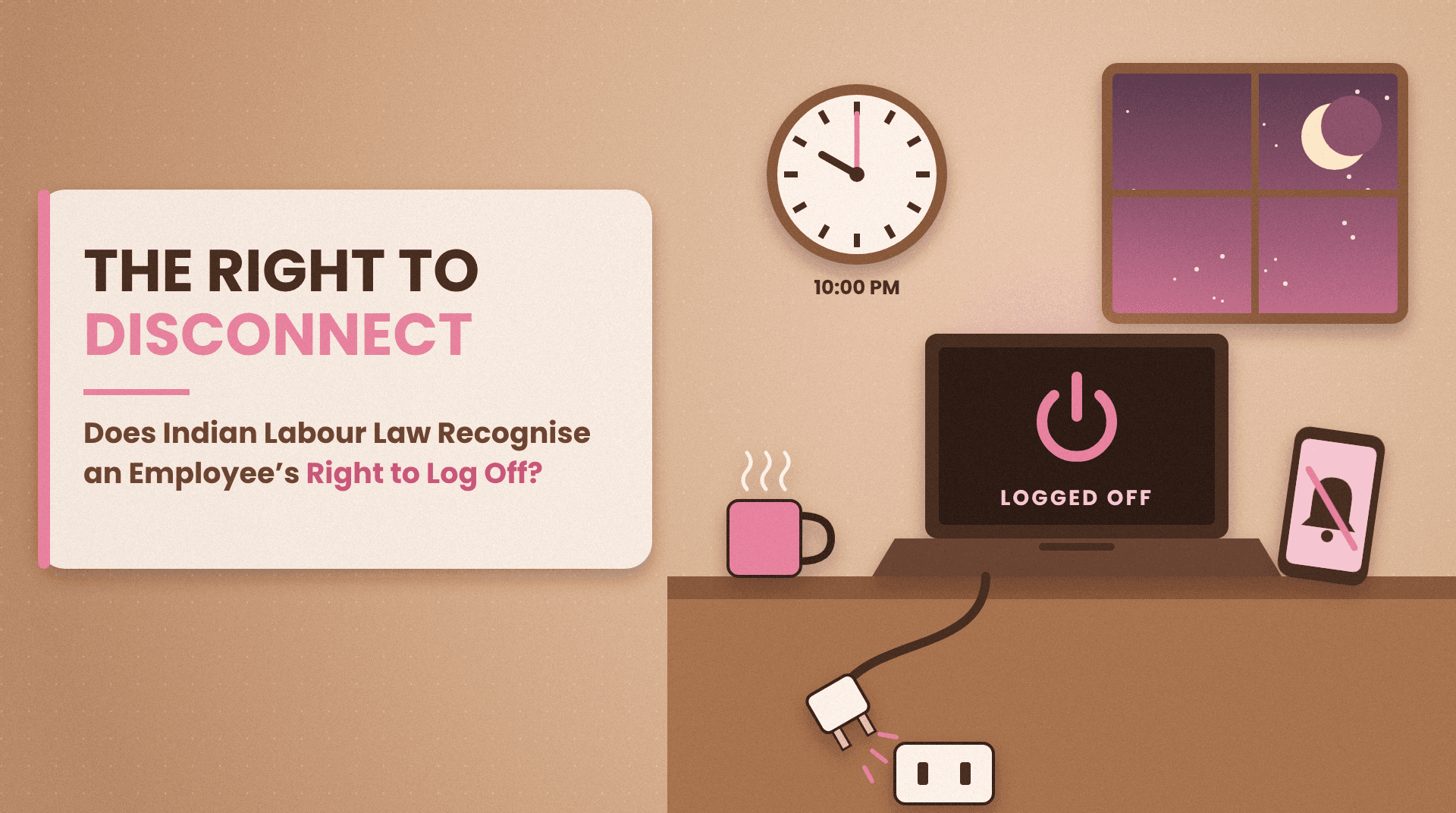
The Workplace That Never Closes
A workday once had a visible boundary: the office closed, employees left, and work generally paused until the next shift. Smartphones, email and messaging platforms have weakened that boundary. A message marked “quick” can arrive at midnight; a remote employee may feel obliged to remain reachable long after logging out. The problem is not every after-hours message. It is the unspoken expectation that an employee must read, acknowledge or act on it.
Constant availability can intrude on rest, family life and personal time, and may contribute to stress and exhaustion. The legal question is therefore whether existing protections regulate only the hours spent performing work, or also the pressure to remain digitally accessible.
What Does Indian Law Actually Protect?
The Constitution does not expressly guarantee a standalone Right to Disconnect. However, Article 21 protects life and personal liberty, and the Supreme Court’s decision in K.S. Puttaswamy v. Union of India recognised privacy as intrinsic to dignity and individual autonomy. In Consumer Education and Research Centre v. Union of India, the Court treated workers’ health and human dignity as dimensions of Article 21. These principles provide a constitutional basis for taking the effects of work on private life seriously; they do not, by themselves, establish an enforceable right to ignore every work communication after hours.
Article 19(1)(g) protects the freedom to practise a profession or carry on an occupation, trade or business. It is relevant to the legitimate interests of employers and employees, but does not settle the precise limits of after-hours contact. The balance must be shaped by legislation, employment terms and reasonable workplace practices.
The Gap Between Working Hours and Digital Availability
The four Labour Codes, including the Occupational Safety, Health and Working Conditions Code, 2020, came into force on 21 November 2025. Section 25 of the OSH Code sets daily working-hour limits, while section 26 addresses weekly and compensatory holidays. Section 27 provides for overtime wages at twice the rate and requires the worker’s consent to overtime. These are meaningful safeguards, but they do not expressly create a general right to refuse routine calls, emails or messages outside working hours.
There is also a coverage point: the Code’s protections operate within its statutory definitions and scope; not every person described colloquially as an employee necessarily falls within the definition of “worker” for every provision. Further, a message is not automatically overtime. Whether it amounts to work, and whether overtime provisions apply, will depend on the actual duties, time spent, applicable rules and the employee’s legal status. The central gap remains: working-hour limits do not clearly answer whether an employee must stay available between shifts.
Learning from Other Jurisdictions
France requires workplace-level negotiation on how employees exercise the right to disconnect and how digital tools are regulated to protect rest, leave and family life. If no agreement is reached, an employer must establish a charter after consulting the relevant employee body. Australia’s Fair Work Act 2009, section 333M allows employees to refuse to monitor, read or respond to out-of-hours contact unless the refusal is unreasonable. Factors include the reason for contact, disruption, compensation, role and personal circumstances. Australia’s model is instructive because it recognises a right with limits, rather than an absolute ban.
A Right to Disconnect, Not a Right to Disengage from Responsibility
India should consider an express, proportionate statutory protection. Employers could be required to adopt written communication policies that identify ordinary contact hours, response expectations and escalation channels. Employees should not face retaliation for declining non-emergency contact outside those hours. Where an employee is genuinely required to work or remain on call, the arrangement should be agreed, recorded and compensated under applicable law.
Exceptions are necessary for emergencies, healthcare, essential services and roles involving time-critical decisions. But “urgent” should not become a label for routine deadlines or poor planning. A workable framework would define emergencies, provide rotating on-call arrangements where needed, preserve overtime and rest entitlements, and offer an internal grievance process. Such rules would protect personal time without preventing businesses from responding to genuine operational needs.
The law already recognises that work must have limits. The next step is to make those limits meaningful in a workplace where the office can follow an employee into every room, and every hour, through a phone.
Author: Ishan Chourasia, Law Student

Shri Vaishnav Institute of Law, SVVV. Indore
Sign in to join the discussion.
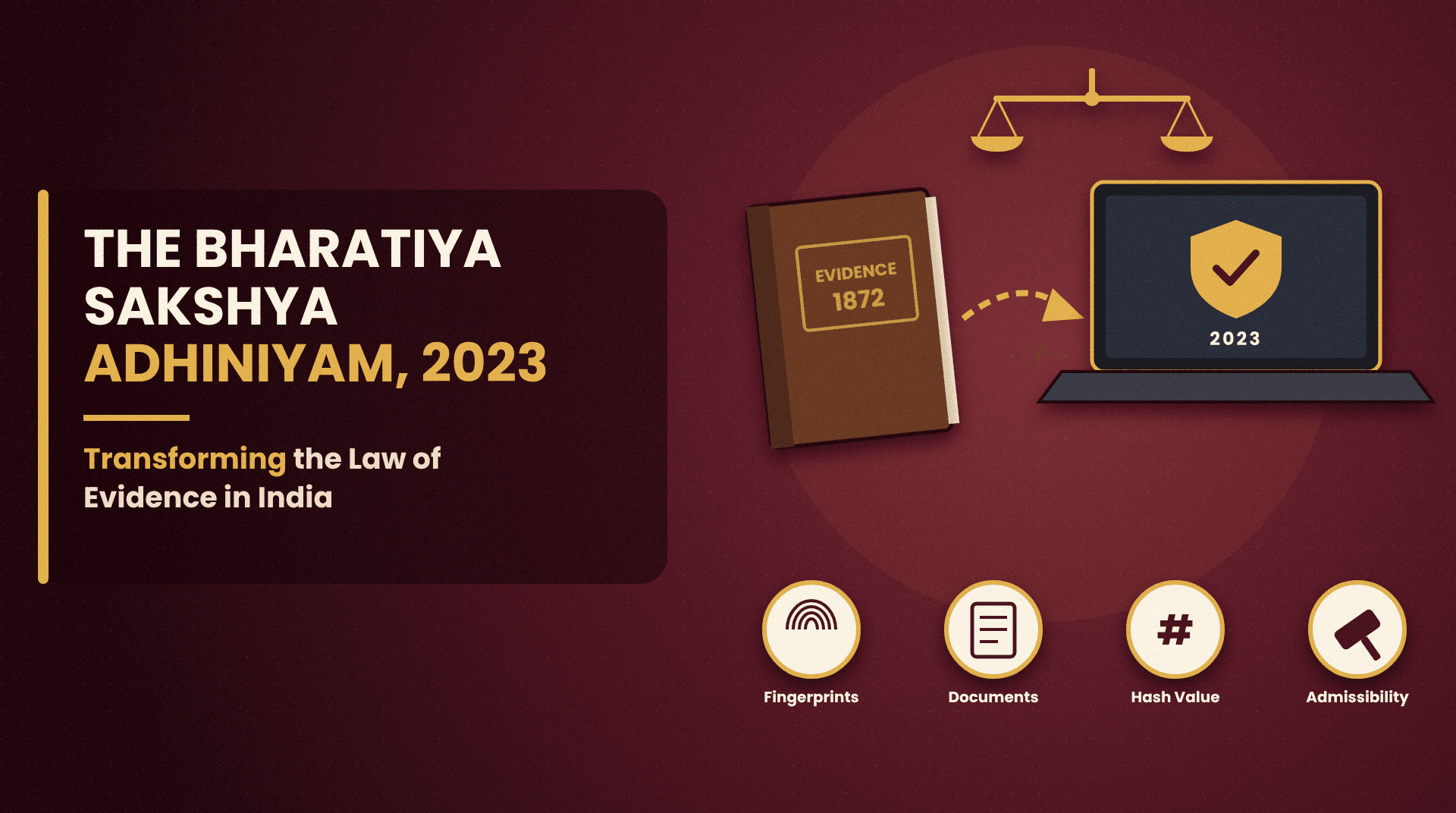
A major issue in digital evidence is the difference between admissibility and reliability.
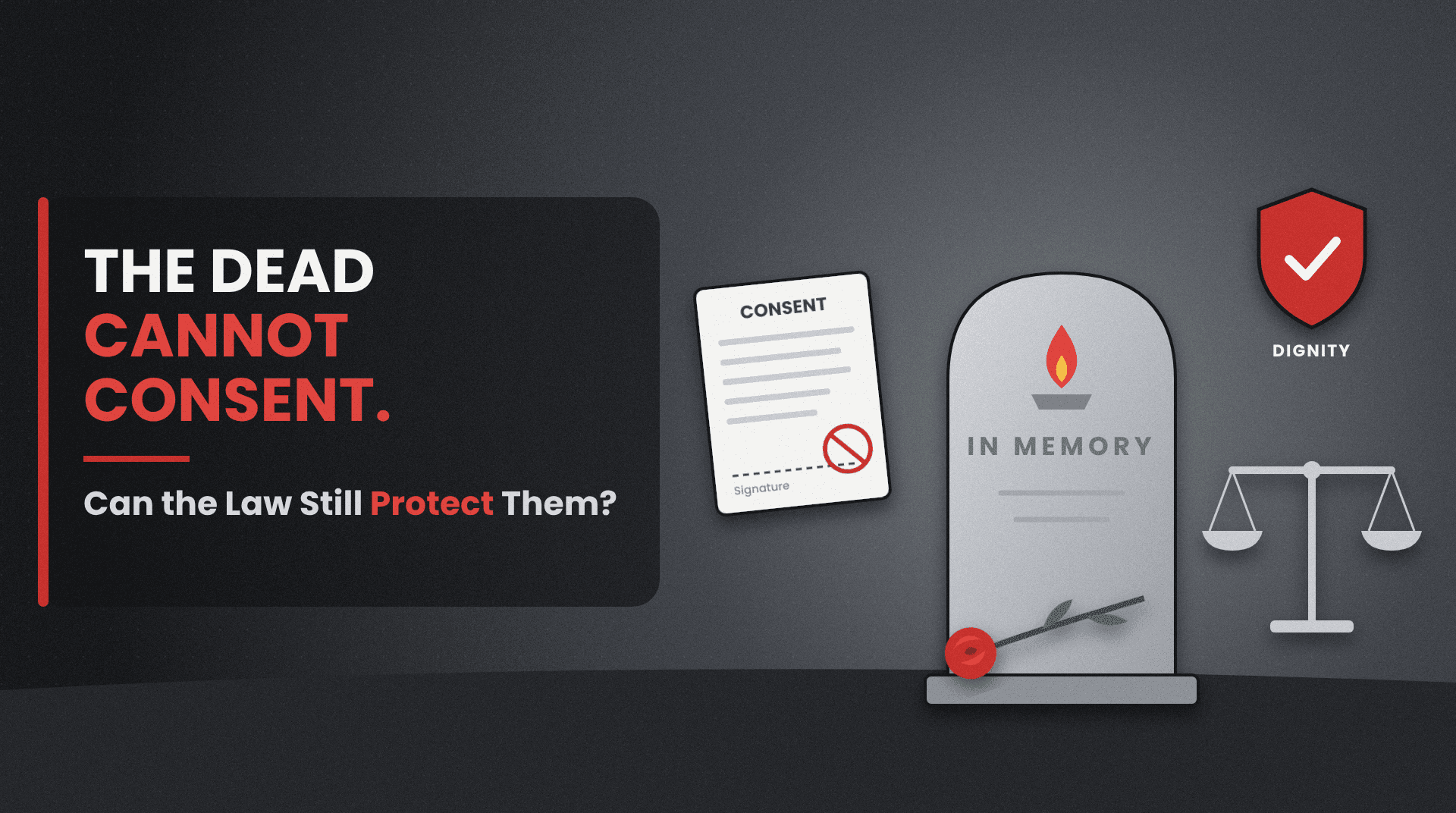
What if someone walks in and decides the dead are simply available?