Blog
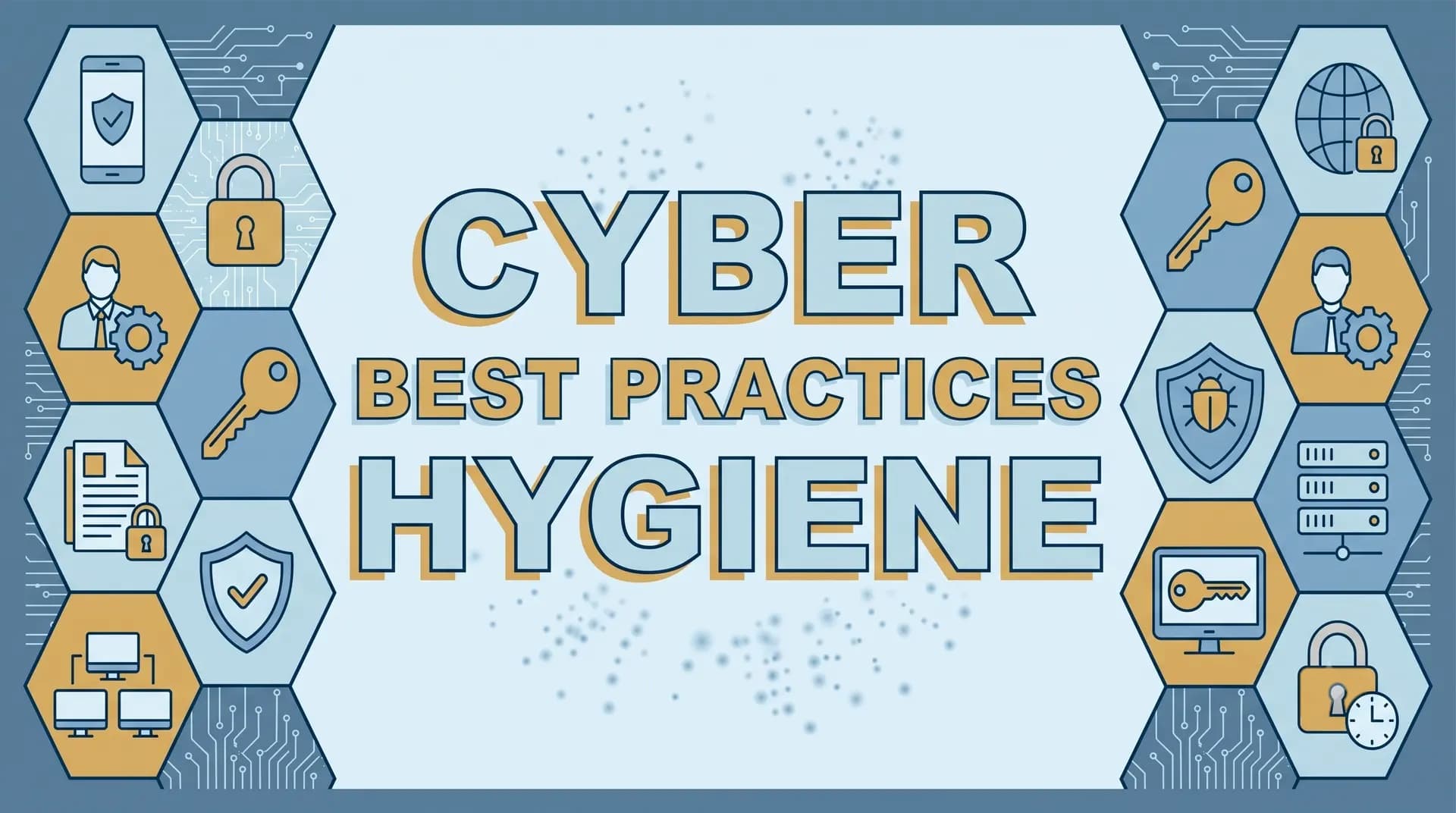
Cybersecurity is no more solely a technical problem but rather a legal and governance issue. The everyday practices, like using strong passwords, regularly updating applications, securing important information, protecting data from unauthorized access, and reporting cybercrimes, have been termed as “cyber hygiene.”
Imagine trusting a company with your savings, only to find out later that its account books were cooked up to hide losses and inflate profits. This is not a rare nightmare; it happened in India in one of the most talked-about scandals in corporate history, the Satyam scam, where a company's chairman admitted to falsifying financial records worth thousands of crores of rupees.
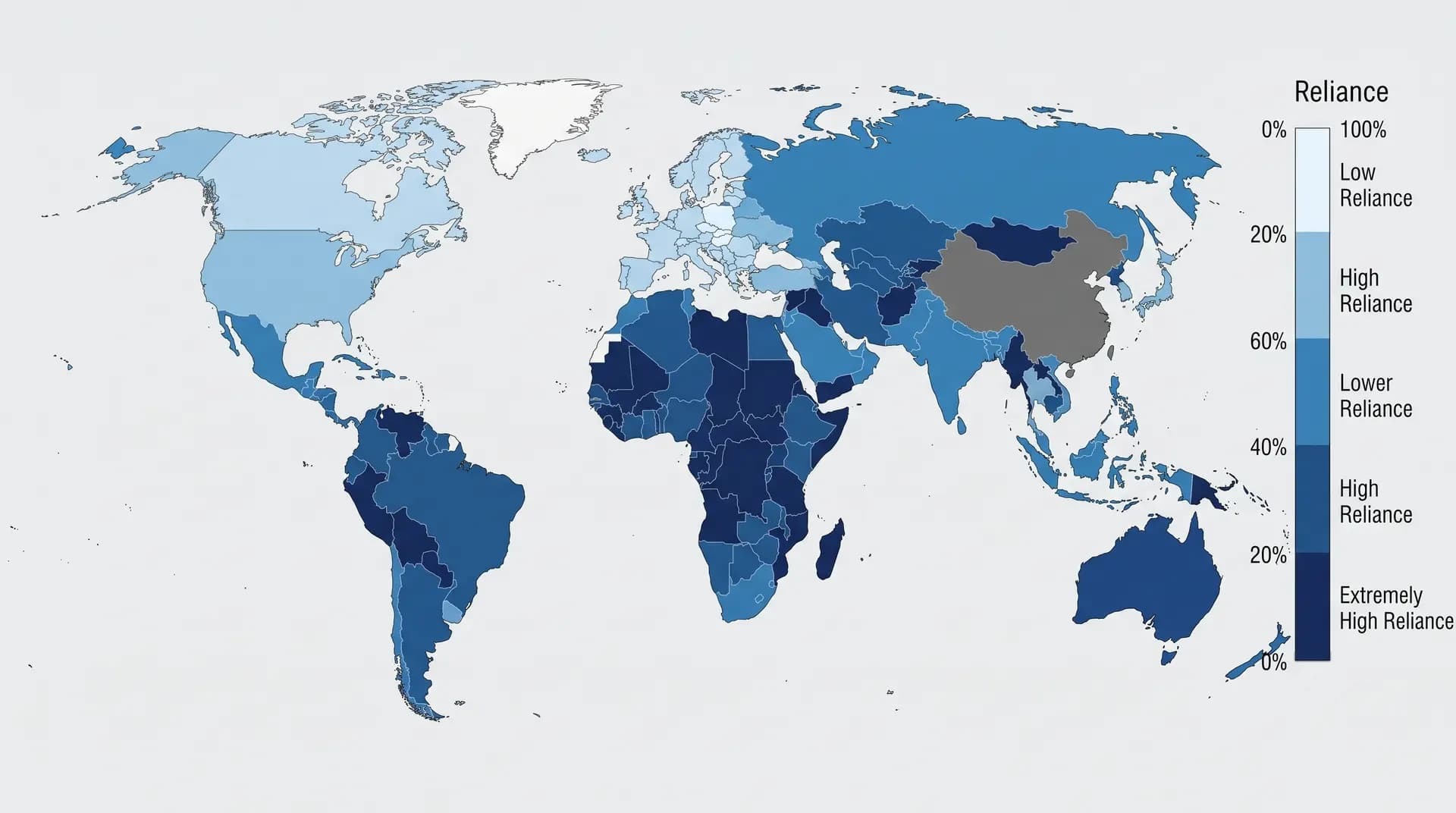
Federal Indian law occupies a strange position within the American constitutional order, a body of doctrine that governs the relationship between the United States and several hundred sovereign nations that predate the Constitution itself, and that does so through a set of founding principles so openly compromised at their origin that later courts have never fully escaped their logic, even when reaching for more protective results.
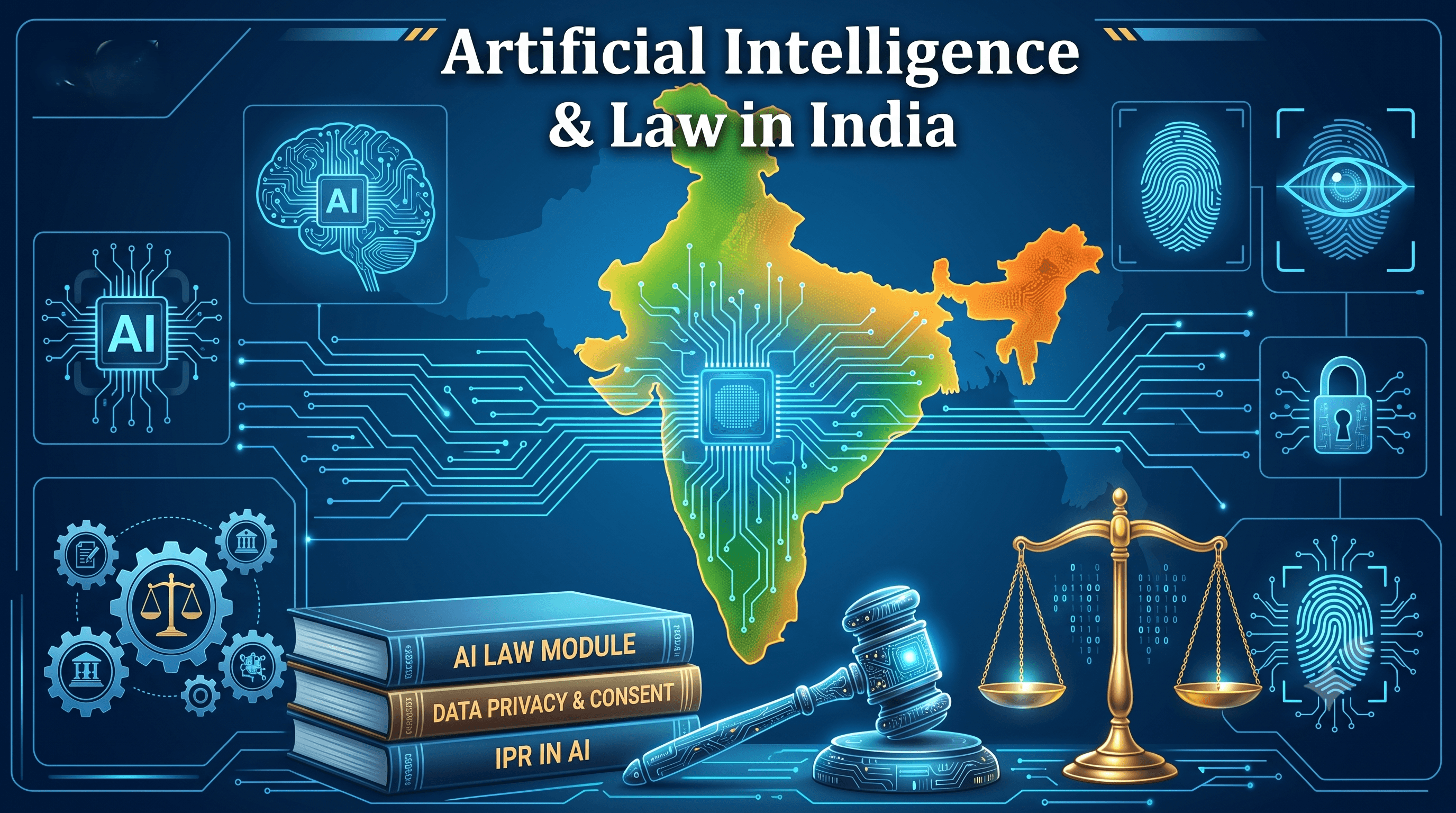
Artificial Intelligence (AI) is one of the most transformative technologies of the twenty-first century. It enables computers and machines to perform tasks that normally require human intelligence, such as learning, problem-solving, decision-making, and data analysis.

A trademark isn’t just a logo or a catchy name. It’s more like a legal promise about origin, a signal to the public that a product or service comes from one specific, identifiable source.
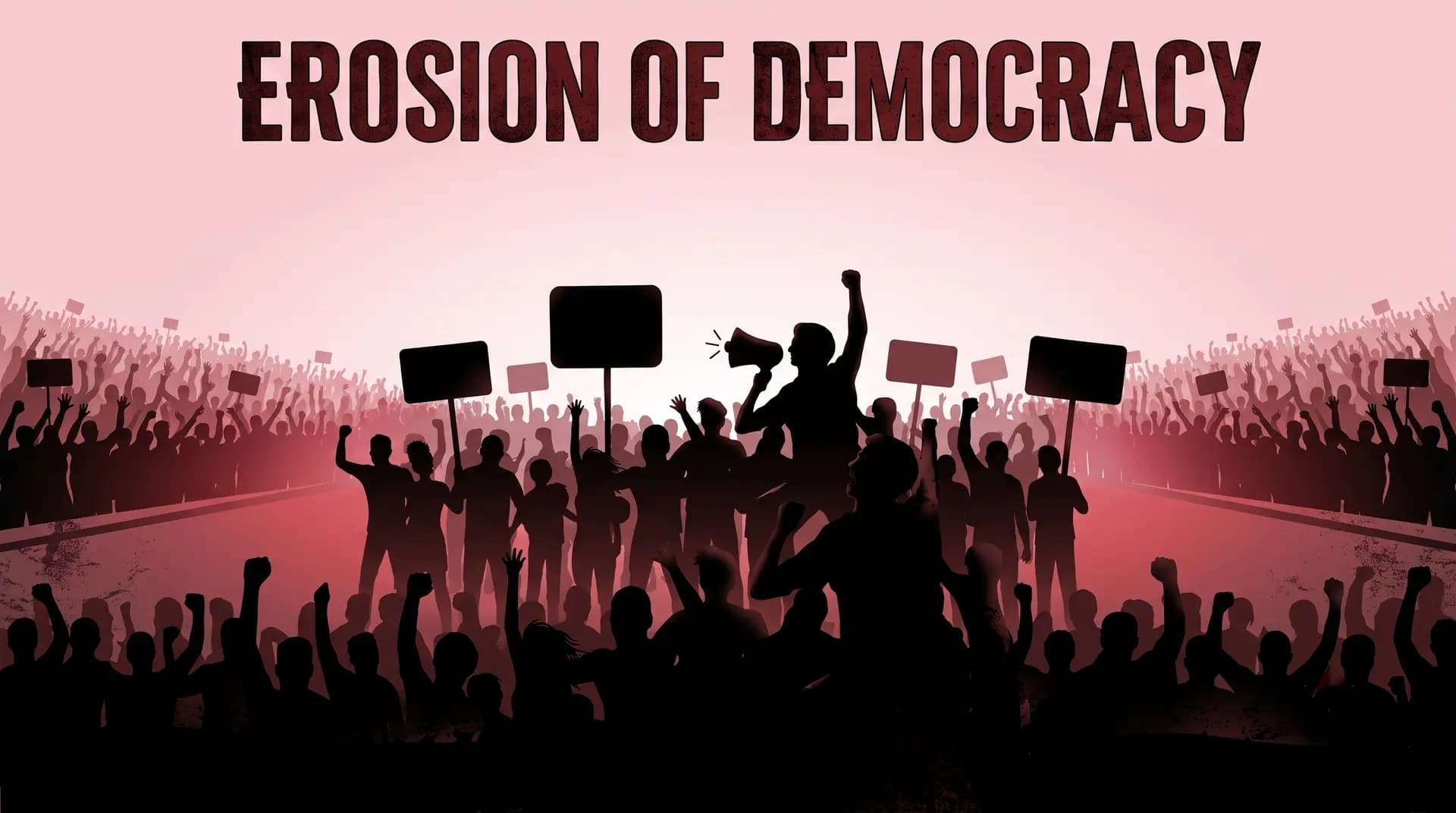
Democracy is widely regarded as the Government of the people, by the people, for the people - As former American President Abraham Lincoln famously expressed almost one and a half century ago.

Waqf act became a topic of debate between the political parties with different ideologies and people of different community. Though for the welfare of society the bill receives the presidents' assents and become act. This act is not a discriminatory act towards one community, but it provides standardize measure to the old way of keeping record of all the waqf property at one place. It also brings transparency and accountability to the whole process.
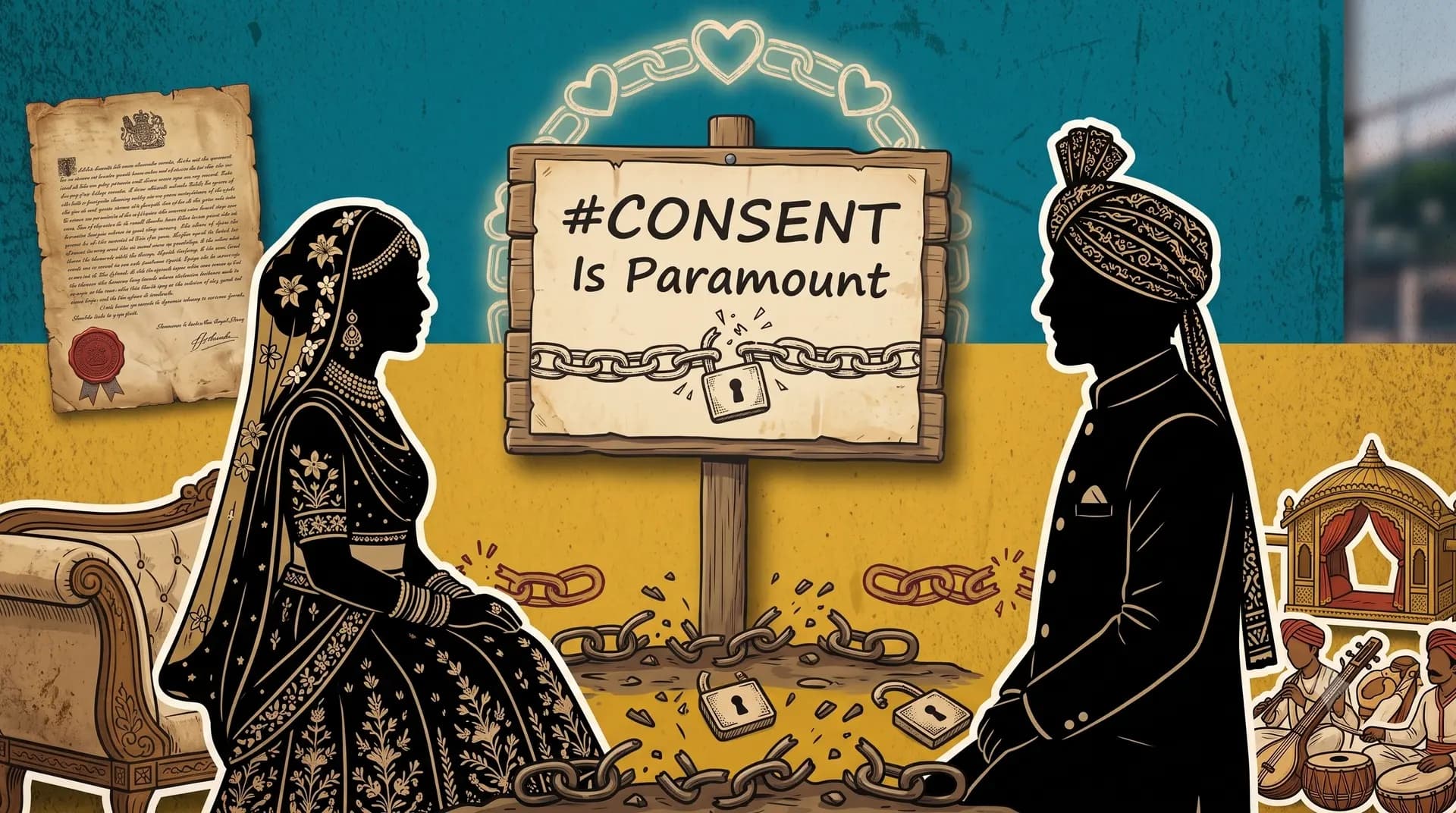
An examination of the marital rape exception under Articles 14, 15 and 21, judicial developments, and the position under the Bharatiya Nyaya Sanhita.
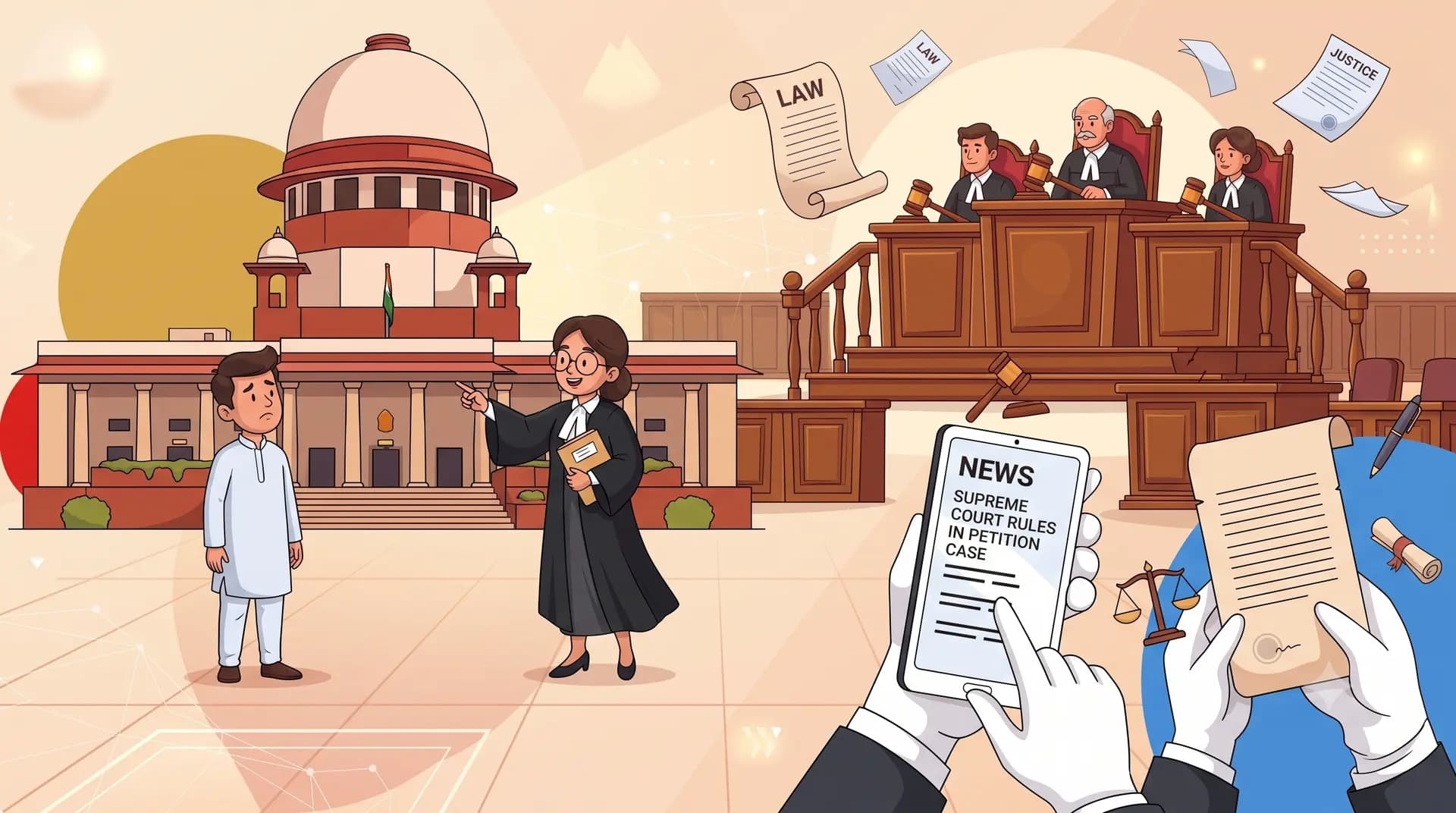
In this generation, cyber frauds and scams are on a constant rise. To give a brief definition, online scams are deceptions through digital means to gain monetary or personal data.
Professionals are increasingly becoming aware of the fact that trauma among victims is not a rare occurrence. Such victims show distinct deviations from the ‘ideal victim’ standards currently being heavily relied upon by the judiciary.
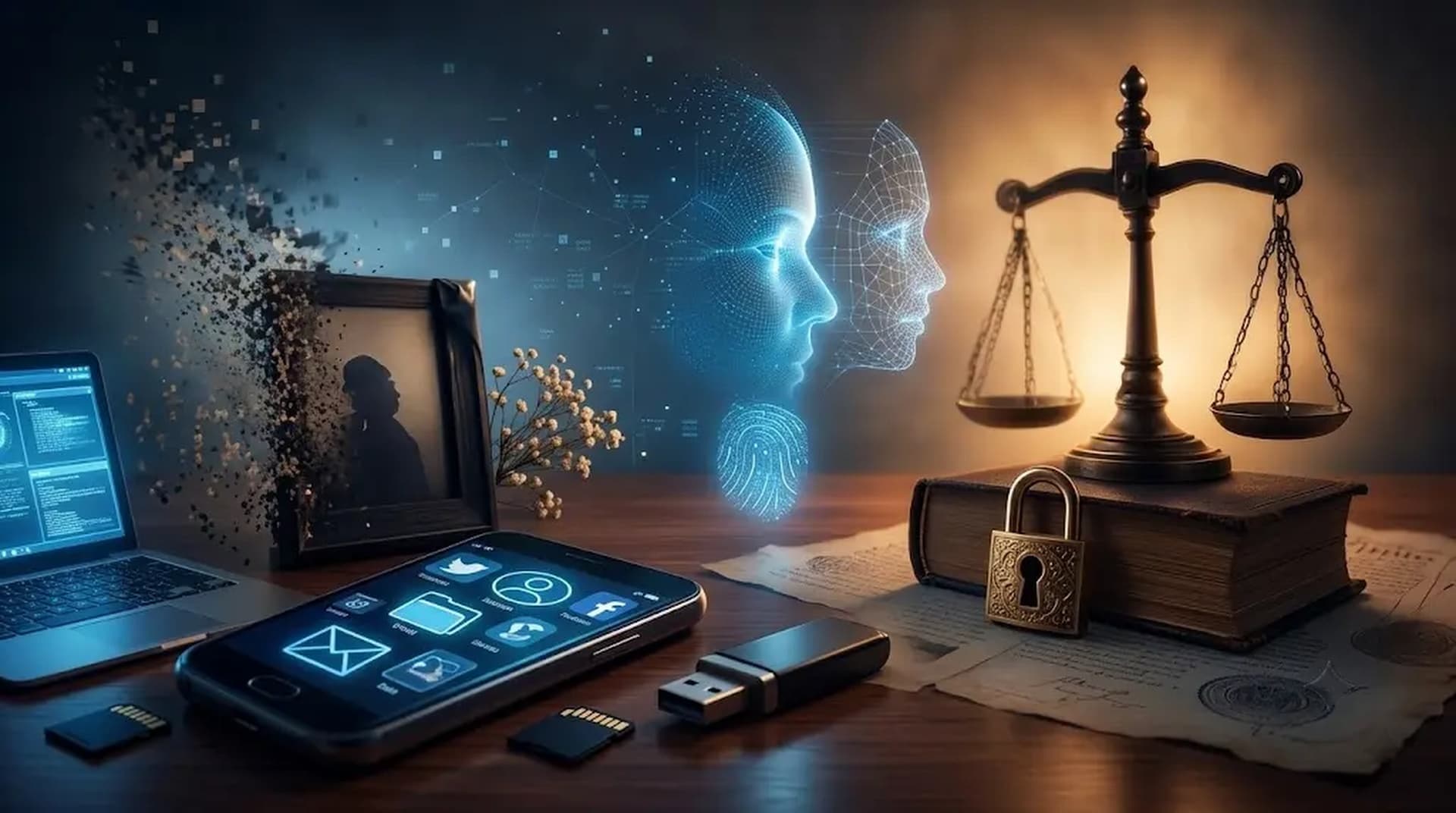
Death no longer ends a person’s digital presence; their data, voice, and identity can persist and even be reanimated through AI. As digital remains outlive the body, the law faces new questions about privacy, ownership, consent, and posthumous identity.
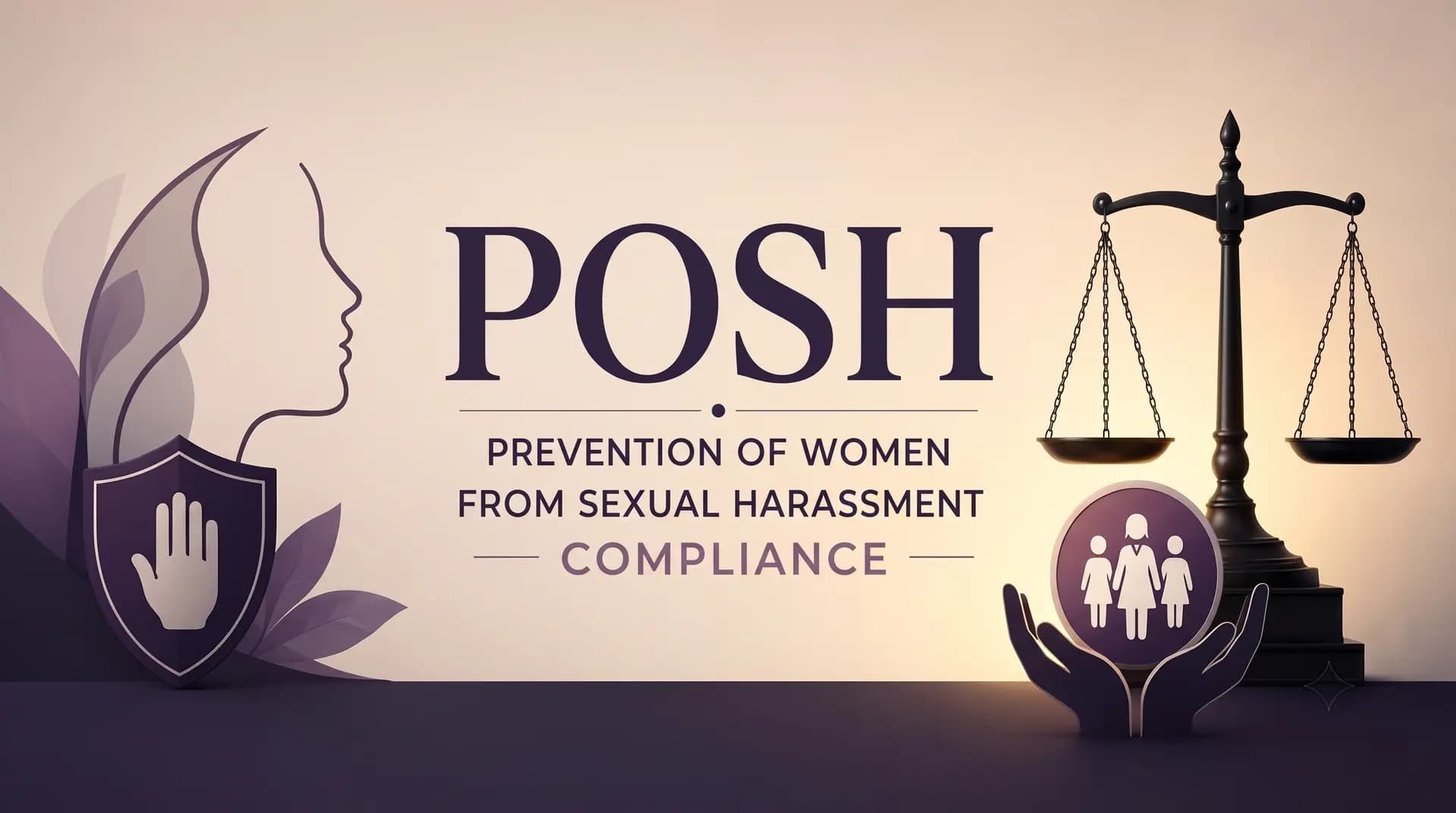
The POSH Act is not merely a complaint and inquiry mechanism, it places a proactive duty on employers to prevent harassment, create awareness, and ensure fair and confidential proceedings.