

Precedent Tracking
Landmark judgments and how they shape the law
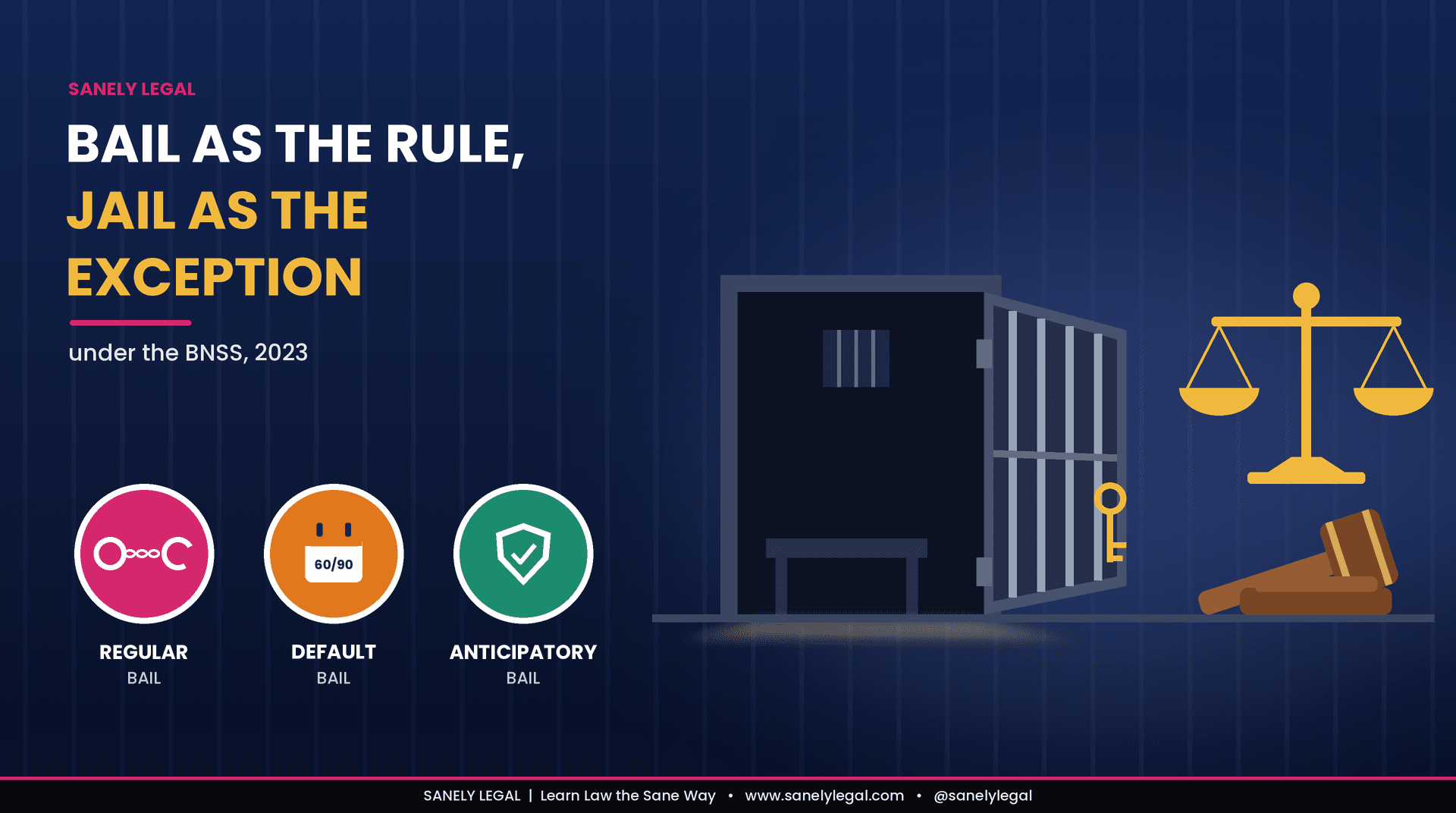
Bail as the Rule,Jail as the exception:Regular,Default and anticipatory Bail under the Bhartiya Nagrik Suraksha Sanhita,2023
The idea that bail is rule and jail is the exception was started by the supreme court for the first time in clear terms State of Rajasthan v. Balchaaand (1977) 4 SCC 308[Case1.1],and it has since become the starting point of every bail discussion.It is a rule that comes from Article 21 of the constitution.
Freedom of Religion and the Essential Religious Practices Doctrine under Articles 25 and 26 of the Constitution of India
Religious liberty in India is not framed as an unqualified institutional privilege. Articles 25 and 26 protect both individual conscience and collective religious autonomy, while making that protection subject to express constitutional limits and, in different ways, to other provisions of Part III. Article 25 speaks of "all persons"; Article 26 speaks of "every religious denomination or any section thereof".
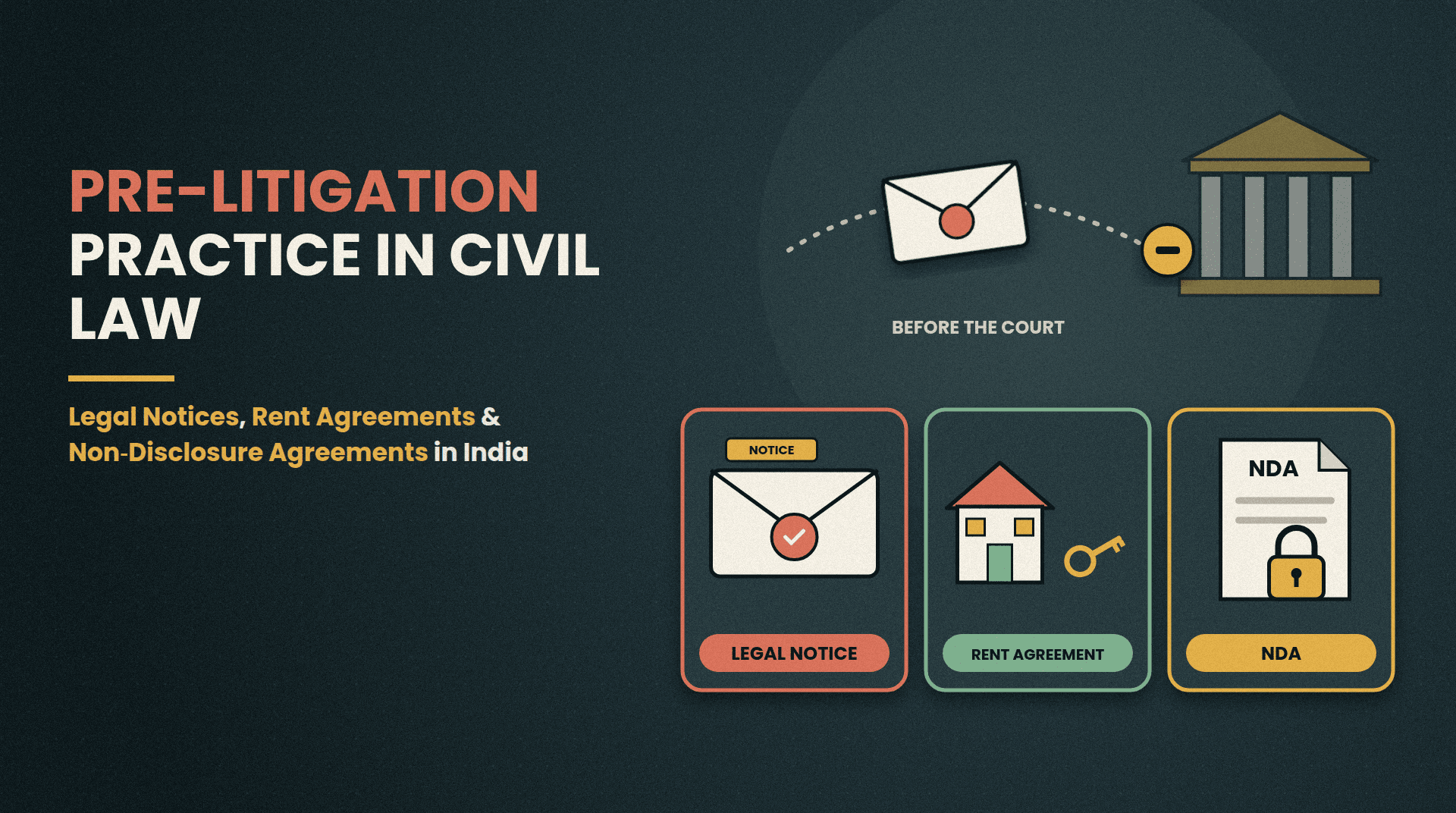
Pre-Litigation Practice in Civil Law: Legal Notices, Rent Agreements and Non-Disclosure Agreements in India
The importance of the pre-litigation stage becomes clearer when different statutory requirements are considered. Section 80 of the Code of Civil Procedure, 1908 imposes a specific notice requirement in suits against the Government or public officers. In commercial disputes, Section 12A of the Commercial Courts Act, 2015 introduces a separate statutory pre-institution mediation requirement for suits that do not contemplate urgent interim relief.
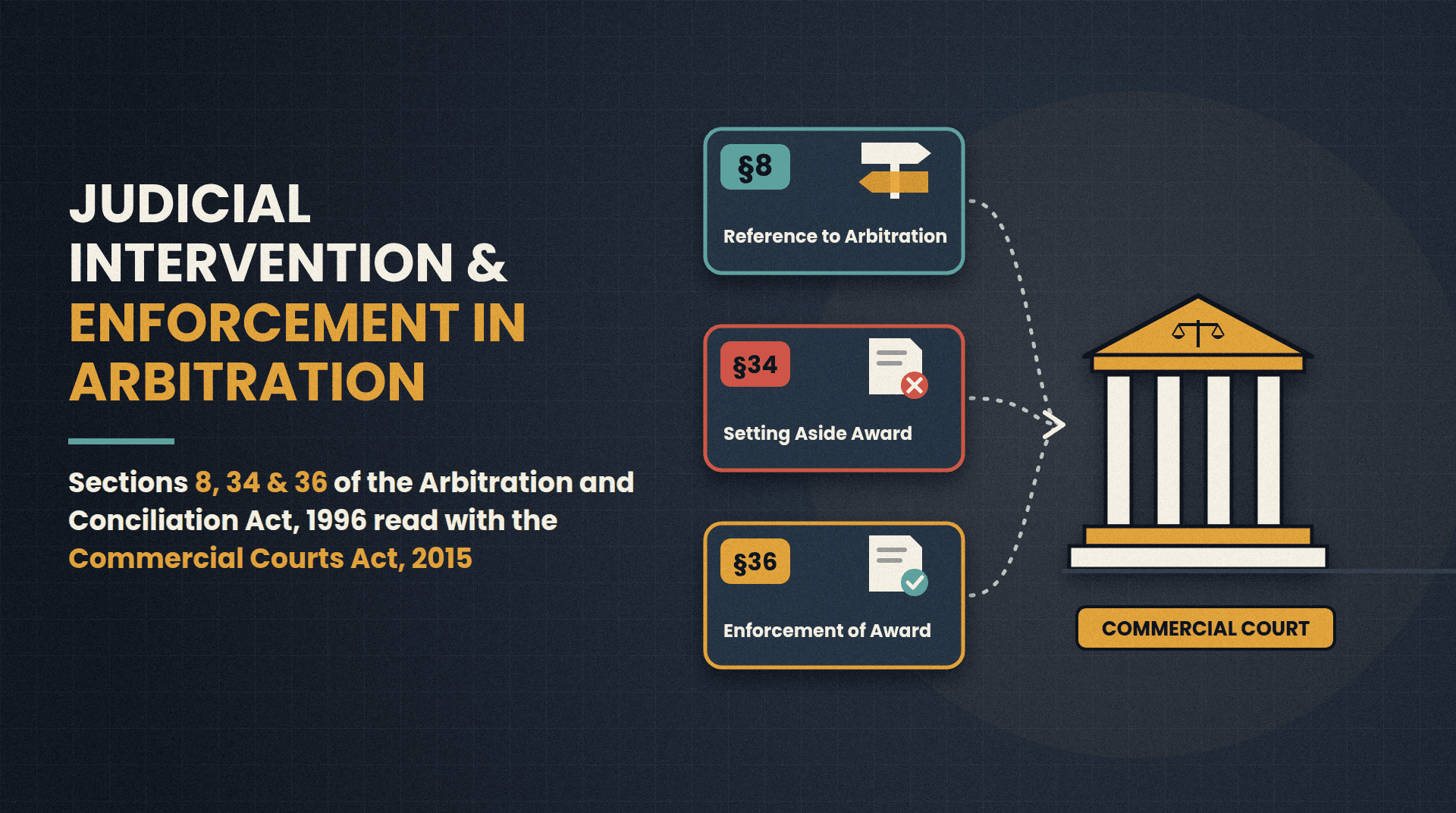
Judicial Intervention and Enforcement in Arbitration: Sections 8, 34 and 36 of the Arbitration and Conciliation Act, 1996 read with the Commercial Courts Act, 2015
ection 8 of the Arbitration and Conciliation Act, 1996 casts a positive, mandatory obligation on a judicial authority to refer parties to arbitration where the subject matter of the action before it is covered by a valid arbitration agreement, provided an application is made not later than the date of submitting the first statement on the substance of the dispute.
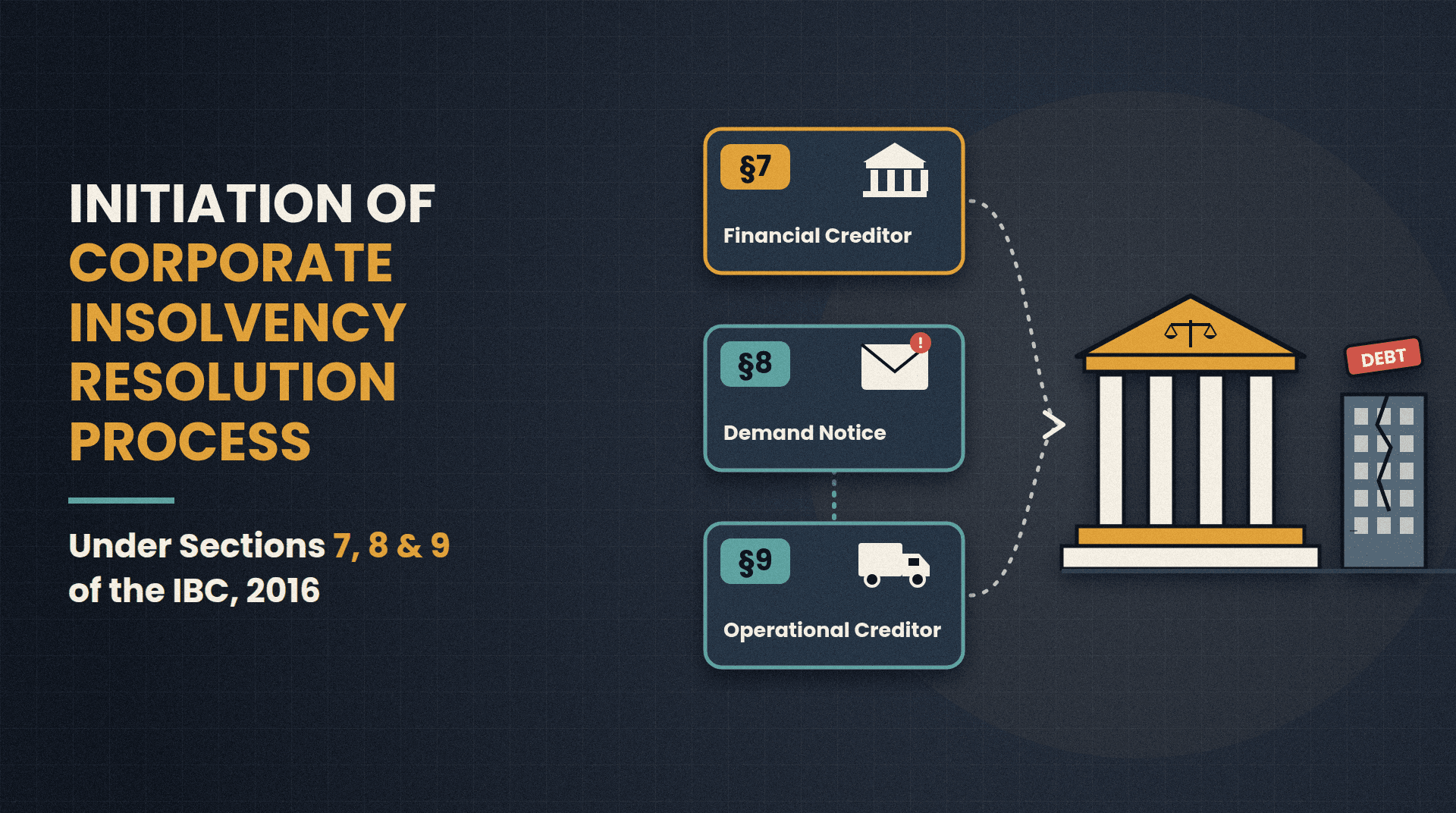
Initiation of Corporate Insolvency Resolution Process under Sections 7, 8 and 9 of the IBC, 2016
The Insolvency and Bankruptcy Code, 2016 (IBC) establishes a creditor in control, trigger-based mechanism for resolving corporate distress. However, the architecture governing initiation differs fundamentally depending on the class of applicant, Financial Creditors under Section 7, Operational Creditors under Section 9 (preceded by a mandatory demand notice under Section 8), and Corporate Applicants under Section 10.
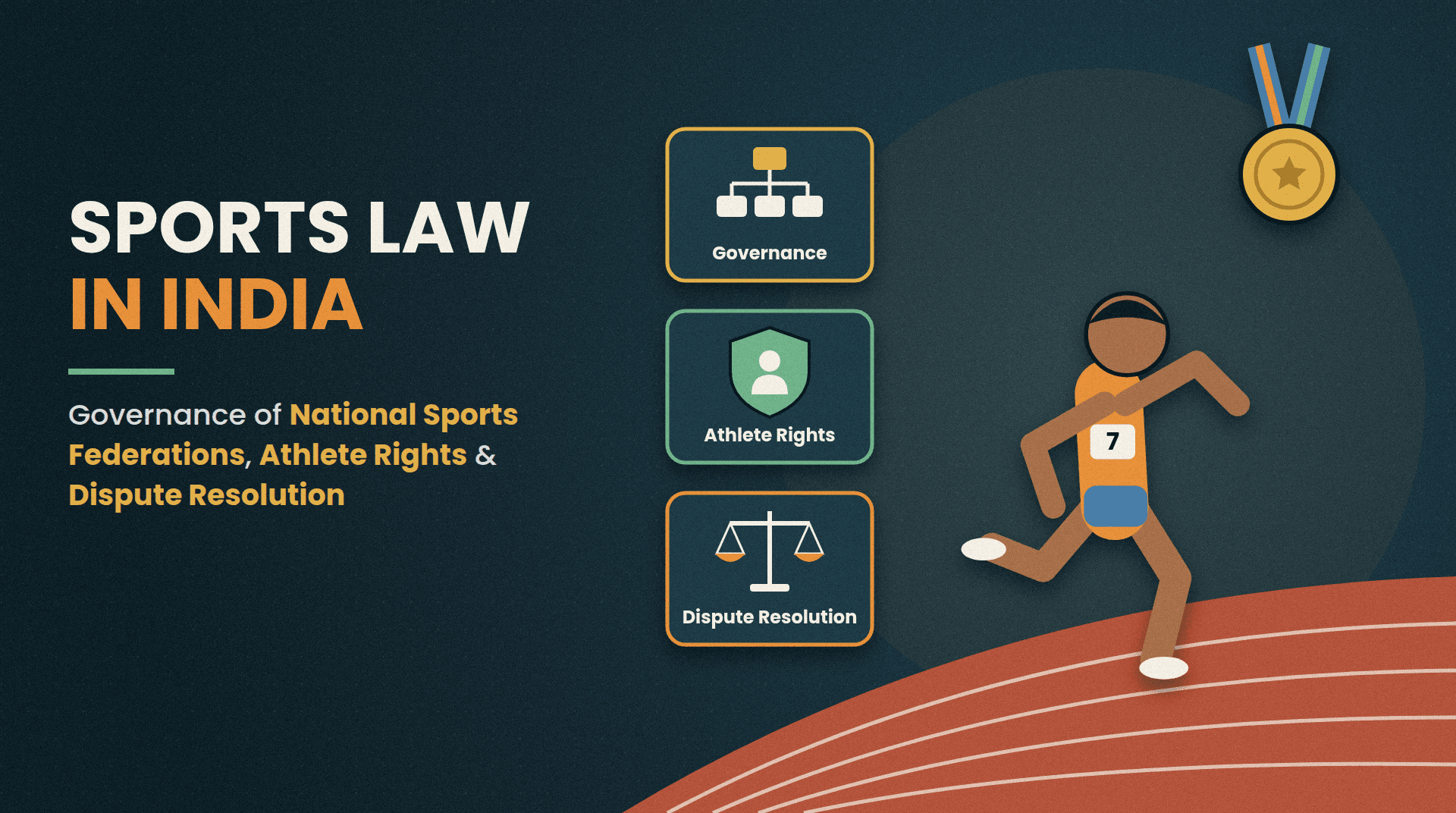
Sports Law in India: Governance of National Sports Federations, Athlete Rights and Dispute Resolution
A fundamental right of participation in games or representing India in certain competitions cannot be derived from the provisions of the Constitution. Even so, the governance of sports is governed by constitutional principles where it impinges upon equality, dignity, livelihood, reputation, or access to public opportunities.
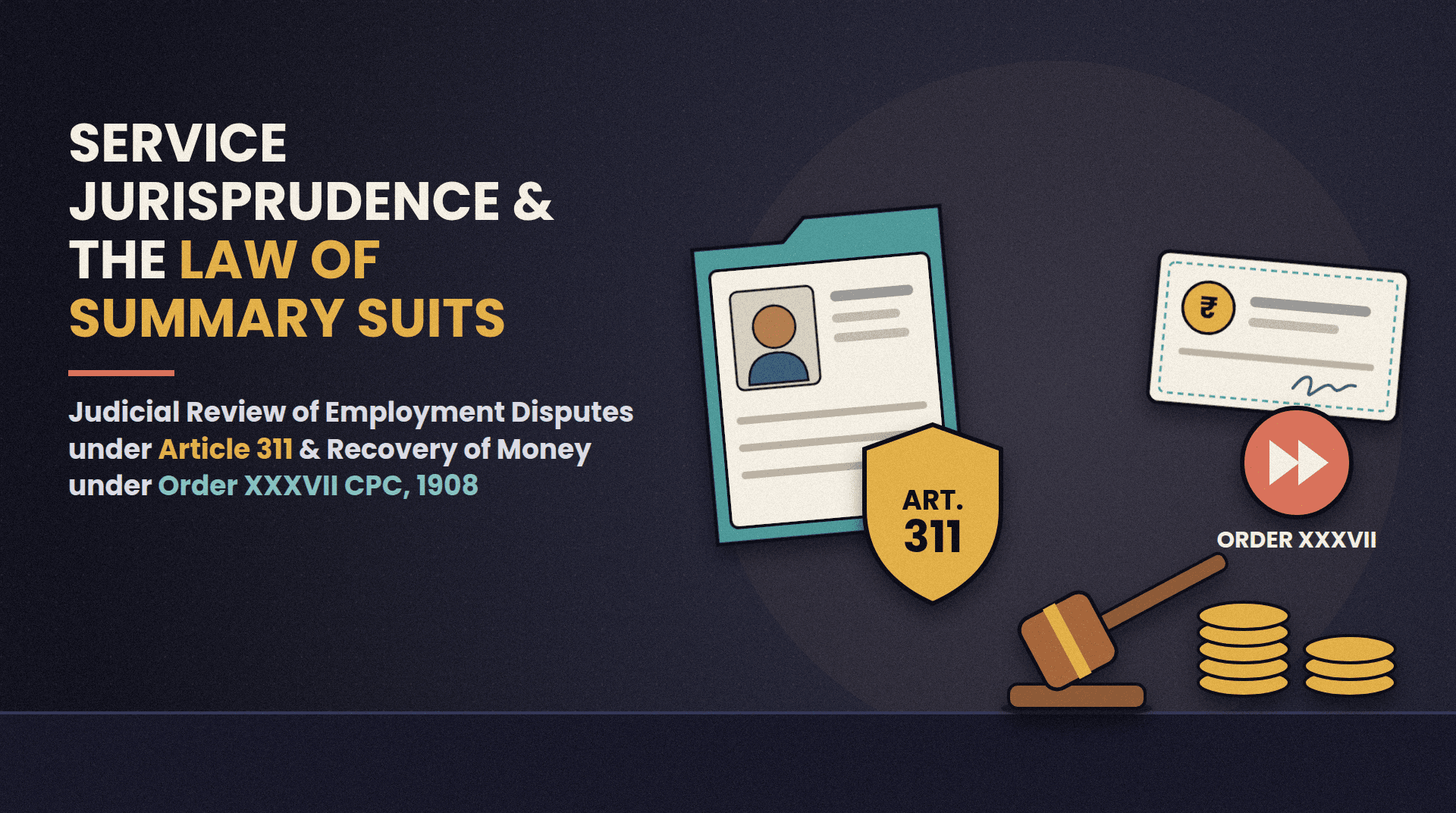
Service Jurisprudence and the Law of Summary Suits: Judicial Review of Employment Disputes under Article 311 and Recovery of Money under Order XXXVII CPC, 1908
This rule became the basis of today's review test in B.C. Chaturvedi v. Union of India (1995), according to which judicial review is concerned not with the decision but with the process of making the decision, checking whether the inquiry was conducted within official statutory framework and in accordance with the basic requirements of fairness.
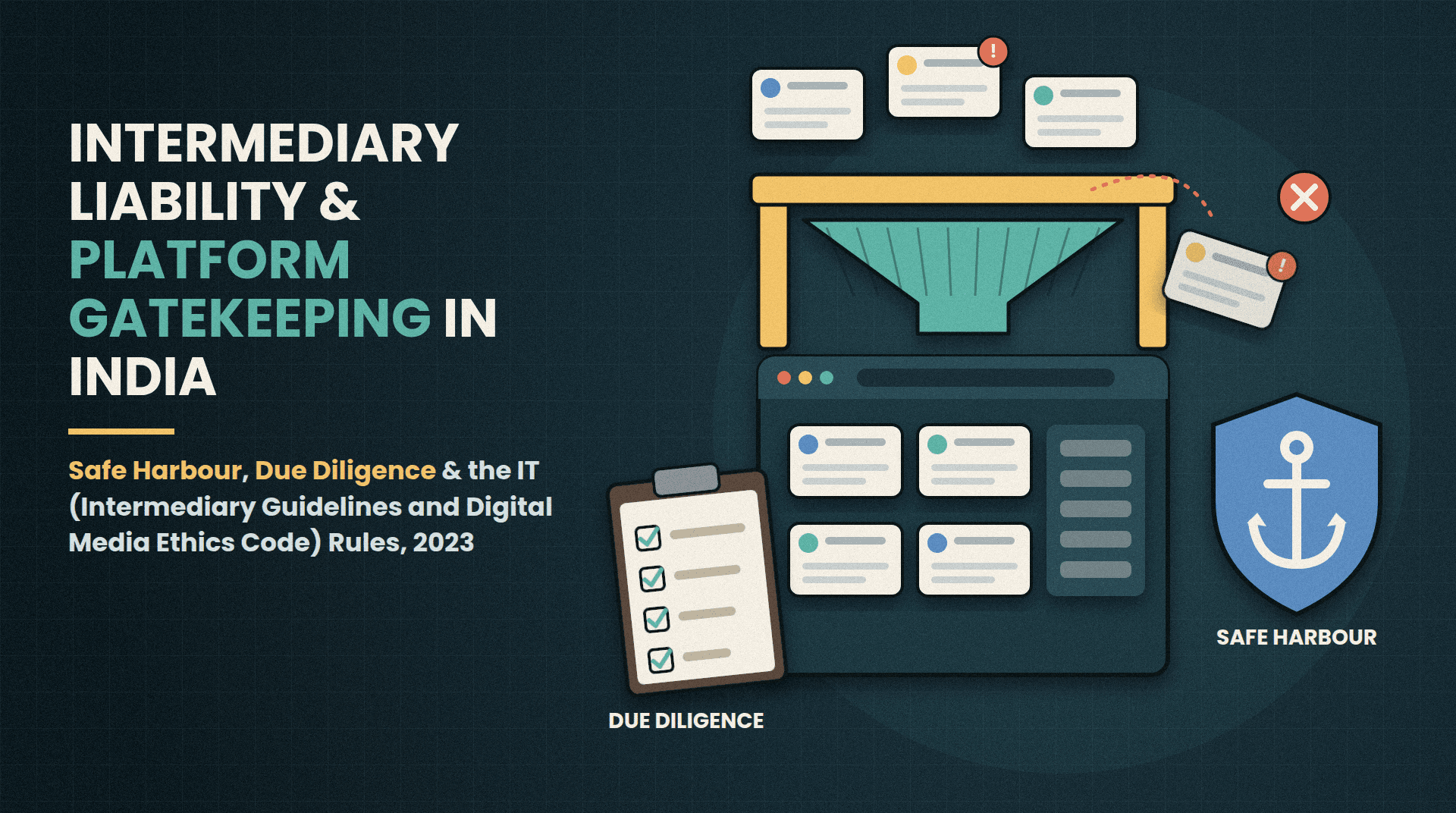
Intermediary Liability and Platform Gatekeeping in India: Safe Harbour, Due Diligence and the IT (Intermediary Guidelines and Digital Media Ethics Code) Rules, 2023
Considering the initial provisions of Section 79 of the IT Act, 2000, safe harbour provisions were limited and strict. To avail protection from liability, an intermediary needed to prove that the offense or contravention occurred without his knowledge and that he had taken due diligence to prevent such offense.
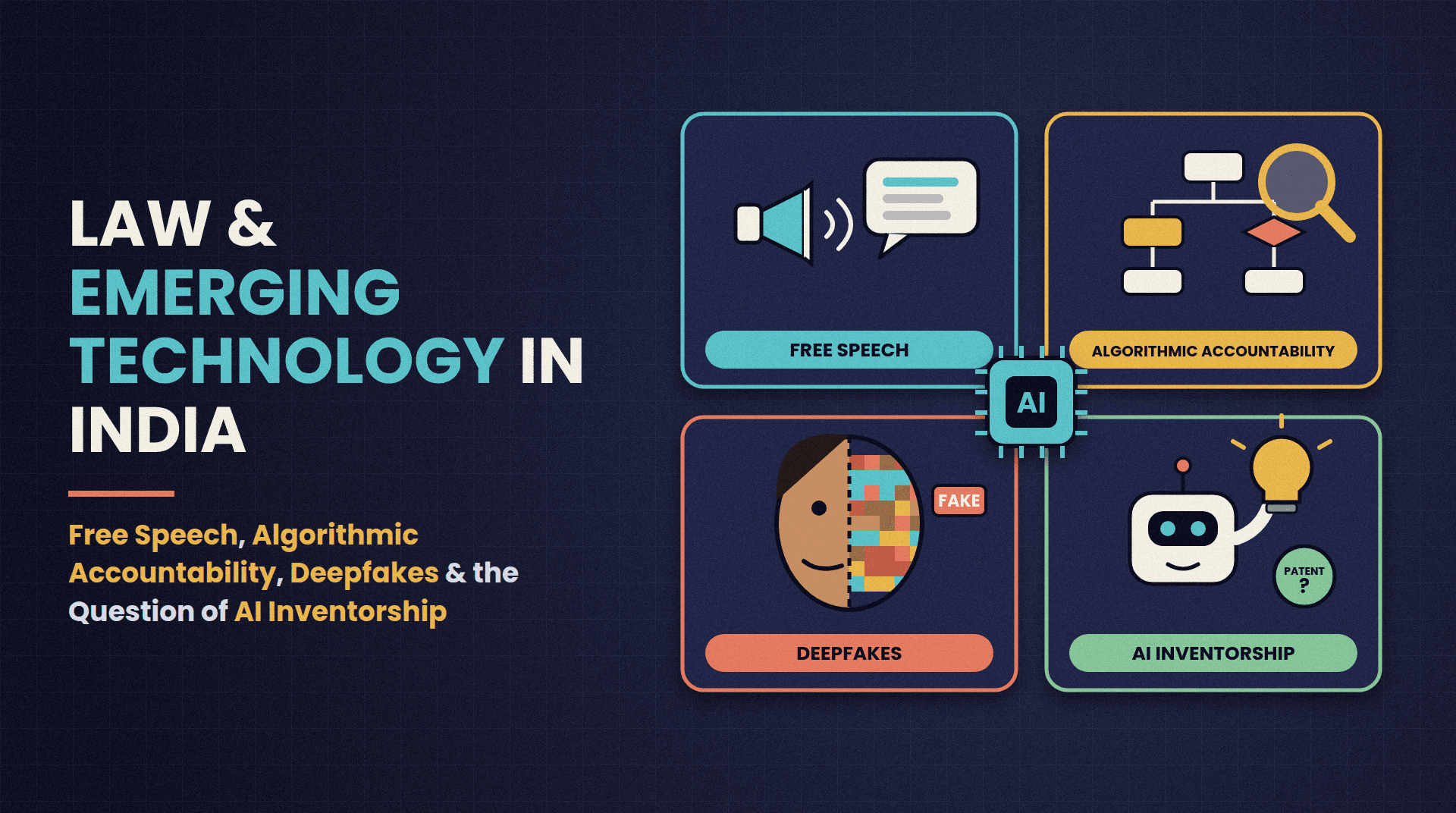
Law and Emerging Technology in India: Free Speech, Algorithmic Accountability, Deepfakes and the Question of AI Inventorship
This memorandum contends that digital and AI technologies have created constitutional and IP challenges that have forced Indian law to react in unbalanced ways, developing the law comprehensively and firmly in some instances (free speech, proportionality, manifest arbitrariness) and more thinly and reactively in others (harm inflicted by deepfakes, by opacity of algorithms, by inventing without human authorship).
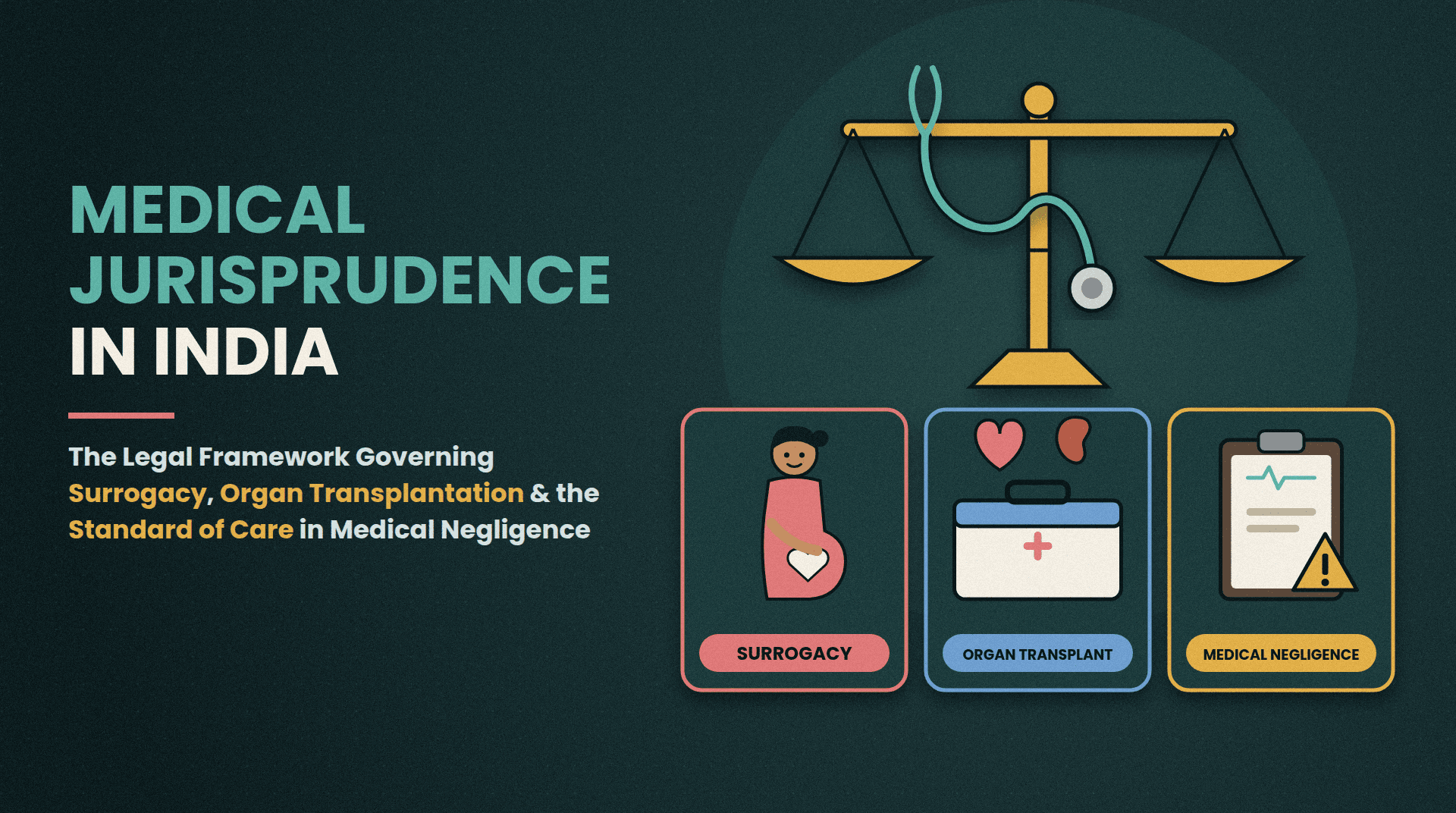
Medical Jurisprudence in India the Legal Framework Governing Surrogacy, Organ Transplantation, and the Standard of Care in Medical Negligence
The basis is pragmatic as opposed to merely linguistic. Civil liability, in essence, provides recompense to the victim for injury sustained as a result of deviation, however minimal, from the reasonable standard of professional skill and care, and is proven beyond reasonable doubt. On the other hand, criminal liability treats the errant doctor as a criminal and renders him liable to punishment in the form of imprisonment.
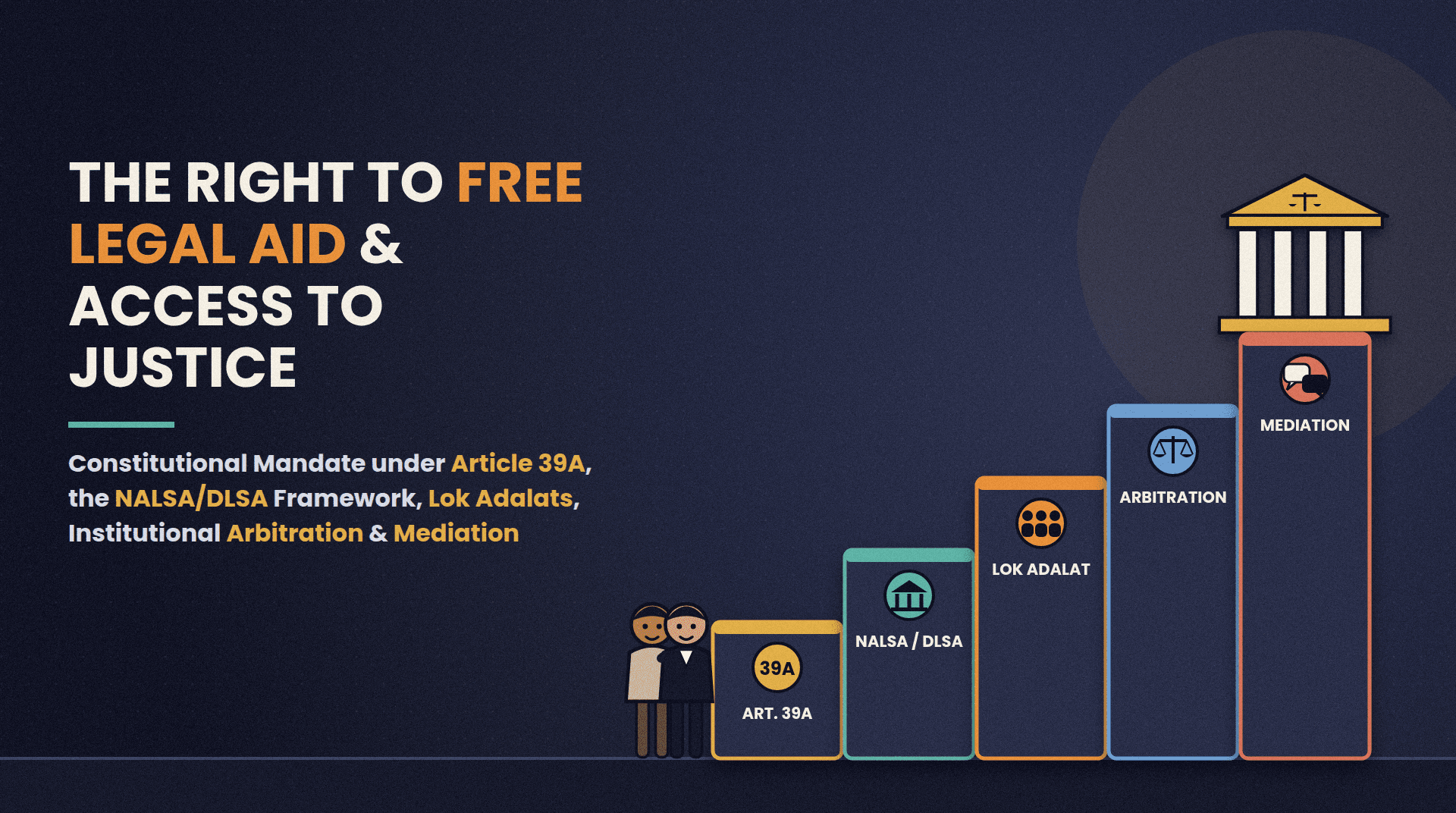
The Right to Free Legal Aid and Access to Justice: Constitutional Mandate under Article 39A, the NALSA/DLSA Framework, Lok Adalats, Institutional Arbitration and Mediation
A brief introduction of the United States’ jurisprudence of legal aid, beginning with Powell v. Alabama in 1932 popularly known as the Scottsboro Boys case where a group of 9 African American teenagers were accused of raping 2 white women on a train near Scottsboro
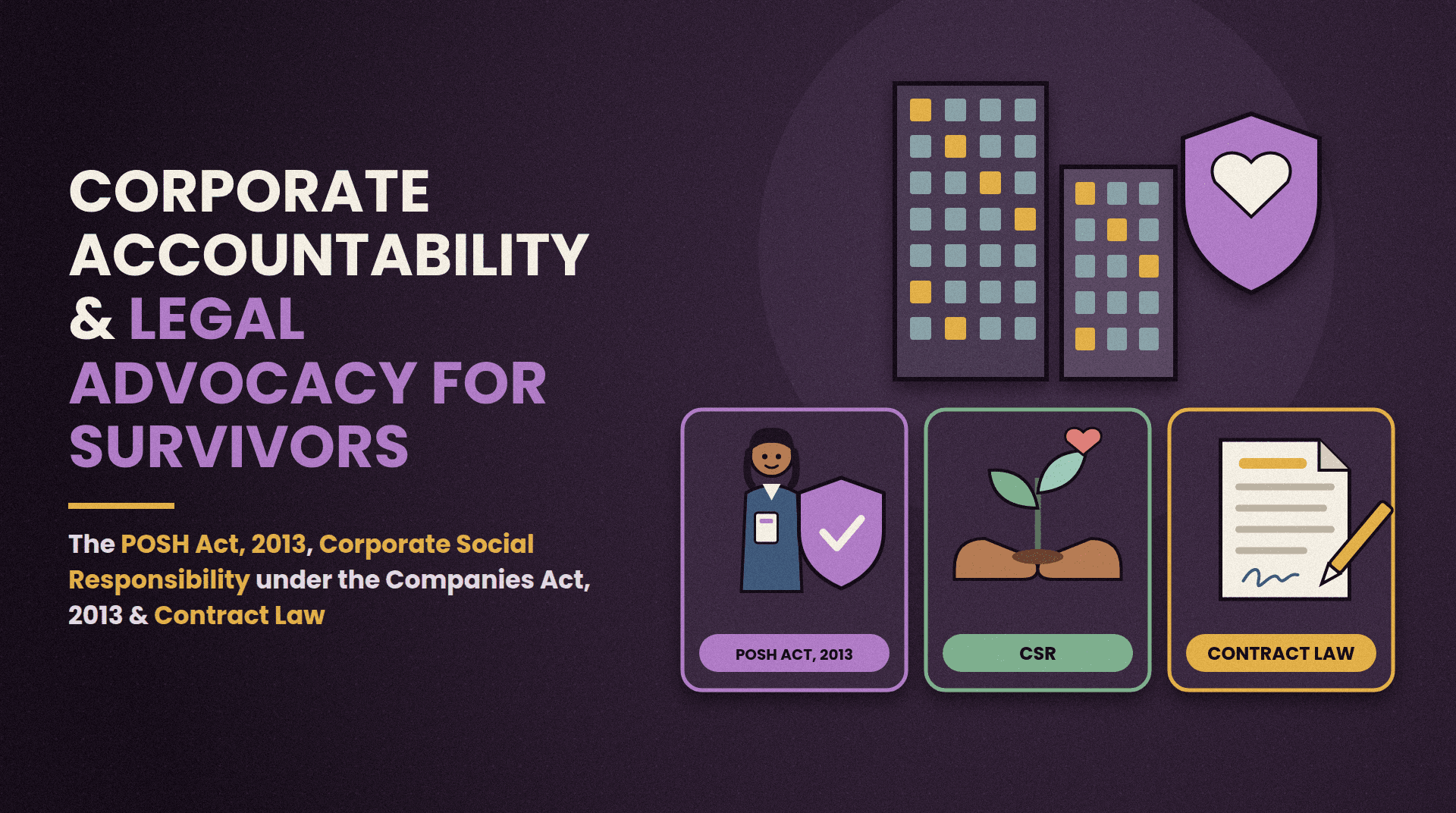
Corporate Accountability and Legal Advocacy for Survivors the POSH Act, 2013, Corporate Social Responsibility under the Companies Act, 2013, and Contract Law
India did not have a single law that dealt with sexual harassment at work. Still the legal system had guarantees and criminal rules that could tackle certain kinds of wrongdoing. Article 14 states that every person should be treated equally under the law and enjoy equal protection.