

Legislative and Regulatory Tracking
Bills, amendments, and regulations to watch
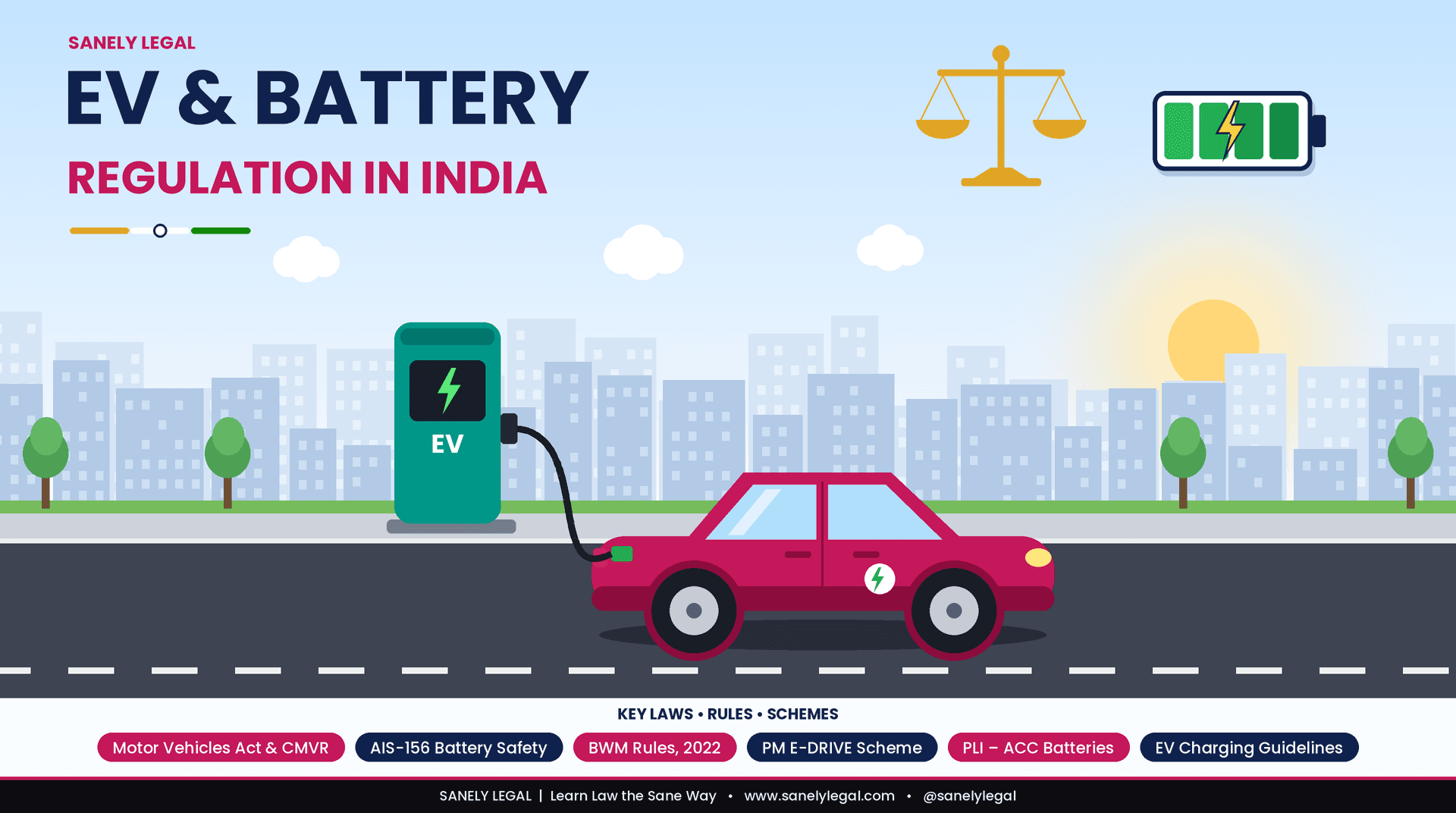
EV & BATTERY Regulation in India
India's EV policy began with an approach that treated electric and hybrid mobility as a national industrial and transport question. The National Mission for Electric Mobility was approved in 2011, followed by the National Electric Mobility Mission Plan 2020, launched in January 2013. The Plan was intended to create a long-term path for adoption, domestic capability, research and development, testing, charging and supply-side support.
Indian Space Policy 2023
Indian model was transformed from a policy fragmented, state dominated model to a commercially open, institutionally separated and more procedural regime. The 2017 draft was an early attempt at enacting the entire sector at once. That effort stalled. The 2020 reforms, on the other hand, allowed for participation by the private sector, and ISP 2023 provided a detailed policy framework around IN-SPACe.
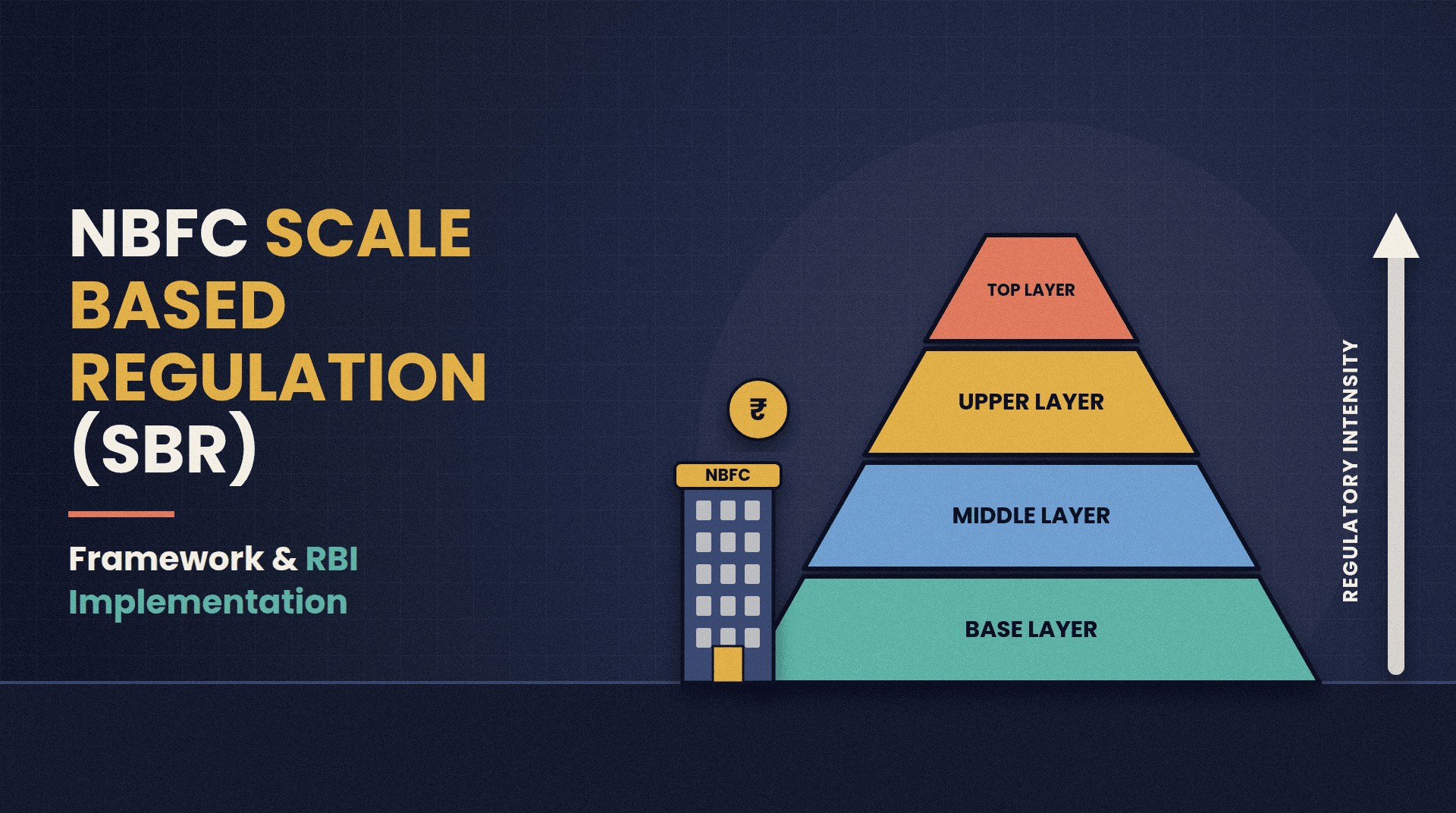
NBFC Scale Based Regulation (SBR) Framework RBI implementation
The objective was to make regulatory intensity broadly proportionate to the size, complexity and perceived risk of an NBFC.The framework became operational from 1 October 2022, while certain individual requirements had separate implementation timelines. The Upper Layer was designed for NBFCs considered to warrant enhanced regulatory requirements.

M&A – Competition Act Deal-Value Threshold Rules
This report is exploratory in nature. It traces the legislative and regulatory evolution of the 'deal-value threshold' (DVT) introduced into India's merger-control regime under Section 5(d) of the Competition Act, 2002, from its statutory origin in the Competition (Amendment) Act, 2023 through its operationalisation via Ministry of Corporate Affairs (MCA) rules .

Online Gaming - Promotion and Regulation of Online Gaming Act, 2025 (Act No. 32 of 2025)
the Promotion and Regulation of Online Gaming Rules, 2026. Enacted by the Parliament of India under the purview of the Ministry of Electronics and Information Technology (MeitY), this legislation marks a complete paradigm shift transitioning India from an era of fragmented, state-level anti-gambling statutes and contested judicial 'skill versus chance' jurisprudence into a unified, centralized, strict regulatory regime.
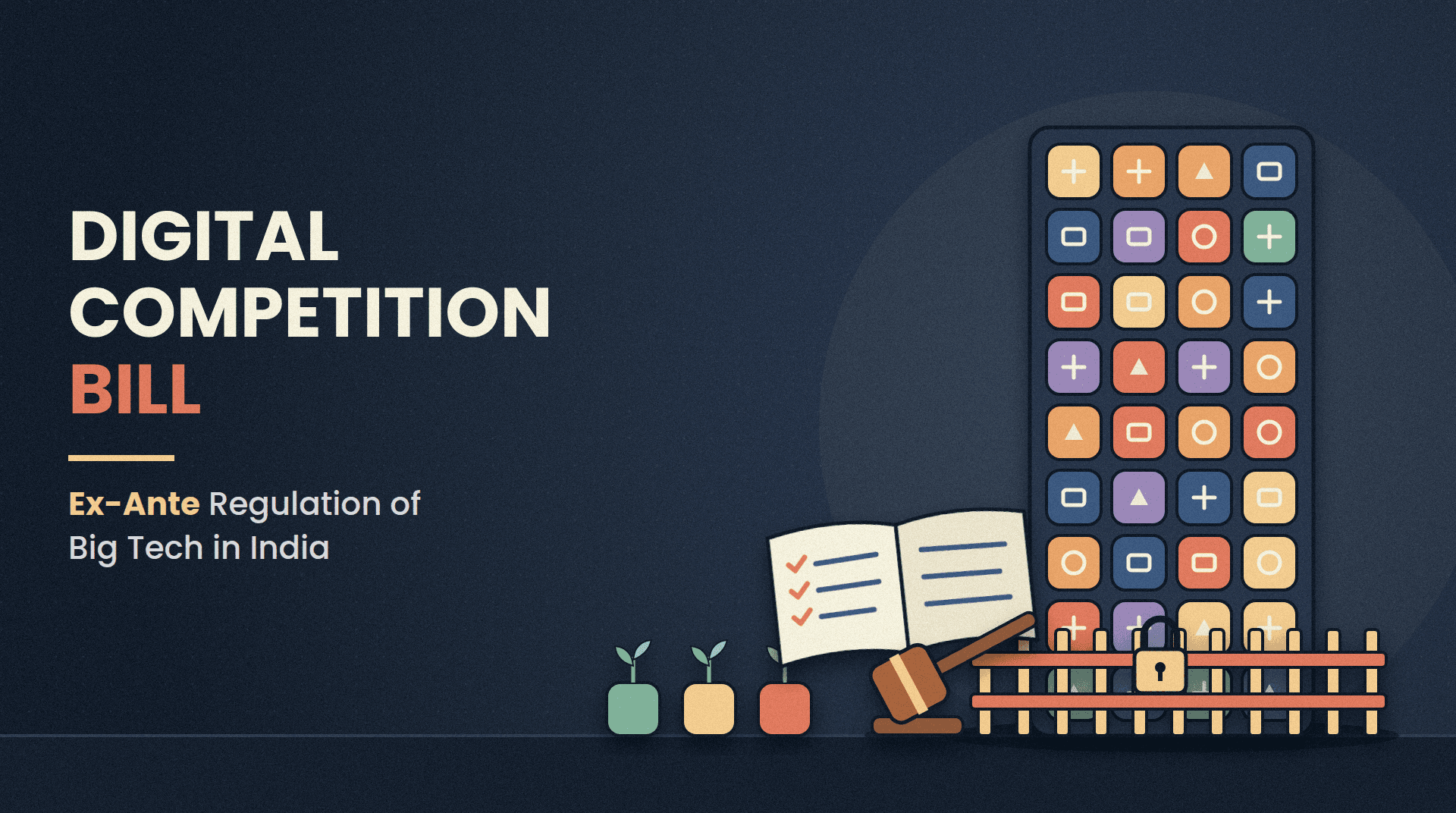
Digital Competition Bill: Ex-Ante Regulation of Big Tech in India
The Indian Digital Competition Bill (DCB) is a paradigm shift in regulation from ex-post to ex-ante regulation, regulating "Systemically Significant Digital Enterprises" (SSDEs), which offer core digital services. The regime adds to the existing Competition Act of 2002 (amended in 2023)1 by introducing pre-determined conduct rules for large digital platforms before any anti-competitive injury is done.
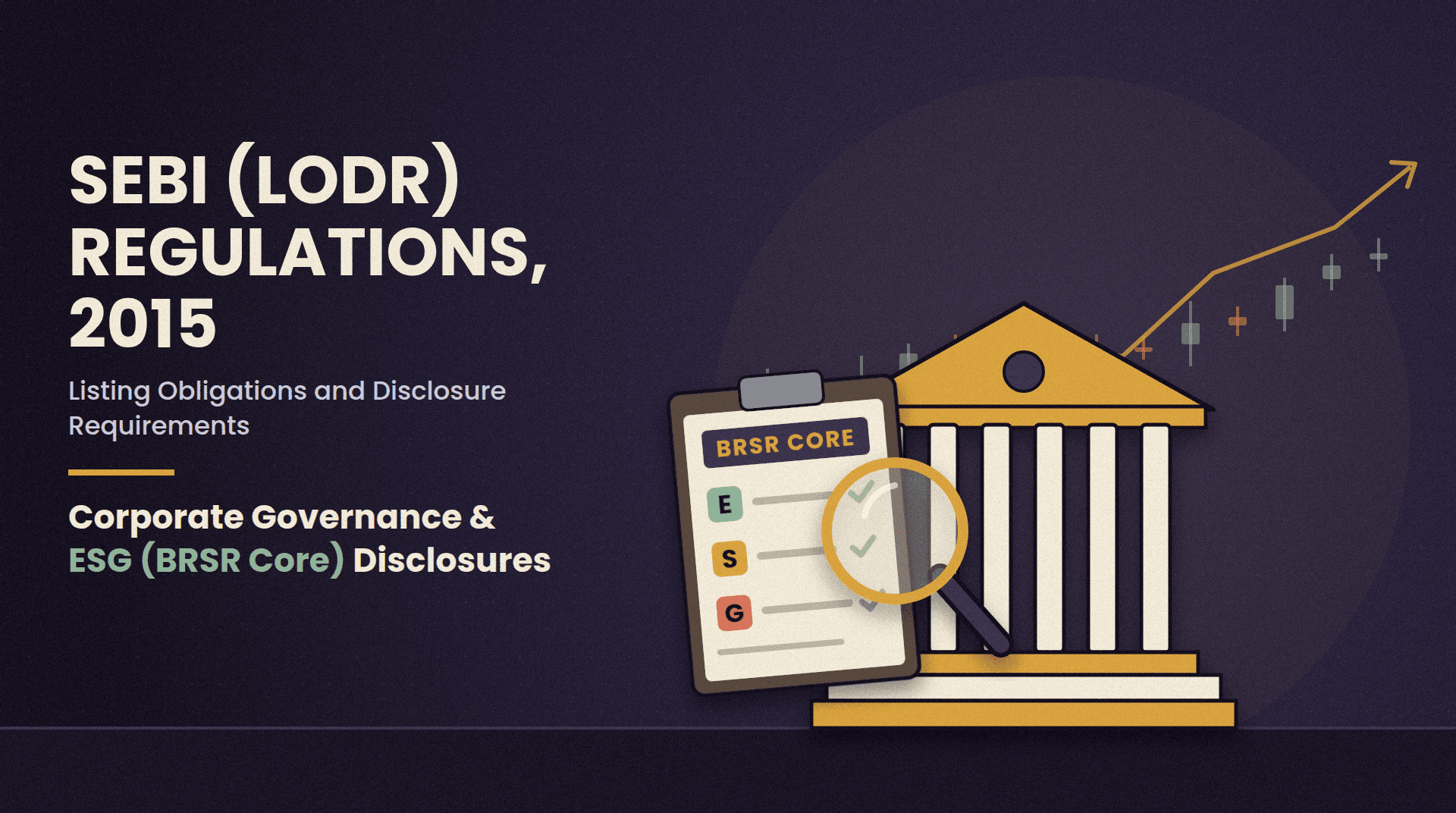
SEBI (Listing Obligations and Disclosure Requirements) Regulations, 2015 - Corporate Governance & ESG (BRSR Core) Disclosures
India's Securities and Exchange Board (SEBI) regulates India’s securities market in accordance with the Securities and Exchange Board of India Act, 1992 ('SEBI Act'). The SEBI (Listing Obligations and Disclosure Requirements) Regulations, 2015 ('LODR Regulations') are the key regulations SEBI uses to govern ongoing obligations of listed entities.
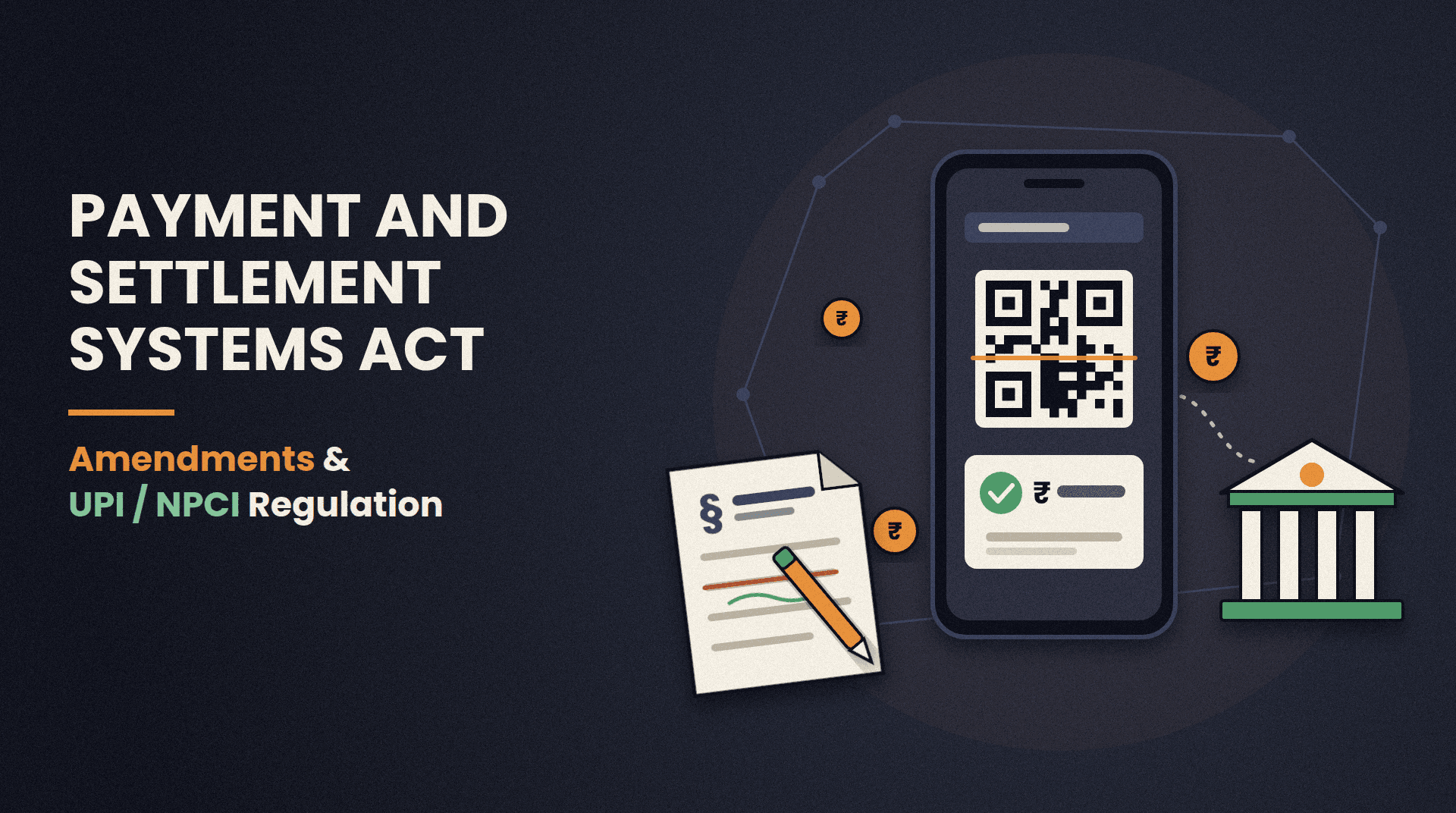
Payment and Settlement Systems Act – Amendments & UPI / NPCI Regulation
The Indian digital payments ecosystem has witnessed an evolutionary change over the last two decades, evolving from the conventional banking mechanisms into the highly technological one. Key to this transformation is the Payment and Settlement Systems Act, 2007 (PSS Act), which acts as the main legal framework for payment systems regulation and supervision in India.
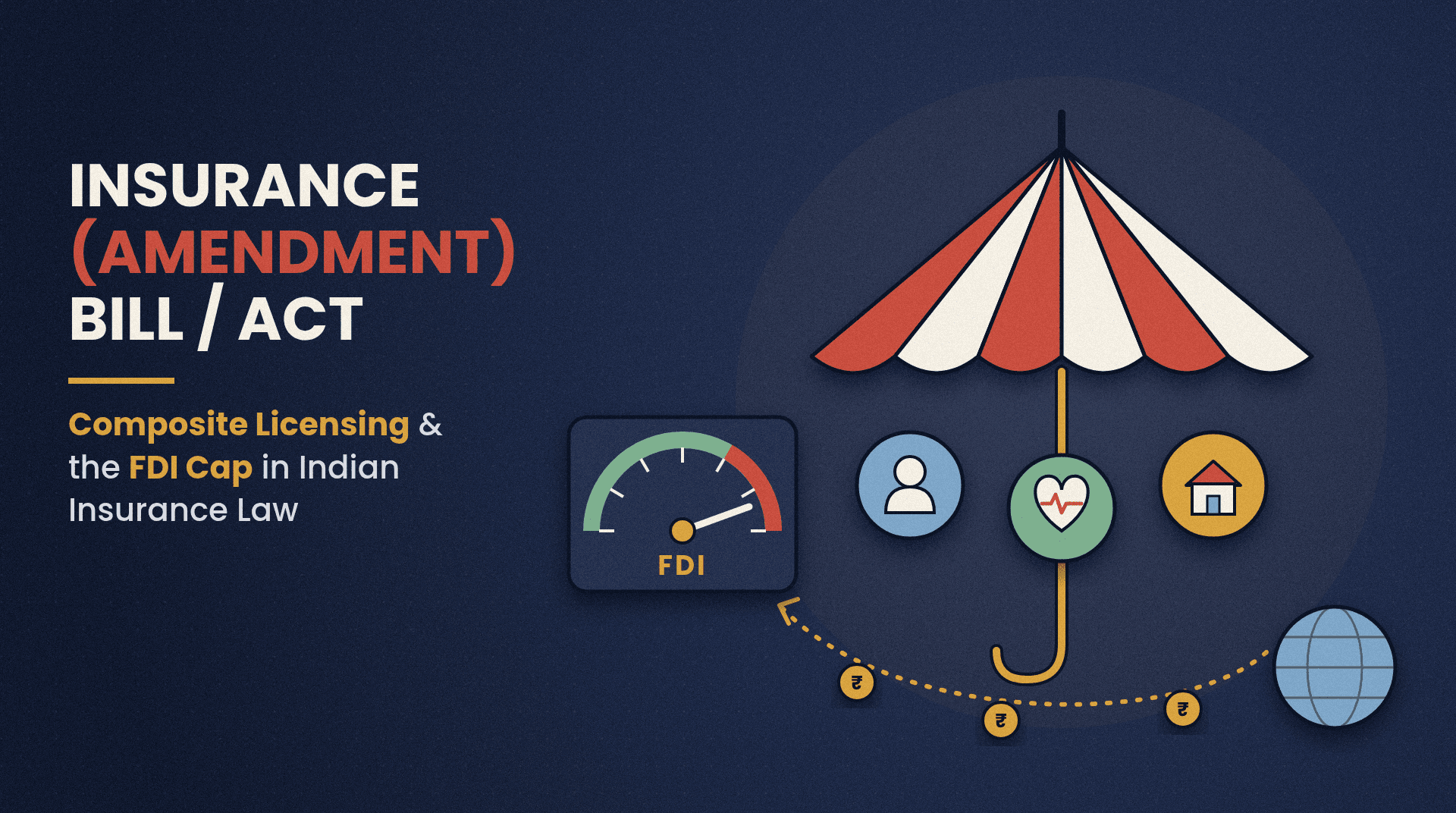
Tracking Report: Insurance (Amendment) Bill / Act Composite Licensing & the FDI Cap in Indian Insurance Law
This report traces the assigned provision from its origins in the 1994 Malhotra Committee liberalisation, through the pre 2022 baseline the 2022-2025 legislative process, the enactment of the Sabka Bima Sabki Raksha (Amendment of Insurance Laws) Act, 2025, its commencement on 5 February 2026, and developments up to September 2026.
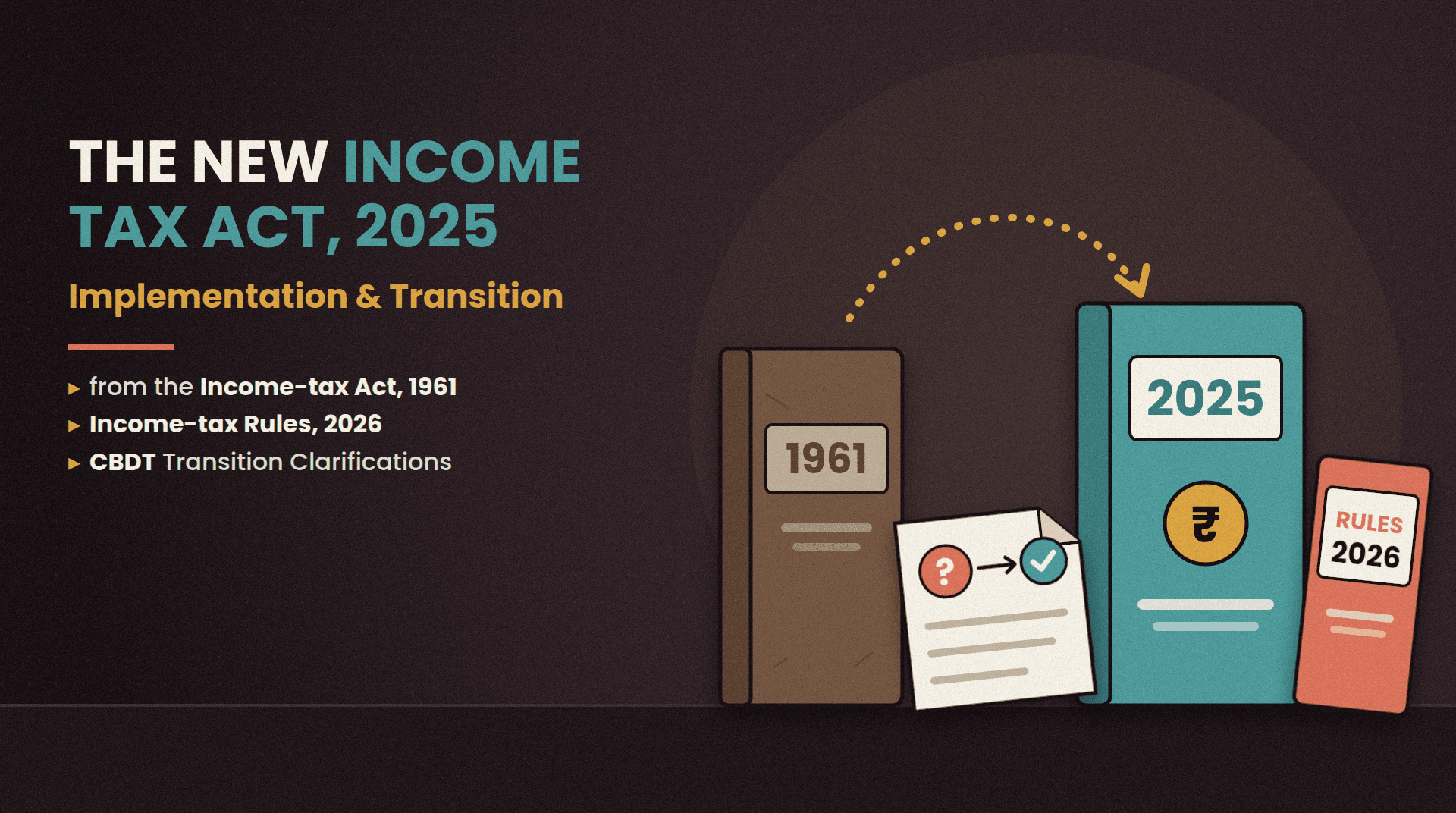
The New Income Tax Act, 2025 — Implementation & Transition from the Income-tax Act, 1961; Income-tax Rules, 2026; and CBDT Transition Clarifications
The overhaul in question is essentially one of structure without any substantive change in the rates, tax base, and other definitions, although there are changes with respect to numbering, draft structure, and a number of procedural mechanisms involved. This process is being handled through an elaborate statutory saving provision in Section 536, together with extensive guidance in the form of CBDT FAQs, among others.
RERA & Jan Vishwas Amendment, 2026
The Real Estate (Regulation and Development) Act, 2016 (RERA) is the first central legislation to directly regulate the promoter-allottee relationship in Indian real estate. Previous to this the Indian states have made efforts to regulate the relationship between the land and its ownership between the people but never specifically about this promoter and allottee relationship.
FEMA-1999, Overseas Investment Rules, 2022 & RBI Clarifications
Compliance is reporting-oriented. Transactions are routed through designated Authorised Dealer (AD) banks and the RBI’s Overseas Investment reporting system. Delayed reporting may attract a Late Submission Fee (LSF) under the OI Regulations and RBI Directions. The current RBI Master Direction provides the LSF framework and states that the LSF option is available up to three years from the date.